
Teenager’s Desperate Bid to Keep Hijacking Case in Children’s Court Fails as Prosecutors Warn of ‘Catastrophic Harms’ and Push for Adult Trial
- A Victorian teenager who allegedly tried to hijack a Jetstar flight with a shotgun, knives, and a fake bomb faces a potential jury trial in an adult court and a longer stint in custody.
- The 19-year-old’s case was deemed too serious for the Children’s Court, where the maximum penalty is four years in jail, due to the “high-risk aviation environment” and “catastrophic harms” posed to 173 passengers and six crew.
- Prosecutors argue the teenager was “clearly committed” to a political motivation, which remains under suppression order, and had researched airports and military plane shootings before the incident.
- The teenager’s defence team claims he was under “tremendous mental strain” and will plead not guilty, citing a mental impairment defence, but prosecutors say the maximum four-year jail term available in the Children’s Court is “manifestly inadequate”.
The Avalon Airport hijacking attempt, which saw a then-17-year-old cut through the airport fence and board a Jetstar flight armed with a shotgun, knives, and a fake bomb, has sent shockwaves through the community and raised serious concerns about aviation security.
The incident, which occurred in March last year, exposed 173 passengers and six crew to potentially catastrophic harm, and has led to a heated debate about the suitability of the Children’s Court to handle such a serious case.
Prosecutors argued that the teenager’s actions were not those of a typical juvenile offender, but rather a calculated and premeditated attempt to hijack a plane, which warrants a more severe penalty than the maximum four-year jail term available in the Children’s Court.
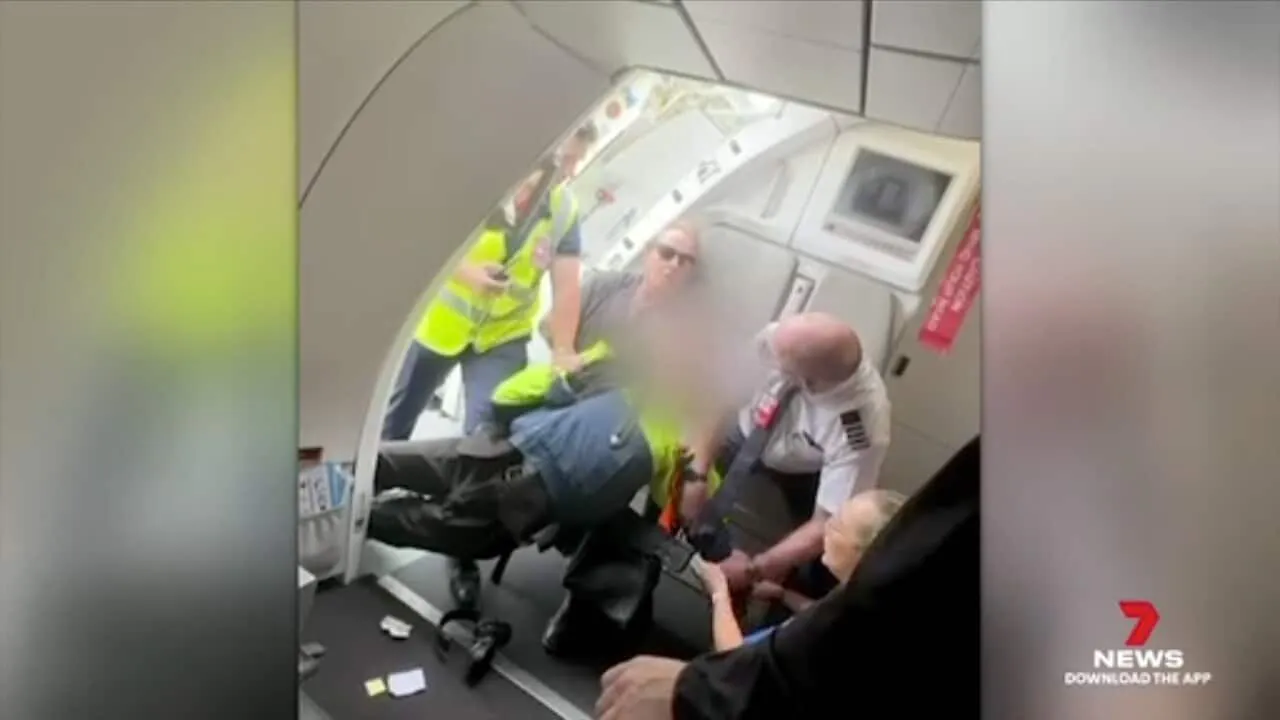
The court heard that the teenager had researched airports and military plane shootings before the incident, and that his actions were motivated by a political ideology, which remains under suppression order.
While the teenager’s defence team claims he was under “tremendous mental strain” and will plead not guilty, citing a mental impairment defence, prosecutors say the evidence suggests a more sinister intent.
“The [alleged] offending occurred in a high-risk aviation environment and exposed a substantial number of persons to catastrophic harms,” the magistrate said, highlighting the seriousness of the case.
The case has sparked concerns about the vulnerability of Australia’s aviation security and the potential for similar incidents in the future.
Security analysts say the incident highlights the need for increased security measures at airports, particularly in relation to perimeter fencing and access controls.
“This incident shows that our airports are not as secure as we think they are,” said one security expert.
“We need to take a closer look at our security protocols and make sure we’re doing everything we can to prevent similar incidents in the future.”
Analysis: What This Means for Australia
The Avalon Airport hijacking attempt has significant implications for Australia’s national security and aviation industry. The incident highlights the need for increased security measures at airports and raises concerns about the potential for similar incidents in the future.
The case also raises questions about the suitability of the Children’s Court to handle serious cases involving juveniles, and whether the maximum penalty of four years in jail is adequate for such crimes.
Law enforcement insiders warn that the incident could have had catastrophic consequences, and that the teenager’s actions were a serious threat to public safety.
Industry observers believe that the incident will lead to a review of aviation security protocols and increased investment in security measures, including perimeter fencing and access controls.
As the case progresses, it is likely to have significant implications for Australia’s justice system, aviation industry, and national security.