
Uterine Cancer: The Silent Killer Claiming Australian Lives as Incidence Doubles in 25 Years
- Australian women are dying from uterine cancer at an alarming rate, with the incidence doubling over the past 25 years.
- Up to 60 per cent of cases are potentially preventable with greater public awareness, prompt attention to symptoms, and better management of risk factors.
- The disease has a poor public profile, with up to nine in 10 women having no knowledge of uterine cancer, despite being the fastest-rising women’s cancer in Australia.
- Experts warn that obesity and diabetes are key drivers behind the growing rates, but genetics also play an independent role in endometrial cancer risk.
Simone Crerar’s life was cut short when she died from a rare type of uterine cancer, metastatic uterine leiomyosarcoma, at the age of 56.
Her brother Scott Crerar still struggles to come to terms with the sudden decline, which saw his sister go from complaining about abdominal pain to dying in her sleep within just nine weeks.
Ms Crerar’s case was marked by misdiagnosis and delayed treatment, with her symptoms repeatedly missed by medical professionals. Her stomach visibly swelled, she had no energy, and was barely eating, yet her condition was not escalated until it was too late.
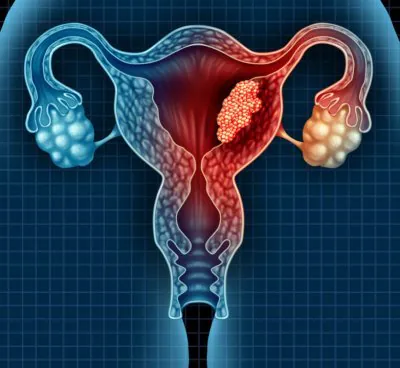
Uterine cancer is the fastest-rising women’s cancer in Australia, with the incidence doubling over the past 25 years. Despite this, it has a poor public profile, with up to nine in 10 women having no knowledge of the disease.
Experts say that many cases are preventable, but low public awareness about the risks and early warning signs can lead to delayed diagnosis and poorer outcomes.
According to Anthony Richards, a gynaecological oncologist at Joan Kirner Women’s and Children’s Hospital in Melbourne, obesity and diabetes are two key drivers behind the growing rates of uterine cancer.
Obesity leads to an increased production of “unopposed estrogen,” which drives the development of endometrial cancer. Elevated insulin and insulin resistance associated with type 2 diabetes also play a role in endometrial cancer development.
However, genetics also play an independent role in endometrial cancer risk, according to Tracy O’Mara, head of the cancer genetic susceptibility laboratory at QIMR Berghofer.
Her team has found that women with life-long higher levels of testosterone could be at greater risk of developing endometrial cancer, even if they have a healthy BMI.
Despite the growing incidence of uterine cancer, research funding for the disease remains low. Between 2003 and 2020, Australia spent about $18 million on uterine cancer research, compared to over $400 million for breast cancer over the same period.
This lack of funding contributes to the general lack of awareness about uterine cancer in Australia.
Analysis: What This Means for Australia
The growing incidence of uterine cancer in Australia has significant implications for women’s health and public awareness. With up to 60 per cent of cases potentially preventable, it is essential that women are aware of the warning signs and risk factors.
However, the disease’s poor public profile and lack of research funding hinder efforts to raise awareness and develop targeted treatments.
Experts warn that the increasing rates of uterine cancer are a wake-up call for Australian women to take control of their health. By understanding the risks and early warning signs, women can take steps to prevent the disease and seek medical attention if they notice anything unusual.
As Simone Crerar’s brothers hope, sharing their sister’s story can help spread awareness and break down any stigma and shame surrounding uterine cancer.
Security analysts say that the growing incidence of uterine cancer highlights the need for increased funding for women’s health research and public awareness campaigns.
Law enforcement insiders warn that the lack of awareness about uterine cancer can lead to delayed diagnosis and poorer outcomes, emphasizing the importance of education and early detection.
Industry observers believe that the development of targeted treatments for uterine cancer is crucial, particularly for younger women who want to preserve their fertility.
With the current first-line treatment being a hysterectomy, there is a need for more research into alternative treatments that can improve outcomes and quality of life for women with uterine cancer.