
‘I Hate Those Bastards’: Accused ISIS Bride’s Uncle Pleads for Her Freedom as He Denounces ‘Evil’ Terror Group
- Australian woman Zeinab Ahmad, 31, is accused of using a teenage girl as a slave in Syria in 2017
- Her uncle Abraham Abbas has testified in court, denouncing ISIS as ‘evil’ and offering a $75,000 surety for her bail
- Prosecutors argue Ahmad’s beliefs remain unknown, posing a risk to the community, despite her consent to a control order
- The case has raised questions about Australia’s handling of returning ISIS brides and the risk they pose to national security
The uncle of accused ISIS bride Zeinab Ahmad has delivered a scathing denunciation of the terrorist group, telling a Melbourne court he ‘hates those bastards’ as he pleaded for his niece’s freedom.
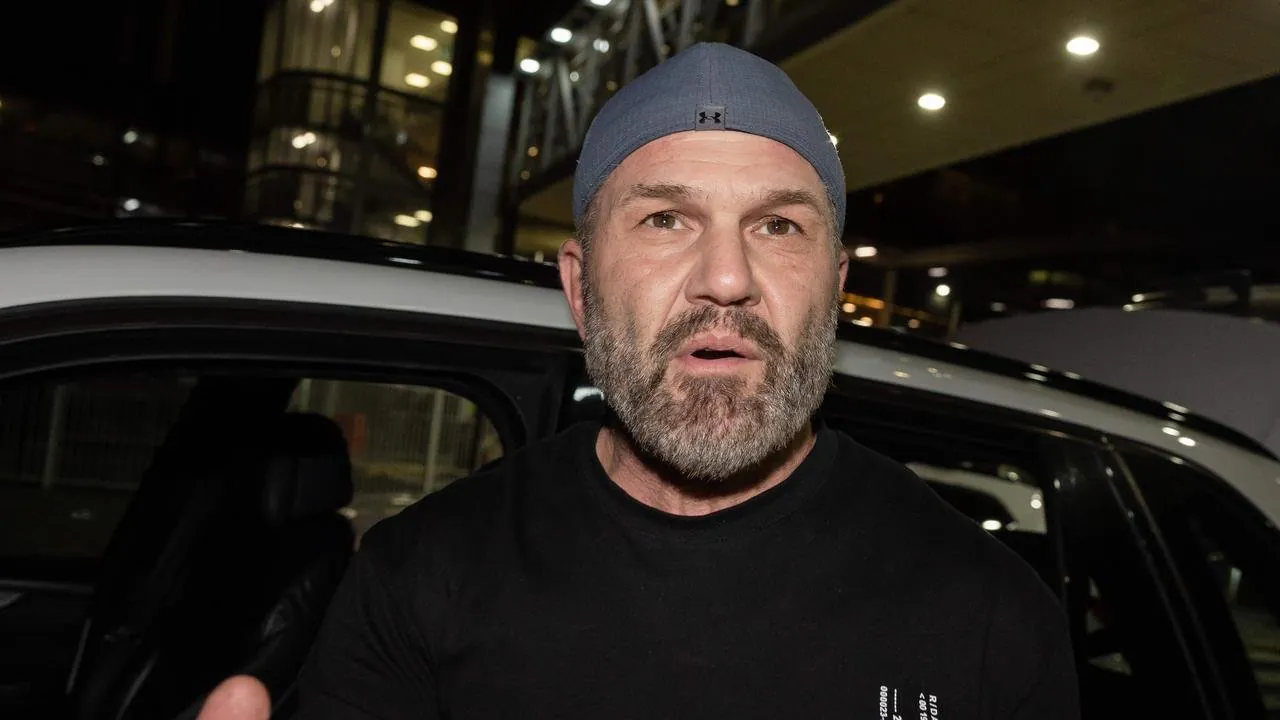
Abraham Abbas took the stand on Friday to support Ahmad’s bid for bail, offering a $75,000 surety and promising to take her in if she is released.
Ahmad, 31, is accused of using a teenage girl as a slave while living in Syria with her family in 2017.
Her husband, Dawod, was killed in a drone strike in May 2016, and Ahmad was among a group of alleged ‘ISIS brides’ and their children who returned to Australia in May.
She was arrested at Melbourne Airport and charged with offences of enslavement and using a slave.
The court heard that Ahmad’s father, Mohammad, allegedly bought the teenage girl as a slave for $US10,000 and repeatedly raped and beat her. The girl claimed she screamed loudly during the incidents, which Ahmad and other family members would have known about.
While Ahmad is not alleged to have assaulted the girl, the teenager claimed she was ‘treated very badly’ by her.
Ahmad’s lawyer, Grace Morgan, argued that her client posed no risk to the community, citing her consent to a control order that would allow federal police to monitor her through electronic monitoring.
However, Victoria Police Detective Sergeant Matthew Archer told the court that such an order was not possible for someone who had been charged and was before the courts.
Detective Senior Constable Marc Clendenning opposed bail, citing concerns about Ahmad’s unknown beliefs and the risk she posed to the community. However, he expressed no concerns about Abbas or the suggested bail address.
The application was adjourned to June 15, where another police witness is expected to give evidence before the parties make submissions.
Analysis: What This Means for Australia
The case raises serious questions about Australia’s handling of returning ISIS brides and the risk they pose to national security. While Ahmad’s uncle has denounced ISIS, prosecutors argue that her beliefs remain unknown, posing a risk to the community.
This highlights the challenges faced by law enforcement agencies in assessing the risk posed by individuals who have been involved with terrorist groups.
Security analysts say that the case underscores the need for a more nuanced approach to dealing with returning ISIS brides, one that takes into account the complexities of their experiences and the potential risks they pose.
‘It’s not just about locking them up or letting them go,’ one analyst said. ‘It’s about understanding the underlying issues and developing strategies to mitigate the risks they pose to the community.’
Law enforcement insiders warn that the case also highlights the need for greater resources and support for agencies dealing with the complex issue of counter-terrorism.
‘We need to be able to assess the risks posed by individuals like Ahmad and develop strategies to manage those risks,’ one insider said. ‘That requires significant resources and support, which is not always available.’
As the case continues, it remains to be seen whether Ahmad will be granted bail and what implications this will have for Australia’s approach to dealing with returning ISIS brides.
One thing is clear, however: the case has sparked a critical conversation about the challenges posed by terrorism and the need for a more nuanced approach to addressing them.