
Chinese Scammers Rake In Millions from Aussie Victims: The Frightening Rise of Authority Impersonation
- Australian authorities warn of a sophisticated scam targeting the Chinese community, with losses of over $12 million in 2025
- Victims are being impersonated by fake Chinese law enforcement, leaving them in a state of “deep panic and despair”
- Experts say the scam is “industrialised” and scammers are investing time and money in grooming their victims
- Australian banks are under fire for not doing enough to prevent the scam, with one victim losing nearly $140,000
It was a typical evening in a small Australian town when Justin, a man in his mid-30s, received a phone call that would change his life forever.
On the other end was a person claiming to be from the Australian Consulate-General’s legal department in Hong Kong, speaking in Mandarin.
The caller told Justin that his phone number was linked to a series of fraudulent messages sent to Hong Kong residents about job opportunities and immigration to Australia.
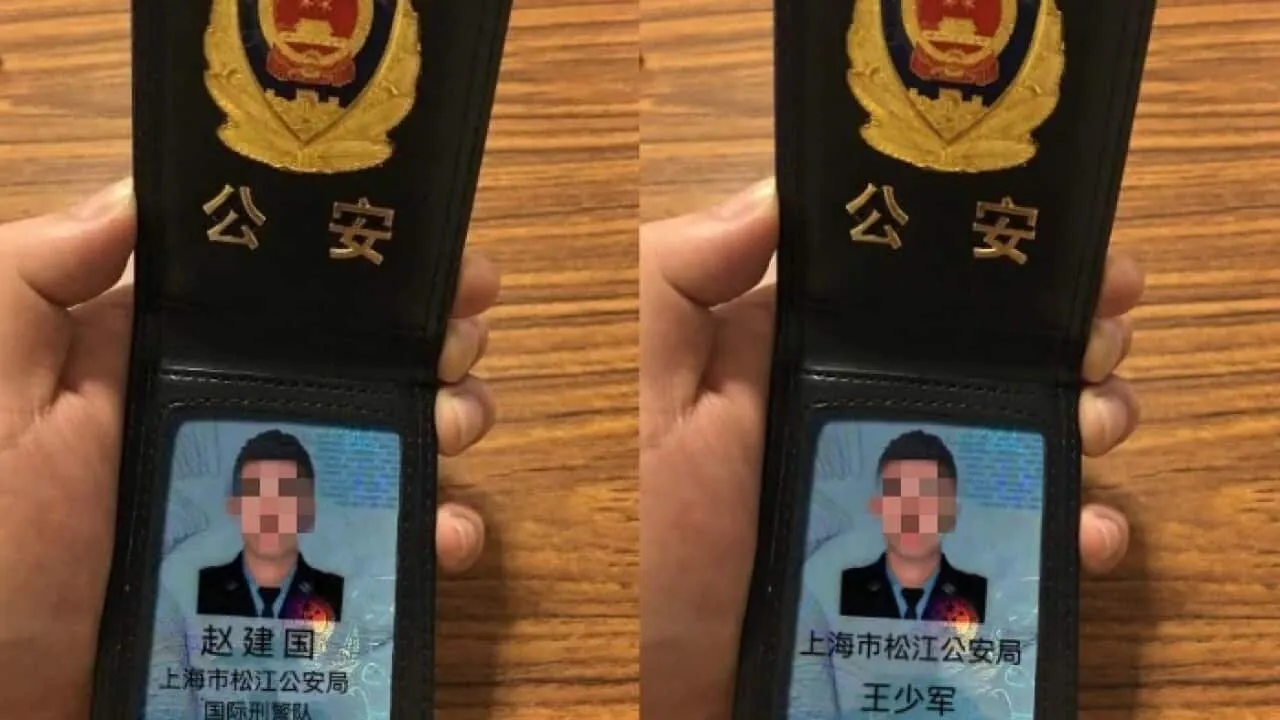
Justin was sceptical, but the caller seemed convincing, and he was transferred to what he believed was the Shanghai Police.
The policeman on the other end told Justin that he needed to make a statement via Microsoft Teams and that his name had been flagged as being linked to another crime.
The fake police knew intimate details of Justin’s life, including where his parents worked and his transactions from his Chinese bank. They showed him legal documents, including a warrant with his face on it, citing Australian agencies such as ASIO and the AFP.
Justin was told that he would be monitored 24 hours a day and that he needed to report to the scammers every three hours. Over seven days, he made multiple transactions totalling nearly $140,000, believing it was part of the investigation.
But Justin soon realised it was all a scam. He reported it to the police and his bank, Westpac, which was able to retrieve $30,000.
The bank, however, said it had not found any evidence of bank error or failure to act with due care and skill that directly contributed to Justin’s loss.
This is just one of many cases of authority impersonation scams targeting the Chinese community in Australia.
According to the Australian Consumer and Competition Commission (ACCC), more than $12 million was lost to these scams in 2025, with 1,294 reports received through Scamwatch.
The median loss for Chinese authority scams was a staggering $55,000, compared to $750 for culturally and linguistically diverse (CALD) consumers.
Analysis: What This Means for AustraliaThe rise of authority impersonation scams is a worrying trend for Australia, with experts warning that international criminals are accessing the Australian banking system.
The scam is “industrialised”, with scammers investing time and money in grooming their victims. The Australian government has set up the Scam Prevention Framework, but it is yet to come into force.
Meanwhile, banks are under fire for not doing enough to prevent the scam.
Security analysts say that the sophistication of these scams is increasing, with scammers using fear of deportation or reprisal to defraud victims of huge sums of money.
Law enforcement insiders warn that the scam is difficult to detect, as scammers are using convincing methods and documentation to mimic real law enforcement agencies.
Industry observers believe that the scam is a result of a lack of transparency in the Chinese policing system, which can lead to confusion and mistrust among overseas Chinese communities.
The scam can also have severe consequences, with victims facing the death penalty in China if they are found guilty of the alleged crimes. The Australian government needs to take urgent action to prevent these scams and protect its citizens.
This includes implementing the Scam Prevention Framework and increasing awareness about the scam among the Chinese community. Banks also need to do more to prevent the scam, including verifying transactions and providing better support to victims.
Experts say that the key to preventing these scams is education and awareness. Victims need to be aware of the scam and know how to report it.
The Australian government and banks need to work together to provide better support to victims and prevent the scam from happening in the first place.
In the words of Justin, “The more we talk about it, the less likely that we’ll be in the scam because we know what could happen.”
It was a typical evening in a small Australian town when Justin, a man in his mid-30s, received a phone call that would change his life forever. On the other end was a person claiming to be from the Australian Consulate-General’s legal department in Hong Kong, speaking in Mandarin. The caller told Justin that his phone number was linked to a series of fraudulent messages sent to Hong Kong residents about job opportunities and immigration to Australia. Justin was sceptical, but the caller seemed convincing, and he was transferred to what he believed was the Shanghai Police.
The policeman on the other end told Justin that he needed to make a statement via Microsoft Teams and that his name had been flagged as being linked to another crime. The fake police knew intimate details of Justin’s life, including where his parents worked and his transactions from his Chinese bank. They showed him legal documents, including a warrant with his face on it, citing Australian agencies such as ASIO and the AFP. Justin was told that he would be monitored 24 hours a day and that he needed to report to the scammers every three hours. Over seven days, he made multiple transactions totalling nearly $140,000, believing it was part of the investigation.
But Justin soon realised it was all a scam. He reported it to the police and his bank, Westpac, which was able to retrieve $30,000. The bank, however, said it had not found any evidence of bank error or failure to act with due care and skill that directly contributed to Justin’s loss.
This is just one of many cases of authority impersonation scams targeting the Chinese community in Australia. According to the Australian Consumer and Competition Commission (ACCC), more than $12 million was lost to these scams in 2025, with 1,294 reports received through Scamwatch. The median loss for Chinese authority scams was a staggering $55,000, compared to $750 for culturally and linguistically diverse (CALD) consumers.
The rise of authority impersonation scams is a worrying trend for Australia, with experts warning that international criminals are accessing the Australian banking system. The scam is “industrialised”, with scammers investing time and money in grooming their victims. The Australian government has set up the Scam Prevention Framework, but it is yet to come into force. Meanwhile, banks are under fire for not doing enough to prevent the scam.
Security analysts say that the sophistication of these scams is increasing, with scammers using fear of deportation or reprisal to defraud victims of huge sums of money. Law enforcement insiders warn that the scam is difficult to detect, as scammers are using convincing methods and documentation to mimic real law enforcement agencies.
Industry observers believe that the scam is a result of a lack of transparency in the Chinese policing system, which can lead to confusion and mistrust among overseas Chinese communities. The scam can also have severe consequences, with victims facing the death penalty in China if they are found guilty of the alleged crimes.
The Australian government needs to take urgent action to prevent these scams and protect its citizens. This includes implementing the Scam Prevention Framework and increasing awareness about the scam among the Chinese community. Banks also need to do more to prevent the scam, including verifying transactions and providing better support to victims.
Experts say that the key to preventing these scams is education and awareness. Victims need to be aware of the scam and know how to report it. The Australian government and banks need to work together to provide better support to victims and prevent the scam from happening in the first place.
In the words of Justin, “The more we talk about it, the less likely that we’ll be in the scam because we know what could happen.”