
Measles Time Bomb: Australian Communities at Risk as Vaccination Rates Plummet and Deadly Complications Emerge
- A Australian mother’s heartbreaking warning after her 11-year-old daughter dies from a rare measles complication, years after initial infection.
- Measles vaccination rates are plummeting in Australia, with the country recording its lowest coverage in a decade.
- Experts warn of a “perfect storm” as vaccine hesitancy and misinformation fuel the outbreak, with serious consequences for public health.
- The World Health Organization has stripped the UK of its “measles-free” status, and Australia is at risk of following suit.
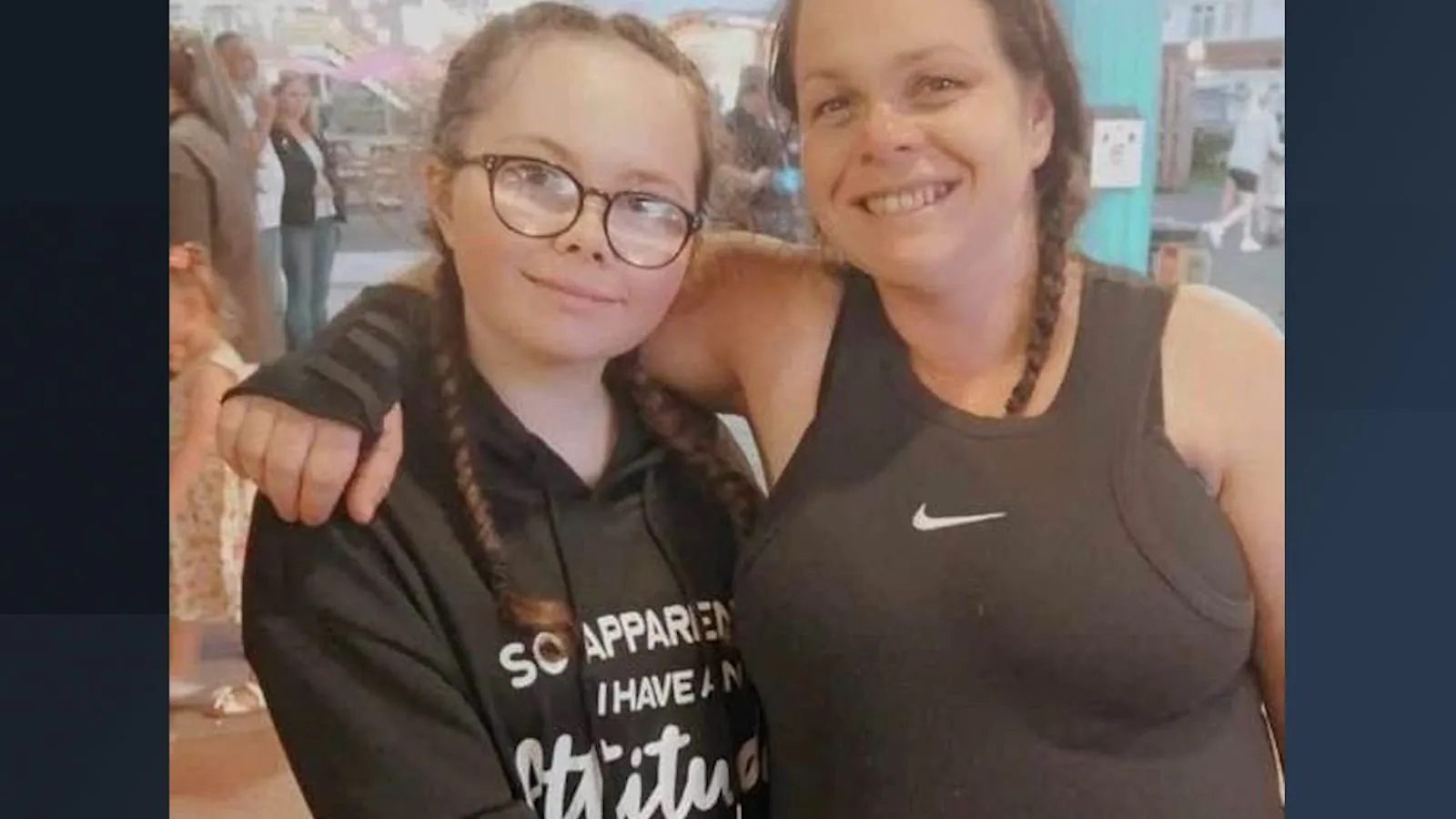
The devastating story of Renae Walker, who died at the age of 11 from a rare measles complication, is a stark reminder of the dangers of vaccine hesitancy.
Her mother, Rebecca Archer, is now on a mission to warn other parents of the potential life-threatening consequences of not vaccinating their children. Renae’s death was a shock to her family, who had thought she had fully recovered from measles as a baby.
However, the virus had silently replicated in her brain, leading to a fatal condition called subacute sclerosing panencephalitis (SSPE). Renae’s case is not an isolated one.
Measles vaccination rates are plummeting in Australia, with the country recording its lowest coverage in a decade.
According to the Australian Immunisation Register (AIR), under-vaccination hotspots have been identified in northern NSW, the Gold Coast, and parts of WA, with pockets in Melbourne and Sydney.
This is a serious concern for public health experts, who warn that the decline in vaccination rates is a “perfect storm” that could lead to a major outbreak.
Professor Margie Danchin, from Melbourne’s Royal Children’s Hospital, says that the same trend is playing out in Australia as in the UK and the US. “We don’t want to see a death of a child or adult in Australia like we’ve seen in the US,” she said.
The federal government’s AIR shows that vaccination rates are down for many diseases, including measles, whooping cough, and flu. This is a worrying trend, given the highly contagious nature of these diseases.
The World Health Organization (WHO) has taken away the UK’s “elimination status” for measles, which means the virus is now spreading locally. Australia is at risk of following suit, with the WHO monitoring the situation closely.
The consequences of a major measles outbreak would be severe, with one in five children hospitalized, one in 20 developing pneumonia, and one in 10 experiencing permanent hearing loss.
So, what’s driving the decline in vaccination rates? According to experts, it’s a complex issue, but access to health services and information about immunization are key factors.
Professor Danchin says that parents are being misled by misinformation about vaccine safety, and are also struggling to access vaccination services due to cost and appointment availability.
This is a worrying trend, given the decades of work that have gone into eliminating measles in Australia.
Analysis: What This Means for AustraliaThe decline in measles vaccination rates in Australia is a serious concern for public health experts.
The consequences of a major outbreak would be severe, with significant implications for national security, law enforcement, and community safety. The federal government must take immediate action to address the issue, including increasing funding for public health campaigns and improving access to vaccination services.
Security analysts say that the decline in vaccination rates is a “perfect storm” that could lead to a major outbreak. Law enforcement insiders warn that the consequences of such an outbreak would be severe, with significant implications for community safety.
Industry observers believe that the decline in vaccination rates is a symptom of a broader issue – a lack of trust in the information provided by health professionals and a lack of access to vaccination services.
Rebecca Archer’s story is a heartbreaking reminder of the dangers of vaccine hesitancy. Her daughter’s death is a tragedy that could have been prevented with vaccination.
As she says, “I’m just angry, really, and sad that parents don’t understand they’re putting their children in a potential life-threatening situation.” It’s a warning that Australia cannot afford to ignore.
The devastating story of Renae Walker, who died at the age of 11 from a rare measles complication, is a stark reminder of the dangers of vaccine hesitancy. Her mother, Rebecca Archer, is now on a mission to warn other parents of the potential life-threatening consequences of not vaccinating their children. Renae’s death was a shock to her family, who had thought she had fully recovered from measles as a baby. However, the virus had silently replicated in her brain, leading to a fatal condition called subacute sclerosing panencephalitis (SSPE).
Renae’s case is not an isolated one. Measles vaccination rates are plummeting in Australia, with the country recording its lowest coverage in a decade. According to the Australian Immunisation Register (AIR), under-vaccination hotspots have been identified in northern NSW, the Gold Coast, and parts of WA, with pockets in Melbourne and Sydney. This is a serious concern for public health experts, who warn that the decline in vaccination rates is a “perfect storm” that could lead to a major outbreak.
Professor Margie Danchin, from Melbourne’s Royal Children’s Hospital, says that the same trend is playing out in Australia as in the UK and the US. “We don’t want to see a death of a child or adult in Australia like we’ve seen in the US,” she said. The federal government’s AIR shows that vaccination rates are down for many diseases, including measles, whooping cough, and flu. This is a worrying trend, given the highly contagious nature of these diseases.
The World Health Organization (WHO) has taken away the UK’s “elimination status” for measles, which means the virus is now spreading locally. Australia is at risk of following suit, with the WHO monitoring the situation closely. The consequences of a major measles outbreak would be severe, with one in five children hospitalized, one in 20 developing pneumonia, and one in 10 experiencing permanent hearing loss.
So, what’s driving the decline in vaccination rates? According to experts, it’s a complex issue, but access to health services and information about immunization are key factors. Professor Danchin says that parents are being misled by misinformation about vaccine safety, and are also struggling to access vaccination services due to cost and appointment availability. This is a worrying trend, given the decades of work that have gone into eliminating measles in Australia.
The decline in measles vaccination rates in Australia is a serious concern for public health experts. The consequences of a major outbreak would be severe, with significant implications for national security, law enforcement, and community safety. The federal government must take immediate action to address the issue, including increasing funding for public health campaigns and improving access to vaccination services.
Security analysts say that the decline in vaccination rates is a “perfect storm” that could lead to a major outbreak. Law enforcement insiders warn that the consequences of such an outbreak would be severe, with significant implications for community safety. Industry observers believe that the decline in vaccination rates is a symptom of a broader issue – a lack of trust in the information provided by health professionals and a lack of access to vaccination services.
Rebecca Archer’s story is a heartbreaking reminder of the dangers of vaccine hesitancy. Her daughter’s death is a tragedy that could have been prevented with vaccination. As she says, “I’m just angry, really, and sad that parents don’t understand they’re putting their children in a potential life-threatening situation.” It’s a warning that Australia cannot afford to ignore.