
‘Mercy Killing’ or Murder? Wife’s Bail Granted After 14 Months in Custody Over Terminally Ill Husband’s Death
- Kylie Truswell-Mobbs, 50, accused of murdering her husband David Mobbs with a ‘cocktail’ of medications, has been granted bail after 14 months in custody.
- Truswell-Mobbs claims her husband, who had motor neurone disease, wanted to die and had asked her to end his suffering.
- New evidence, including testimony from the couple’s son, has raised doubts about the prosecution’s case, leading to the bail grant.
- The case raises complex questions about euthanasia, mercy killing, and the rights of the terminally ill.
The decision to grant bail to Kylie Truswell-Mobbs, accused of murdering her terminally ill husband, has sparked a national debate about the complex and emotionally charged issues surrounding euthanasia and mercy killing.
Truswell-Mobbs, 50, had been in custody for 14 months, accused of administering a “cocktail” of medications to her husband David Mobbs, who died in December 2023.
The 56-year-old had been bedridden and unable to speak due to an aggressive form of motor neurone disease.
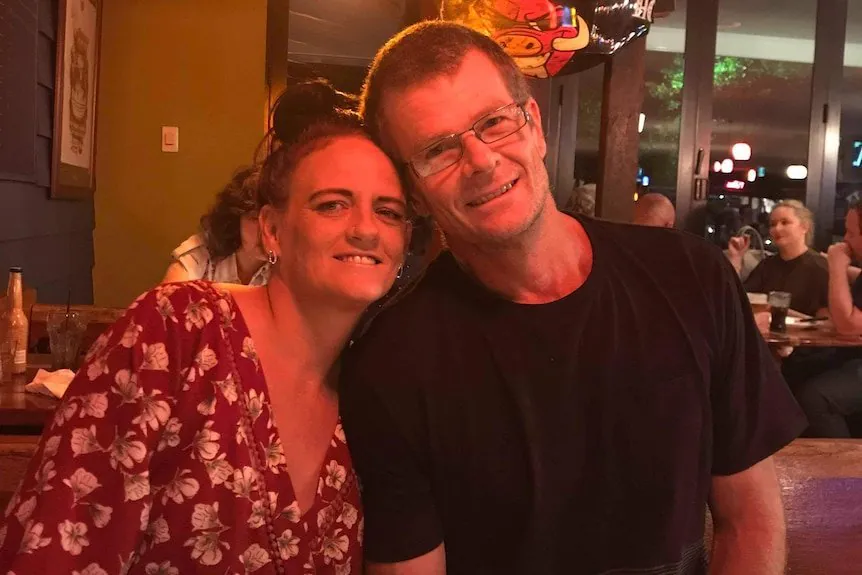
Truswell-Mobbs has always maintained that her husband wanted to die, and that she was simply carrying out his wishes. She told police that she had administered the medications through his feeding tube on December 5, 2023.
Her husband passed away in the early hours of the next day. Despite her claims, Truswell-Mobbs was charged with murder in April 2025 and had her original bail application refused.
However, during her committal hearing in February this year, the court heard from multiple witnesses, including her son Rylee Relja, who confirmed that his stepfather had indeed wanted to die.
This new evidence has raised doubts about the prosecution’s case, leading Justice Paul Smith to grant Truswell-Mobbs bail.
The judge stated that there was now a better chance that Truswell-Mobbs would either be acquitted or found guilty of the lesser charges of manslaughter or aiding a suicide.
The case has sparked a national conversation about the rights of the terminally ill and the role of loved ones in ending their suffering. While some have hailed Truswell-Mobbs as a hero for carrying out her husband’s wishes, others have condemned her actions as murder.
The issue is complex and multifaceted, with no easy answers. As the case continues to unfold, Australians will be forced to confront the difficult questions surrounding euthanasia and mercy killing.
Analysis: What This Means for Australia
The Truswell-Mobbs case has significant implications for Australia’s laws and attitudes towards euthanasia and mercy killing.
As the population ages and more people are diagnosed with terminal illnesses, the demand for greater autonomy and control over end-of-life care is likely to grow.
The case highlights the need for a nuanced and compassionate approach to these complex issues, one that balances the rights of the individual with the need to protect vulnerable members of society.
Law enforcement insiders warn that the case may set a precedent for future cases, and that it is essential to establish clear guidelines and protocols for dealing with mercy killing and euthanasia.
“We need to have a clear and consistent approach to these cases, one that takes into account the complexities of each individual situation,” said one expert.
Security analysts say that the case also raises concerns about the potential for exploitation and abuse, particularly in cases where vulnerable individuals may be coerced or manipulated into ending their lives.
“We need to ensure that our laws and systems are in place to protect those who are most vulnerable, while also respecting the autonomy of individuals who wish to make informed choices about their own end-of-life care,” said another expert.
As the Truswell-Mobbs case continues to unfold, Australians will be watching closely to see how the justice system navigates these complex and emotionally charged issues.
One thing is certain: the case will have far-reaching implications for our laws, our attitudes, and our approach to end-of-life care.