Australia’s Iran War Dilemma: As Conflict Escalates, Albanese’s Frustration Boils Over
- Prime Minister Anthony Albanese’s hopes for a high-profile World Cup diplomacy trip to the US have been dashed, but it may be a blessing in disguise as the Iran conflict takes a darker turn.
- Australia’s economy is feeling the pinch of the war, with oil prices skyrocketing and the government facing a nearly $3 billion bill to extend fuel excise cuts.
- As the conflict drags on, Albanese’s initial support has turned to irritation and scepticism, with the PM warning of the economic impact and questioning the US President’s claims of an imminent peace deal.
- The government is also facing a growing threat from One Nation, which is capitalizing on cost-of-living pain and voter frustration to surge in popularity.
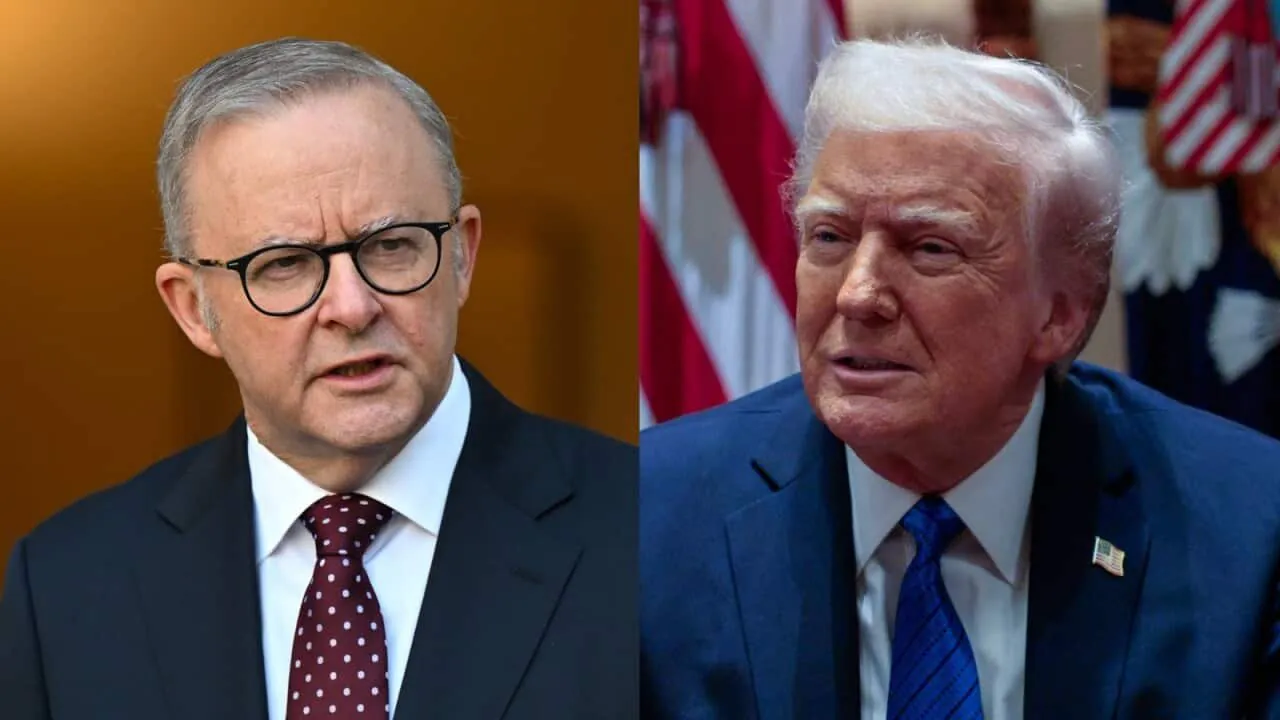
Australia’s Prime Minister Anthony Albanese had been hoping to use the World Cup as an opportunity for some informal diplomacy with US President Donald Trump. But with the conflict in Iran escalating and no invitation forthcoming, it seems that won’t be happening.
And it may be a blessing in disguise for the PM, who is growing increasingly frustrated with the situation.
The war, which is now in its third month, has seen a significant escalation in recent days.
A US Apache helicopter was brought down over the Strait of Hormuz, prompting US strikes against Iranian air defence, ground control stations, and surveillance radar sites.
Iran retaliated with strikes against US bases in Bahrain and Jordan. The situation is looking increasingly dire, with no end in sight.



Albanese has expressed his concerns about the economic impact of the war, warning that the constant declarations of an imminent peace deal from the US President are creating uncertainty and volatility in the markets.
“Economic markets respond to these news statements,” he said, pointing to the wild swings in oil prices and other stocks each time the President points to a breakthrough.
The PM’s frustration is understandable, given the significant economic implications for Australia. The government is facing a nearly $3 billion bill to extend fuel excise cuts, which are set to expire at the end of the month.
If they are not extended, motorists will face a significant price jump, which could lead to another round of panic buying.
The conflict is also having a broader impact on the economy, with oil prices skyrocketing and inflation remaining elevated. This is a major headache for the government, which is facing a growing threat from One Nation.
The party is capitalizing on cost-of-living pain and voter frustration to surge in popularity, with the latest polls showing a significant increase in support.
Albanese has acknowledged the threat, saying that “it’s the economy, stupid.” But it remains to be seen whether the government can stem the tide of support for One Nation, which is being fueled by the growing cost-of-living crisis.
Analysis: What This Means for Australia
The conflict in Iran has significant implications for Australia’s national security, with the country’s economy and politics being majorly impacted. The government’s decision to extend fuel excise cuts will have a significant impact on the budget, adding to the pile of war-related expenses.
The Reserve Bank is also facing a challenge in bringing down inflation, which remains elevated due to the conflict.
Security analysts say that the situation in Iran is a major concern for Australia, with the country’s proximity to the Middle East making it vulnerable to any escalation.
“The conflict has the potential to spill over into the region, which would have significant implications for Australia’s national security,” one analyst said.
Law enforcement insiders warn that the conflict is also having an impact on Australia’s border control, with the country facing a growing threat from people smugglers who are taking advantage of the chaos.
“The conflict is creating a perfect storm for people smugglers, who are using the situation to their advantage,” one insider said.
Industry observers believe that the conflict will have a long-term impact on Australia’s economy, with the country facing a significant challenge in bringing down inflation and stimulating growth.
“The conflict is a major headwind for the economy, and it will take some time to recover,” one observer said.
The conflict in Iran is a complex and multifaceted issue, with significant implications for Australia’s national security, economy, and politics.
As the situation continues to escalate, it remains to be seen how the government will respond and what the long-term implications will be for the country.