
Australian Government’s $50m Gamble on Elon Musk’s Starlink: The Hidden Dangers of Relying on a Foreign-Owned Satellite Network
- Australians are lining up to buy shares in Elon Musk’s SpaceX, but government officials are secretly warning of the risks of relying on the foreign-owned Starlink satellite network.
- With over 200,000 Australian customers and major telcos partnering with SpaceX, the country’s dependence on Starlink raises concerns about national security, sovereignty, and the protection of critical infrastructure.
- Documents obtained under freedom of information laws reveal the government’s internal concerns about the offshore nature of Starlink and the lack of direct control over the network.
- As SpaceX prepares to go public on June 12, the Australian government must navigate the complex regulatory landscape and weigh the risks of relying on a privately owned, foreign satellite network controlled by the world’s richest man.
The Australian government’s decision to award over $50 million in contracts to Elon Musk’s SpaceX for the use of its Starlink satellite network has raised concerns about the country’s reliance on a foreign-owned provider.
With over 200,000 Australian customers and major telcos such as Telstra and Optus partnering with SpaceX, the government’s gamble on Starlink has sparked warnings from officials about the risks to national security, sovereignty, and the protection of critical infrastructure.
Documents obtained under freedom of information laws reveal the government’s internal concerns about the offshore nature of Starlink and the lack of direct control over the network.
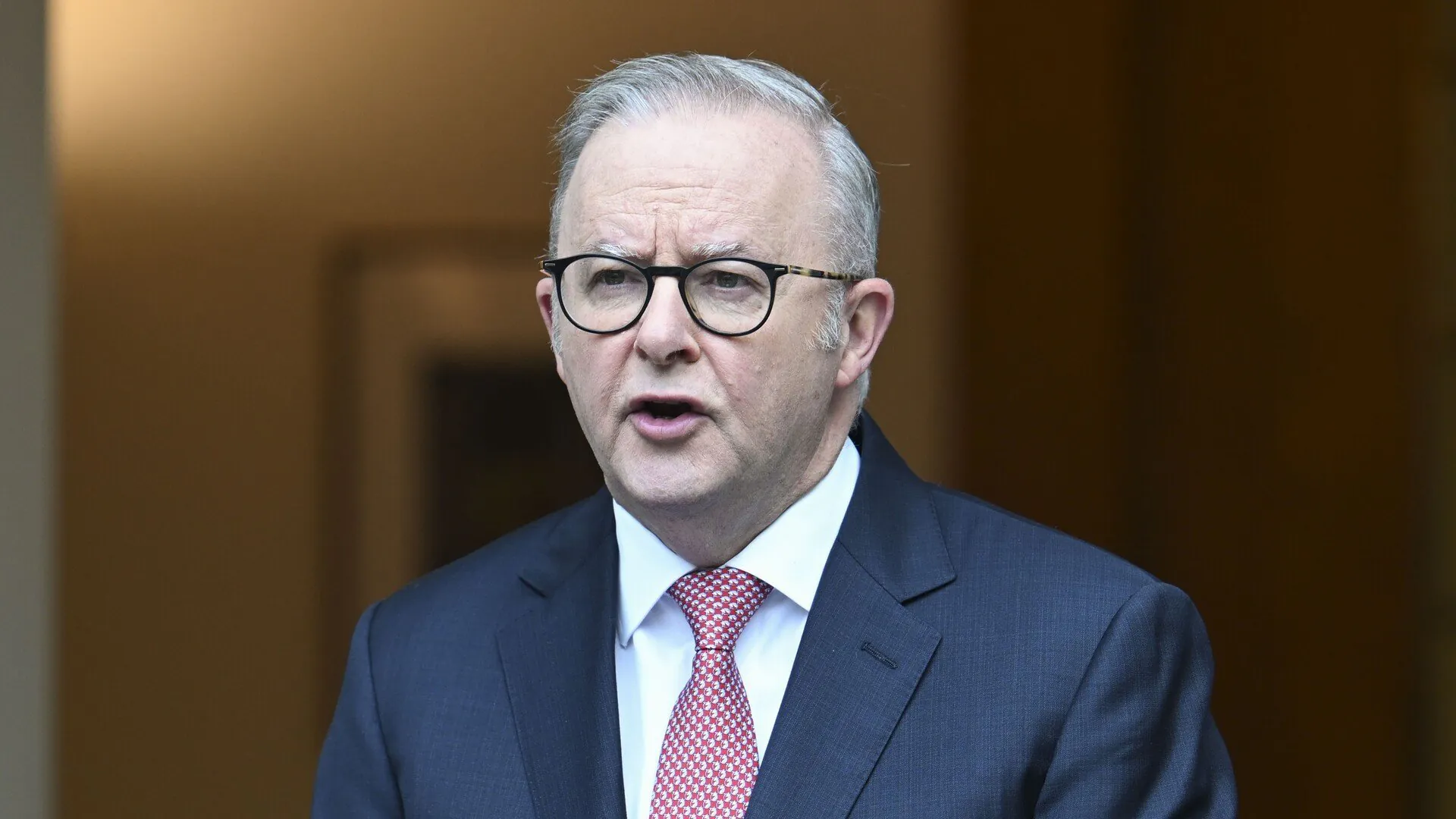
An internal presentation prepared by the Department of Home Affairs’ Cyber and Infrastructure Security Centre in May 2025 flagged “availability risks due to the offshore nature of Starlink.” The presentation acknowledged that satellite phone and internet communications services played an important role in Australia, particularly in regional and remote areas, but warned that the federal government did not have direct control over Starlink because it was not physically based in Australia.
The Australian Signals Directorate, a public advisory note published in March, raised the alarm about the risks of relying on satellite internet, citing the private operators’ “significant” control over the networks and the potential for influence that may exceed the regulatory capacity of individual nations.
The note warned that this could raise concerns about sovereignty and the protection of national interests.
Analysis: What This Means for Australia
The Australian government’s reliance on Starlink raises serious concerns about national security and the protection of critical infrastructure.
With the country’s dependence on the foreign-owned satellite network growing, the government must navigate the complex regulatory landscape to ensure that the risks are mitigated.
Security analysts say that the offshore nature of Starlink poses a significant challenge to Australia’s ability to enforce its own laws and protect itself. Law enforcement insiders warn that the lack of direct control over the network could compromise the country’s ability to respond to security threats.
Dr.
Joel Lisk, a space law lecturer at Flinders University, said that Australia had legal mechanisms to regulate Starlink, but the practical question was how much leverage the country had over satellites in orbit.
“There’s the inherent problem: How do you stop someone from doing it?” Dr. Lisk said.
The interaction between the different regulatory regimes is difficult, and the issue is not unique to Australia.
“The regulation of large-scale satellite systems is a genuine area of regulatory concern, with regulators across the world still grappling with the speed at which the technology is evolving,” Dr.
Lisk said.
As SpaceX prepares to go public on June 12, the Australian government must weigh the risks of relying on a privately owned, foreign satellite network controlled by the world’s richest man.
The chance that Elon Musk could withhold Starlink from Australia is part of the complicated equation facing politicians tasked with regulating SpaceX and Starlink. “All jurisdictions have had to contend with this: Do we authorise SpaceX to broadcast into our jurisdiction?
If we say no, what are the consequences? Could they do it anyway?
Or alternatively, are we just going to disadvantage our own citizens?” Dr. Lisk said.