
‘Bloodbath’ in Australian Media: 300 Jobs Axed as Southern Cross Media Group Embarks on Brutal Cost-Cutting Spree
- Talented journalists and TV personalities, including new mothers and veteran reporters, are among those made redundant in the latest round of cuts.
- Southern Cross Media Group’s drastic cost-reduction program aims to remove duplication and streamline processes, but at what cost to the industry and the nation?
- As the media landscape continues to evolve, experts warn of a ‘brain drain’ and a loss of experienced voices in Australian journalism.
- The redundancies come just a month after Rohan Lund took the reins as CEO, sparking concerns about the future of the company and the industry as a whole.
The newsrooms of Australia’s major media outlets are reeling after Southern Cross Media Group announced it would be axing up to 300 full-time staff members, including some of its most talented and experienced journalists.
Among those affected are new mothers, veteran reporters, and TV personalities who have made significant contributions to the industry.
Channel 7 reporter Bethan Yeoman, who is currently on maternity leave, took to social media to reveal she had been made redundant, saying it was “not on my 2026 bingo card.” Yeoman, who has worked closely with many of her colleagues, expressed her gratitude for the opportunities she’s had and the people she’s worked with, saying, “It’s the people who make this job so special.” Her post drew an outpouring of support from colleagues and rival networks, with many praising her talent and dedication.
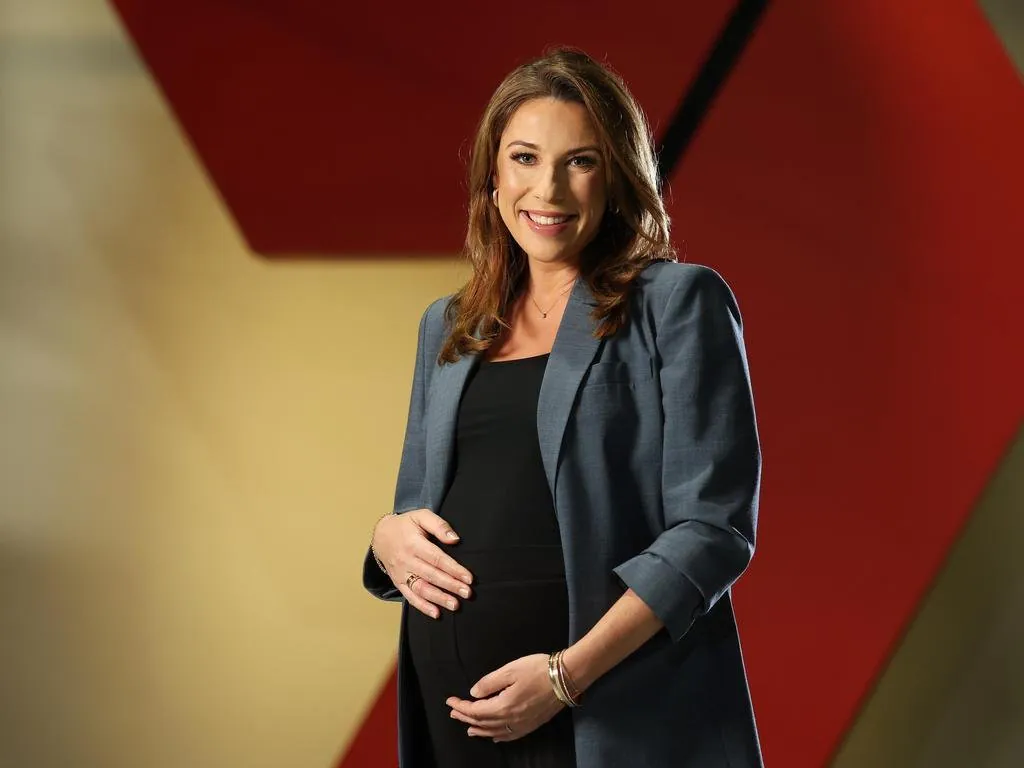
Inga Neilsen, a familiar face to many news viewers across NSW, also announced her departure from 7News, saying she had accepted a redundancy package.
Neilsen, who has covered some of the country’s biggest stories, including floods and fires, reflected on her time as a TV reporter, saying, “What I’ll remember most isn’t the tragedy, but the resilience people showed in the face of it.” Estelle Griepink, a Melbourne TV reporter, will also be leaving 7News after 11 years on the beat, saying she’s ready to take a “leap of faith” into the next stage of her life.
The redundancies are part of a broader cost-reduction program aimed at removing duplication, streamlining processes, and automating tasks.
Southern Cross Media Group, which was formed earlier this year in the merger of Southern Cross Austereo and Seven West Media, says it expects underlying EBITDA to be $185m to $190m, compared to the previously advised range of $200m to $220m.
However, the move has been met with criticism from industry insiders, who warn of a ‘brain drain’ and a loss of experienced voices in Australian journalism.
Analysis: What This Means for AustraliaThe latest round of redundancies in the Australian media industry has significant implications for the nation.
As the media landscape continues to evolve, there are concerns about the future of journalism and the impact on the country’s ability to tell its own stories.
With the loss of experienced voices and talented journalists, there is a risk that the industry will become increasingly homogenized, leading to a lack of diversity in perspectives and opinions.
Furthermore, the redundancies raise questions about the role of media in Australian society. As the industry becomes increasingly driven by profit and clicks, there is a risk that the pursuit of truth and quality journalism will be compromised.
The Australian public relies on a free and independent press to hold those in power accountable, and the loss of experienced journalists and media personalities undermines this critical function.
According to security analysts, the redundancies also have national security implications, as a weakened media industry can leave the country more vulnerable to disinformation and propaganda.
“A strong and independent media is essential for a healthy democracy,” said one analyst.
“The loss of experienced journalists and media personalities undermines this critical function and leaves the country more vulnerable to external threats.”
In the face of these challenges, it is essential that the Australian government takes action to support the media industry and ensure its continued viability.
This includes providing funding for independent journalism initiatives and implementing policies that promote media diversity and ownership. As the media industry continues to evolve, it is clear that the latest round of redundancies is just the tip of the iceberg.
The future of journalism in Australia hangs in the balance, and it is up to all of us to ensure that the industry remains strong and vibrant for generations to come.
Security insiders warn that the current state of the media industry is “a ticking time bomb” for national security, and that urgent action is needed to address the crisis.
“The loss of experienced journalists and media personalities undermines the country’s ability to respond to external threats,” said one insider.
“It’s a national security issue that needs to be taken seriously.”
Industry observers believe that the redundancies are a symptom of a broader problem in the Australian media industry.
“The pursuit of profit and clicks is driving the industry, rather than a commitment to quality journalism,” said one observer.
“This is having a devastating impact on the industry and the country as a whole.”
As the media industry continues to evolve, it is clear that the latest round of redundancies is just the beginning.
The future of journalism in Australia hangs in the balance, and it is up to all of us to ensure that the industry remains strong and vibrant for generations to come.
The newsrooms of Australia’s major media outlets are reeling after Southern Cross Media Group announced it would be axing up to 300 full-time staff members, including some of its most talented and experienced journalists. Among those affected are new mothers, veteran reporters, and TV personalities who have made significant contributions to the industry.
Channel 7 reporter Bethan Yeoman, who is currently on maternity leave, took to social media to reveal she had been made redundant, saying it was “not on my 2026 bingo card.” Yeoman, who has worked closely with many of her colleagues, expressed her gratitude for the opportunities she’s had and the people she’s worked with, saying, “It’s the people who make this job so special.” Her post drew an outpouring of support from colleagues and rival networks, with many praising her talent and dedication.
Inga Neilsen, a familiar face to many news viewers across NSW, also announced her departure from 7News, saying she had accepted a redundancy package. Neilsen, who has covered some of the country’s biggest stories, including floods and fires, reflected on her time as a TV reporter, saying, “What I’ll remember most isn’t the tragedy, but the resilience people showed in the face of it.” Estelle Griepink, a Melbourne TV reporter, will also be leaving 7News after 11 years on the beat, saying she’s ready to take a “leap of faith” into the next stage of her life.
The redundancies are part of a broader cost-reduction program aimed at removing duplication, streamlining processes, and automating tasks. Southern Cross Media Group, which was formed earlier this year in the merger of Southern Cross Austereo and Seven West Media, says it expects underlying EBITDA to be $185m to $190m, compared to the previously advised range of $200m to $220m. However, the move has been met with criticism from industry insiders, who warn of a ‘brain drain’ and a loss of experienced voices in Australian journalism.
The latest round of redundancies in the Australian media industry has significant implications for the nation. As the media landscape continues to evolve, there are concerns about the future of journalism and the impact on the country’s ability to tell its own stories. With the loss of experienced voices and talented journalists, there is a risk that the industry will become increasingly homogenized, leading to a lack of diversity in perspectives and opinions.
Furthermore, the redundancies raise questions about the role of media in Australian society. As the industry becomes increasingly driven by profit and clicks, there is a risk that the pursuit of truth and quality journalism will be compromised. The Australian public relies on a free and independent press to hold those in power accountable, and the loss of experienced journalists and media personalities undermines this critical function.
According to security analysts, the redundancies also have national security implications, as a weakened media industry can leave the country more vulnerable to disinformation and propaganda. “A strong and independent media is essential for a healthy democracy,” said one analyst. “The loss of experienced journalists and media personalities undermines this critical function and leaves the country more vulnerable to external threats.”
In the face of these challenges, it is essential that the Australian government takes action to support the media industry and ensure its continued viability. This includes providing funding for independent journalism initiatives and implementing policies that promote media diversity and ownership.
As the media industry continues to evolve, it is clear that the latest round of redundancies is just the tip of the iceberg. The future of journalism in Australia hangs in the balance, and it is up to all of us to ensure that the industry remains strong and vibrant for generations to come.
Security insiders warn that the current state of the media industry is “a ticking time bomb” for national security, and that urgent action is needed to address the crisis. “The loss of experienced journalists and media personalities undermines the country’s ability to respond to external threats,” said one insider. “It’s a national security issue that needs to be taken seriously.”
Industry observers believe that the redundancies are a symptom of a broader problem in the Australian media industry. “The pursuit of profit and clicks is driving the industry, rather than a commitment to quality journalism,” said one observer. “This is having a devastating impact on the industry and the country as a whole.”
As the media industry continues to evolve, it is clear that the latest round of redundancies is just the beginning. The future of journalism in Australia hangs in the balance, and it is up to all of us to ensure that the industry remains strong and vibrant for generations to come.