
Australia On High Alert: Deadly H5 Bird Flu Spreads to Every Continent as Experts Warn of ‘Potential Catastrophe’
- The detection of Australia’s first H5 bird flu cases has sparked fears of a ‘potential catastrophe’ as the deadly virus spreads to every continent on the planet.
- More than 400 billion chickens have been destroyed worldwide since 2001 in efforts to control the high-pathogenicity strain of bird flu.
- Australia’s Federal Agriculture Minister Julie Collins has called for calm, but experts warn of devastating losses for the farming sector and potential job losses.
- The virus has a case fatality rate of 47.9 per cent, with 478 recorded human deaths worldwide since 2003.
The detection of Australia’s first H5 bird flu cases has sent shockwaves across the nation, as the deadly virus spreads to every continent on the planet.
Federal Agriculture Minister Julie Collins has called for calm, saying the virus’s spread to Australia was inevitable. But experts are warning of a ‘potential catastrophe’ as the high-pathogenicity strain of bird flu continues to decimate wildlife and poultry farms worldwide.
Since its discovery over 20 years ago, the H5 strain of bird flu has resulted in the destruction of more than 400 billion chickens. The World Organisation for Animal Health (WOAH) reports that between 2005 and 2024, more than 633 million poultry birds were killed due to virus outbreaks.
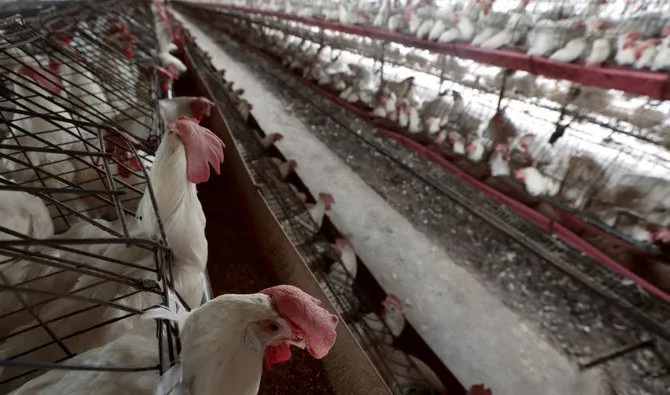
In March 2026 alone, 5.61 million birds died or were culled. The recent deaths mostly occurred in the Americas and Europe, with mortality rates for poultry often reaching 50 per cent.
The impact on the farming sector is devastating, with entire flocks of birds being wiped out. In 2017, 20 per cent of South Africa’s national flock was culled, resulting in the loss of more than 1,300 jobs.
Keith Hamilton, the WOAH head of preparedness and resilience, warns that “avian influenza can kill entire flocks of birds, so this causes devastating losses for the farming sector.”
The virus has also infected more than 100 mammalian species, including polar bears, foxes, dogs, cats, and cows.
In the US, 1,145 cow cases have been confirmed since 2024, with the first detections occurring in March 2024. The strain is believed to have wiped out more than two-thirds of the southern elephant seal pups on Heard Island and McDonald Islands.
Analysis: What This Means for AustraliaThe detection of H5 bird flu in Australia raises serious concerns for the nation’s agriculture industry and public health.
While there is no evidence the current strain spreads between people, the risk of a pandemic is still a concern.
Gregorio Torres, head of the Science Department at the World Organisation for Animal Health, argues that the risk of a pandemic is still “very low.” However, if the virus were to mutate to transmit between humans, the consequences could be severe.
Marie-Anne Rameix-Welti, medical director at the Institut Pasteur’s respiratory infections centre, warns that a bird flu pandemic would “probably be quite severe, potentially even more severe than the pandemic we experienced” during COVID-19.
The lack of commercially available vaccines against bird flu for humans or other mammals adds to the concern. The economic impact of a bird flu outbreak in Australia could be significant, with prices of eggs and poultry potentially skyrocketing.
In the US, egg prices surged to record highs of $US8–$US10 for a dozen in early 2025, leading to nationwide shortages. Average retail prices reached a record $US4.95 per dozen, a 96 per cent increase from 2024.
Security analysts warn that the spread of H5 bird flu to Australia highlights the need for increased biosecurity measures to protect the nation’s agriculture industry.
Law enforcement insiders argue that the detection of the virus in Australia is a wake-up call for the need for increased surveillance and monitoring of wildlife and poultry farms.
Industry observers believe that the detection of H5 bird flu in Australia will lead to increased investment in vaccine development and biosecurity measures. However, the lack of commercially available vaccines against bird flu for humans or other mammals remains a concern.
As the situation continues to unfold, Australians are urged to remain vigilant and take precautions to avoid contact with sick or dead birds and animals.
The detection of H5 bird flu in Australia is a stark reminder of the need for increased preparedness and resilience in the face of emerging biosecurity threats.
The detection of Australia’s first H5 bird flu cases has sent shockwaves across the nation, as the deadly virus spreads to every continent on the planet. Federal Agriculture Minister Julie Collins has called for calm, saying the virus’s spread to Australia was inevitable. But experts are warning of a ‘potential catastrophe’ as the high-pathogenicity strain of bird flu continues to decimate wildlife and poultry farms worldwide.
Since its discovery over 20 years ago, the H5 strain of bird flu has resulted in the destruction of more than 400 billion chickens. The World Organisation for Animal Health (WOAH) reports that between 2005 and 2024, more than 633 million poultry birds were killed due to virus outbreaks. In March 2026 alone, 5.61 million birds died or were culled. The recent deaths mostly occurred in the Americas and Europe, with mortality rates for poultry often reaching 50 per cent.
The impact on the farming sector is devastating, with entire flocks of birds being wiped out. In 2017, 20 per cent of South Africa’s national flock was culled, resulting in the loss of more than 1,300 jobs. Keith Hamilton, the WOAH head of preparedness and resilience, warns that “avian influenza can kill entire flocks of birds, so this causes devastating losses for the farming sector.”
The virus has also infected more than 100 mammalian species, including polar bears, foxes, dogs, cats, and cows. In the US, 1,145 cow cases have been confirmed since 2024, with the first detections occurring in March 2024. The strain is believed to have wiped out more than two-thirds of the southern elephant seal pups on Heard Island and McDonald Islands.
The detection of H5 bird flu in Australia raises serious concerns for the nation’s agriculture industry and public health. While there is no evidence the current strain spreads between people, the risk of a pandemic is still a concern. Gregorio Torres, head of the Science Department at the World Organisation for Animal Health, argues that the risk of a pandemic is still “very low.” However, if the virus were to mutate to transmit between humans, the consequences could be severe.
Marie-Anne Rameix-Welti, medical director at the Institut Pasteur’s respiratory infections centre, warns that a bird flu pandemic would “probably be quite severe, potentially even more severe than the pandemic we experienced” during COVID-19. The lack of commercially available vaccines against bird flu for humans or other mammals adds to the concern.
The economic impact of a bird flu outbreak in Australia could be significant, with prices of eggs and poultry potentially skyrocketing. In the US, egg prices surged to record highs of $US8–$US10 for a dozen in early 2025, leading to nationwide shortages. Average retail prices reached a record $US4.95 per dozen, a 96 per cent increase from 2024.
Security analysts warn that the spread of H5 bird flu to Australia highlights the need for increased biosecurity measures to protect the nation’s agriculture industry. Law enforcement insiders argue that the detection of the virus in Australia is a wake-up call for the need for increased surveillance and monitoring of wildlife and poultry farms.
Industry observers believe that the detection of H5 bird flu in Australia will lead to increased investment in vaccine development and biosecurity measures. However, the lack of commercially available vaccines against bird flu for humans or other mammals remains a concern.
As the situation continues to unfold, Australians are urged to remain vigilant and take precautions to avoid contact with sick or dead birds and animals. The detection of H5 bird flu in Australia is a stark reminder of the need for increased preparedness and resilience in the face of emerging biosecurity threats.