
Heartbroken Mother’s Crusade for Justice: ‘Bailey’s Law’ Seeks to Overhaul Community Sentencing After Son’s Tragic Death
- A grieving mother’s fight for justice has sparked a statewide movement, with over 19,000 people backing her call for tougher community sentencing laws.
- Carol Micallef’s 18-year-old son Bailey Jones was stabbed to death by a friend who was serving an intensive corrections order (ICO) for armed robbery.
- The killer, Dominic Saliba, was sentenced to just seven years and nine months behind bars, with the option of parole after four years, sparking outrage from the victim’s family.
- Micallef’s petition, ‘Bailey’s Law’, demands stricter measures for those granted ICOs, including random checks, electronic tracking, and harsher eligibility for violent offenders.
Carol Micallef’s world was shattered the night her 18-year-old son Bailey Jones was stabbed in the heart by his friend Dominic Saliba. The pain of that moment still feels like an open wound, but Micallef has channeled her grief into a crusade for justice.
Her son’s tragic death has become a catalyst for change, sparking a statewide movement that’s gaining momentum by the day.
On the night of December 9, 2022, Jones had been hanging out with Saliba and other friends at a home in Bomaderry, on the NSW South Coast.
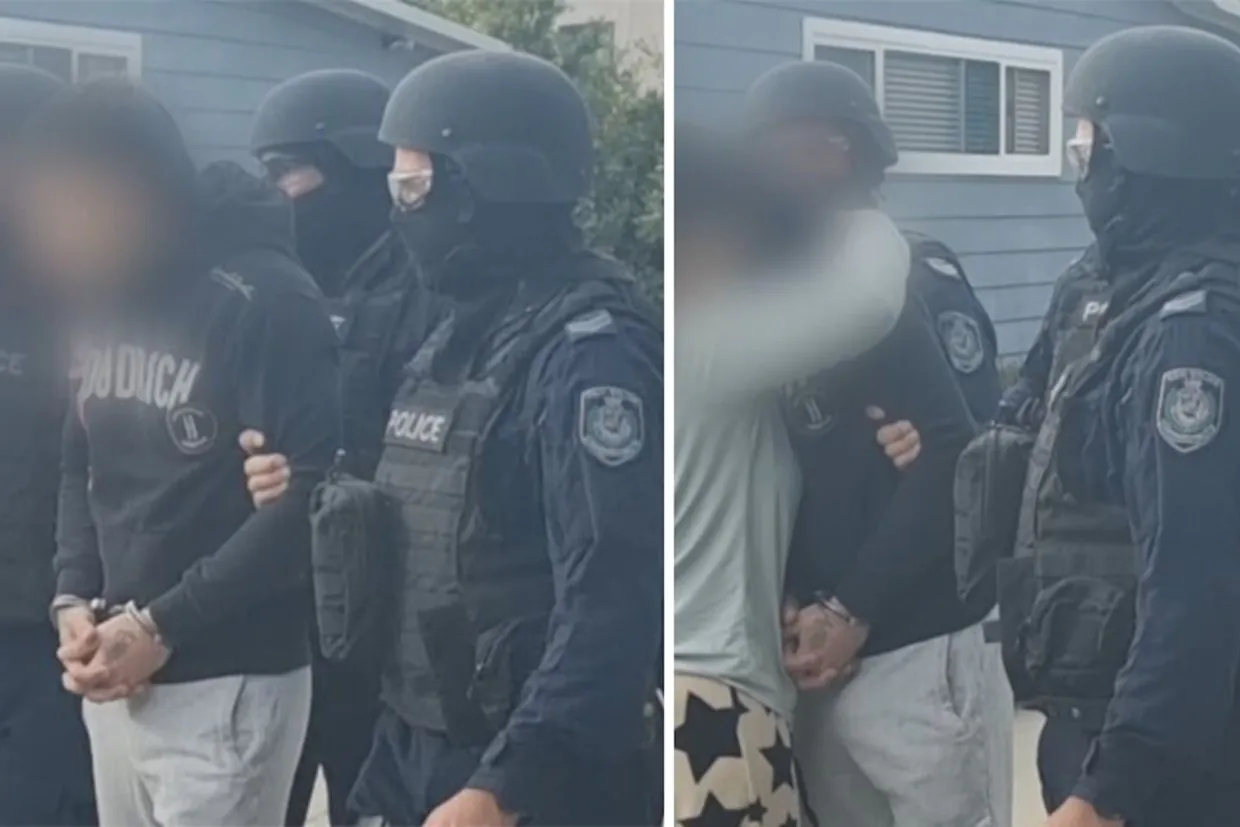
What started as a playful fight turned deadly when Saliba, then 20, lost his temper and stabbed Jones. The young man’s life was cut short, leaving behind a family and community in shock.
Saliba had only served a few months of a two-year ICO for armed robbery, a sentence that Micallef believes was too lenient.
The subsequent trial was a grueling experience for Micallef, who sat in court every day, listening to the harrowing details of her son’s final moments. The verdict – manslaughter, not murder – and the sentence that followed only added to her anguish.
Saliba was sentenced to a maximum of seven years and nine months behind bars, with the option of parole after just four years. For Micallef, it was a slap on the wrist, a sentence that failed to reflect the severity of the crime.
The pain of losing her son has been compounded by the sense of injustice that’s followed. Micallef believes that the justice system failed her son, and that the ICO system is inherently flawed.
Her petition, ‘Bailey’s Law’, is a call to action, demanding stricter measures for those granted ICOs.
The proposed changes include random in-person checks from police, electronic ankle bracelet tracking, harsher eligibility for violent and repeat offenders, regular social media monitoring, and random drug and alcohol testing.
“Bailey’s Law is not about revenge; it’s about preventing other families from going through what we’ve been through,” Micallef said. “The justice system needs to be overhauled to protect the community from known repeat offenders.
We can’t just sit back and wait for another tragedy to happen.”
Analysis: What This Means for Australia
The case has sparked a wider debate about community sentencing and the need for tougher laws. Security analysts say that the current system is too lenient, allowing violent offenders to roam free and putting the public at risk.
“The fact that Saliba was able to kill someone while serving an ICO is a clear indication that the system is broken,” said one expert. “We need to take a harder line on crime and ensure that those who commit serious offenses are held accountable.”
The petition has also highlighted the need for greater support for victims’ families. Micallef’s story has resonated with dozens of people who have come forward to share their own stories of loss and trauma.
The outpouring of support has been overwhelming, with over 19,000 people signing the petition in just four weeks.
As the petition gains momentum, Micallef remains determined to push for change.
She’s hoping to surpass the 20,000 signature mark and reach 40,000, sending a clear message to the attorney general that the community demands tougher laws.
“Bailey’s life may not have been saved, but his death can save others,” she said. “I won’t rest until we have a safer, more just society for all Australians.”
community sentencing justice system NSW Parliament