Bird Flu Outbreak Looms Over Australia: Is the Nation Prepared for a Devastating Epidemic That Could Wipe Out Millions of Chickens and Spark Egg Shortages?
- Australia’s poultry industry is on high alert as authorities monitor seven detected cases of bird flu nationwide, with experts warning of a potential outbreak that could devastate the nation’s chicken and egg supplies.
- The threat comes as the US battles a devastating outbreak that has seen over 130 million birds culled since 2022, causing egg prices to skyrocket by 200% and creating widespread shortages.
- Australia’s 24 million egg-laying hens and hundreds of millions of chickens raised for meat are at risk, leaving supermarkets, fast food retailers, and shoppers wondering if the nation is ready for a potential outbreak.
The threat of a bird flu outbreak in Australia is a ticking time bomb, with the nation’s poultry industry holding its breath as authorities scramble to contain the situation.
The discovery of seven cases nationwide has set off alarm bells, with experts warning of a potential epidemic that could wipe out millions of chickens and spark egg shortages across the country.
As the US continues to battle a devastating outbreak that has seen over 130 million birds culled since 2022, Australia is on high alert.
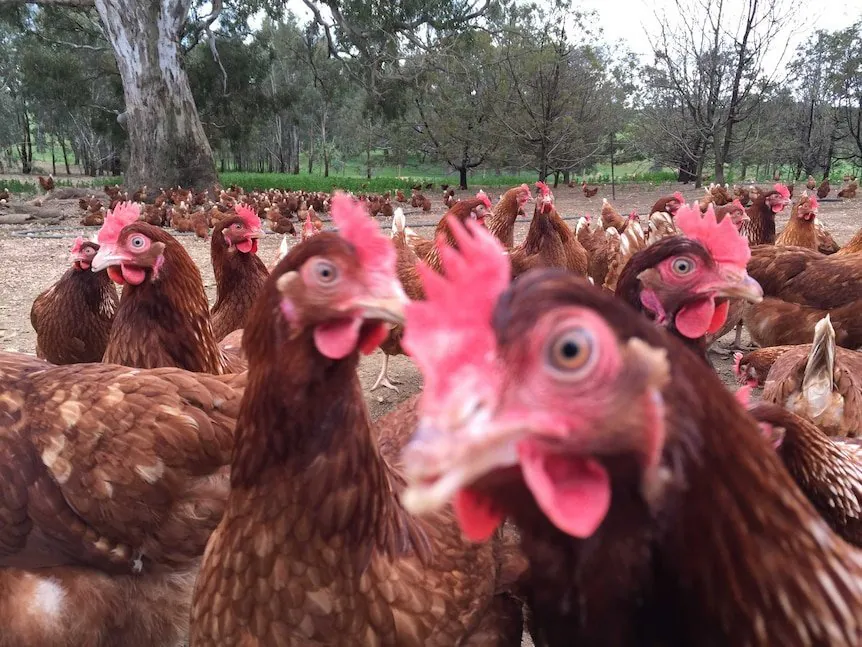
The outbreak has caused egg prices to jump by 200% in the US, creating widespread shortages and leaving supermarkets and retailers scrambling to keep up with demand.
With 24 million egg-laying hens and hundreds of millions of chickens raised for meat, Australia’s poultry industry is a significant contributor to the nation’s food supply.




But the threat of a bird flu outbreak is not new to Australia. In 2024, the nation saw empty shelves and carton limits after two million birds were culled due to the H7 strain.
This time around, retailers are receiving regular briefings on the H5 strain, with cases detected so far only in migratory birds. However, the real concern emerges if they infect local animals.
Australian farmers have been instructed to bring free-range chickens inside or under cover, away from wild birds. A 14-day exemption allowing eggs to still be labelled free-range is likely to be extended.
Historically, any bird flu outbreak on a farm in Australia results in all birds on that property being culled.
But it’s not just commercial farmers who are at risk. Backyard chicken owners are also being urged to take precautions, keeping their chooks clear from wildlife.
“If you’ve got a pen that you can put netting around, it’s probably a good idea,” said Dr Sam Haynes, from Sydney Animal Hospitals.
“The other important thing is making sure if you can that their food and drink is kept covered up because they can also become contaminated by wild birds.”
So, what does this mean for Australia?
Analysis: What This Means for Australia
The potential bird flu outbreak has significant national security implications for Australia. With the nation’s food supply at risk, the government must take swift action to contain the situation.
Law enforcement and biosecurity agencies must work together to monitor the situation and prevent the spread of the disease. The economic consequences of a widespread outbreak could be devastating, with the poultry industry contributing significantly to the nation’s GDP.
Security analysts say that the government must take a proactive approach to preventing the spread of the disease, including increasing surveillance and monitoring of migratory birds.
“The government must be prepared to take swift and decisive action to contain the situation,” said one analyst. “The consequences of inaction could be catastrophic for the nation’s food supply and economy.”
Industry observers believe that the government must also provide support to farmers and retailers affected by the outbreak. “The government must provide financial assistance to farmers who are forced to cull their birds,” said one observer.
“They must also work with retailers to ensure that the public has access to safe and affordable food.”
Australia’s role in international efforts to combat bird flu is also critical. The nation must work with international partners to share intelligence and best practices in preventing the spread of the disease.
By working together, Australia can help prevent the spread of bird flu and protect its own food supply.