Avian Apocalypse: ‘Devastating’ Bird Flu Threatens to Wipe Out Australia’s Endangered Sea Lion Colony as Suspected Cases Multiply
- Australia is on high alert as three suspected cases of bird flu are investigated in giant petrels, with grave concerns for the endangered sea lion colony on Kangaroo Island.
- Experts warn that if the virus reaches the sea lions, it could decimate the population, with potentially catastrophic consequences for the ecosystem.
- The suspected cases come as the country grapples with the devastating impact of bird flu on marine mammal populations, including the loss of 80 per cent of southern elephant seal pups on Heard Island in 2025.
- Authorities are urging the public to report any sightings of sick or dead birds, as surveillance efforts continue along 5,000km of coastline.
The discovery of two sick petrels at Emu Bay on Kangaroo Island and at Port Vincent on the Yorke Peninsula has sent shockwaves through the community, with authorities warning of the potentially disastrous consequences of a positive result.
The birds, which returned suspected detections at PIRSA’s Glenside facility on Monday, have now been sent to the CSIRO Australian Centre for Disease Preparedness in Geelong for confirmation.
These suspected cases follow a now-positive case announced on Tuesday in a petrel found at Hardwicke Bay, making it the eighth confirmed case in Australia.
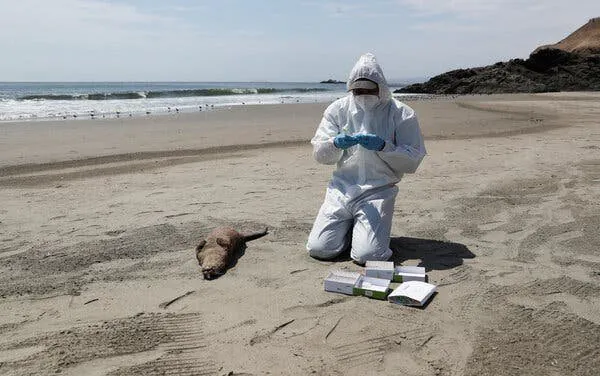
The Kangaroo Island detection is particularly concerning, with experts warning that the island’s sea lion colony could be decimated if the virus reaches the species.
SA Chief Veterinarian Dr Skye Fruean said that while area closures near seal and sea lion populations are not currently being considered, they would be implemented if necessary.




The threat of bird flu to Australia’s marine mammal populations is a ticking time bomb, with the disease having already had a devastating impact on southern elephant seal pups on Heard Island.
In 2025, 80 per cent of the population was wiped out, highlighting the catastrophic consequences of the virus spreading to other species. Dr Fruean warned that the threat is not limited to Kangaroo Island, with migratory birds carrying the virus potentially infecting species along the entire coastline.
Analysis: What This Means for Australia
The suspected cases of bird flu in giant petrels have significant implications for Australia’s national security, with the potential to decimate endangered species and disrupt the delicate ecosystem.
The country’s coastline is particularly vulnerable, with the virus able to spread rapidly through migratory birds. The economic and social consequences of a widespread outbreak could be severe, with the tourism and fishing industries potentially impacted.
Law enforcement insiders warn that the situation is being closely monitored, with surveillance efforts continuing along 5,000km of coastline. “We’re doing everything we can to prevent the spread of the virus, but we need the public’s help,” said one insider.
“If people see any sick or dead birds, they must report it immediately and not touch the animals.”
Industry observers believe that the suspected cases of bird flu highlight the need for increased funding and resources to support surveillance and prevention efforts. “We can’t afford to be complacent when it comes to biosecurity,” said one expert.
“The consequences of a widespread outbreak would be catastrophic, and we need to take a proactive approach to preventing it.”
As the situation continues to unfold, one thing is clear: the threat of bird flu to Australia’s endangered species is real, and it’s up to everyone to take action to prevent it.
If you see any sick or dead birds, do not touch them – report it to the Emergency Animal Disease Hotline on 1800 675 888.