Scott Morrison’s Covid Catastrophe: How One ‘Massive Mistake’ Helped Seal the Liberals’ Fate
- Former PM Scott Morrison admits his government’s handling of Western Australia’s border closure was a “massive mistake” that contributed to the Liberals’ election loss
- Morrison’s decision to support Clive Palmer’s failed High Court challenge against WA’s border closure was a critical error, he now concedes
- The move was wildly unpopular in WA and helped Labor win four seats in the state, delivering a majority to Anthony Albanese
- Morrison points the finger at his WA colleagues Mathias Cormann and Christian Porter, saying they advised him to pursue the legal challenge
In a stunning admission, former Prime Minister Scott Morrison has revealed that his government’s handling of Western Australia’s border closure during the Covid-19 pandemic was a “massive mistake” that contributed to the Liberals’ election loss.
In an interview for an upcoming book, Morrison conceded that his decision to support billionaire Clive Palmer’s failed High Court challenge against the closure was a critical error that helped Labor win four seats in the state and deliver a majority to Anthony Albanese.
The border closure was a highly contentious issue during the pandemic, with Morrison frequently trading barbs with WA Premier Mark McGowan.
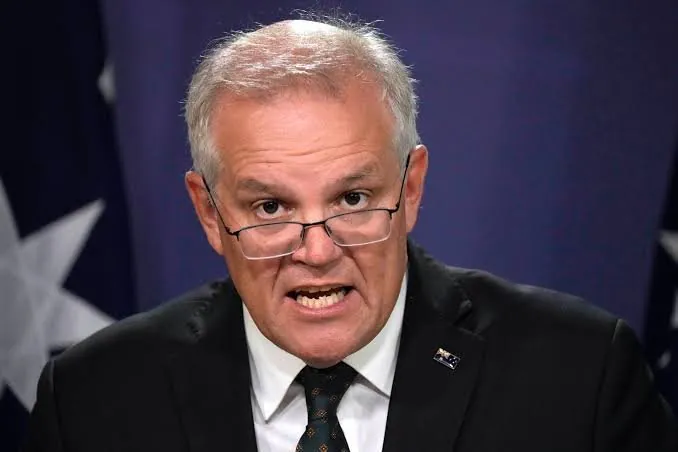
The PM had accused McGowan of going “against the country’s interests” by announcing that border closures and lockdowns would remain on the table even after vaccination rates reached 80 per cent.
Morrison also sparked outrage in WA with comments that were seen as likening its residents to cavemen, saying that some people wanted to “stay in the cave” and avoid the challenges of living in a different world.

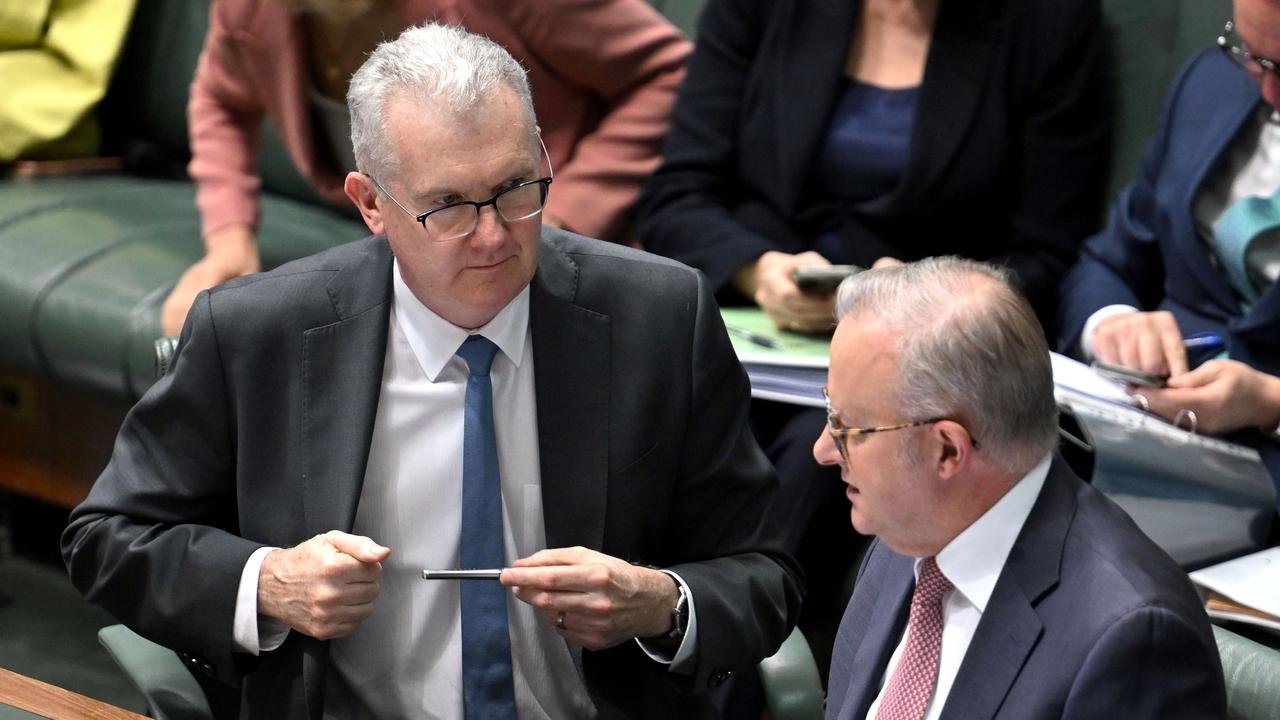

However, in a remarkable about-face, Morrison now says he has changed his position and agrees with McGowan’s decision on the border. “I have a different view now,” he told the book’s author, Paul Kelly.
“In the first few weeks and months of the pandemic, we didn’t really talk about borders. We had closed the international border, but what did that mean internally?
We didn’t give that enough thought because, ultimately, I think the West Australian border made a lot of sense.”
Morrison’s admission is a damning indictment of his government’s handling of the pandemic, and raises serious questions about the Liberal Party’s national security and crisis management credentials.
The move also highlights the significant impact of the pandemic on Australian politics, and how it continues to shape the country’s electoral landscape.
Analysis: What This Means for Australia
The implications of Morrison’s admission are far-reaching and have significant national security implications for Australia. The pandemic highlighted the importance of effective crisis management and communication, and the need for governments to work collaboratively with state and territory leaders.
Morrison’s decision to support Palmer’s High Court challenge was a clear example of a ” Canberra-knows-best” approach, which ultimately backfired and contributed to the Liberals’ election loss.
Law enforcement and border control insiders warn that the incident highlights the need for a more nuanced and cooperative approach to managing national emergencies. “The pandemic showed us that a one-size-fits-all approach to crisis management just doesn’t work,” said one security analyst.
“We need to work more closely with state and territory leaders to develop tailored responses that meet the unique needs of each region.”
The economic and social consequences of the pandemic are still being felt, with many Australians struggling to recover from the financial and emotional toll of lockdowns and border closures.
Morrison’s admission serves as a timely reminder of the need for governments to prioritize the needs of all Australians, rather than pursuing partisan agendas.
As Health Minister Mark Butler noted in 2024, “We have a responsibility, particularly as a government, to examine our response to the pandemic, to learn what we did well, and in particular, to learn what we could have done better, and importantly, to build, as this report describes it, a high-level playbook for the next pandemic because we know there will be the next pandemic.”
Indeed, the pandemic has left an indelible mark on Australian politics, and Morrison’s admission serves as a stark reminder of the need for humility and cooperation in the face of crisis.
As the country looks to the future, it is clear that a more nuanced and collaborative approach to national security and crisis management is needed – one that prioritizes the needs of all Australians, rather than partisan interests.