
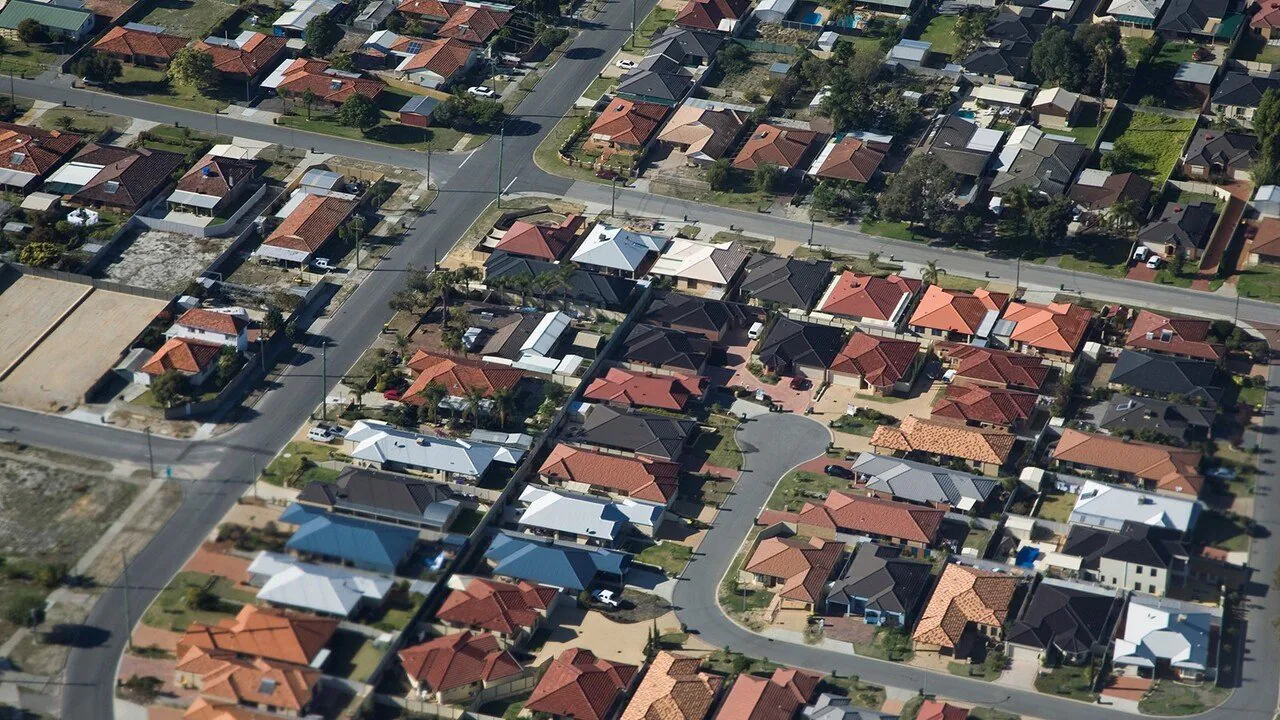
‘NIMBY Wars’ Erupt in Australia’s Richest Council as 3000 New Homes Spark Fierce Resistance and Accusations of AI-Generated Protests
- Australia’s most affluent council, Waverley, is bracing for a contentious vote on a massive development plan that could transform the face of Bondi Junction.
- Anti-development residents, dubbed NIMBYs, have been accused of using AI-generated complaints to flood the consultation process with objections.
- The proposed plan would bring 3000 new homes, mid- and high-rise apartments, and a revitalized mall to the area, but opponents claim it will destroy the suburb’s character.
- The heated debate has sparked a wider conversation about Australia’s housing crisis, with pro-development advocates arguing that density is necessary to address affordability and supply issues.
The usually tranquil streets of Bondi Junction are set to become a battleground as Waverley Council prepares to vote on a contentious development plan that promises to revolutionize the suburb.
The proposed master plan, unveiled in May, has ignited a firestorm of opposition from local residents, who claim it will destroy the area’s unique character and heritage.
But the debate has also raised questions about the role of technology in shaping public opinion, with allegations that some opponents are using AI-generated complaints to flood the consultation process.
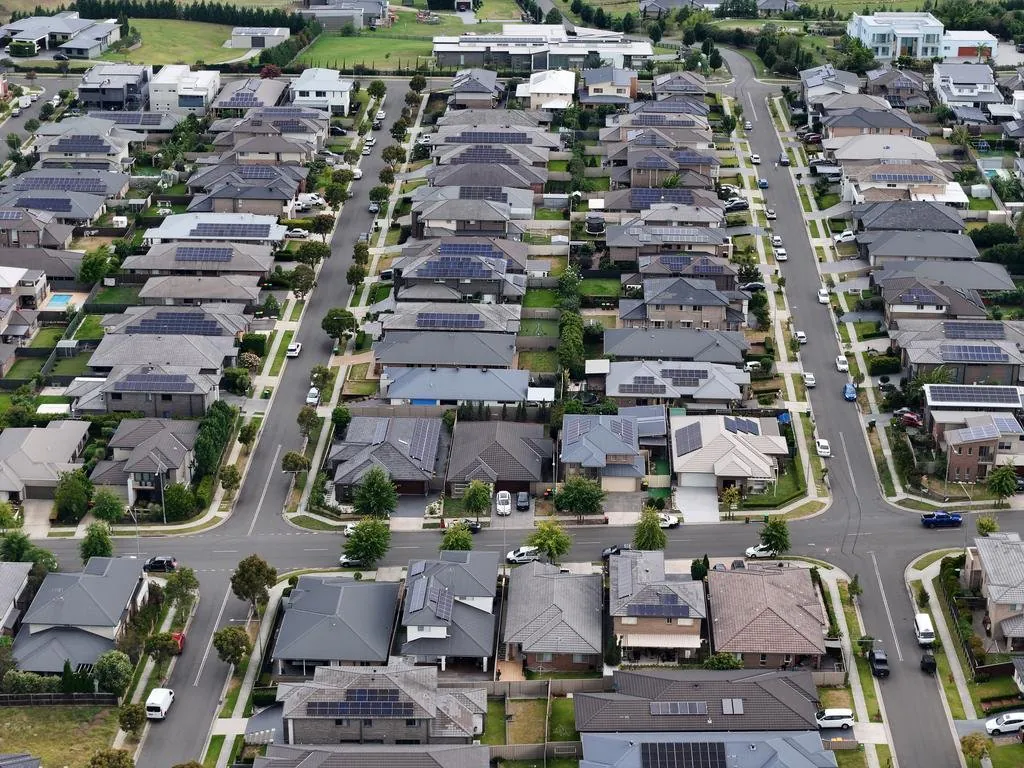
The plan, which would bring 3000 new homes, mid- and high-rise apartments, and a revitalized mall to the area, has been hailed by proponents as a necessary step to address the region’s chronic housing shortage.
Pro-development advocates argue that density is essential to making the area more affordable and sustainable, but opponents claim it will only serve to further gentrify the suburb and push out long-time residents.
The debate has sparked a wider conversation about Australia’s housing crisis, with many calling for bold action to address the nation’s affordability and supply issues.
At the heart of the controversy is the issue of community engagement and the role of technology in shaping public opinion.
Opponents of the plan have been accused of using AI-generated complaints to flood the consultation process, a tactic that some have dubbed “spamming” the system.
The allegations have sparked a heated debate about the legitimacy of the opposition movement and the use of technology to influence public policy.
While some argue that the complaints are a legitimate expression of community concern, others claim they are nothing more than a cynical attempt to manipulate the system.
Analysis: What This Means for Australia
The debate over the Bondi Junction master plan has significant implications for Australia’s housing crisis and the future of urban planning. As the nation grapples with chronic affordability and supply issues, the need for bold action is becoming increasingly clear.
The question is, what role should density play in addressing these challenges?
Proponents of the plan argue that it is essential to making the area more affordable and sustainable, but opponents claim it will only serve to further gentrify the suburb and push out long-time residents.
As the nation watches, the outcome of this debate will have far-reaching consequences for the future of urban planning and the lives of countless Australians.
Security analysts say that the use of AI-generated complaints raises serious concerns about the integrity of the consultation process and the potential for manipulation. “This is a worrying trend that highlights the need for greater transparency and accountability in the planning process,” said one expert.
“We need to ensure that community engagement is genuine and not influenced by external factors.” Law enforcement insiders warn that the increasing use of technology to influence public policy could have serious consequences for the democratic process.
“This is a slippery slope,” said one source. “If we allow technology to manipulate public opinion, we risk undermining the very foundations of our democracy.”
Ultimately, the fate of the Bondi Junction master plan will be decided by the Waverley Council, but the debate has sparked a wider conversation about the future of urban planning and the role of technology in shaping public opinion.
As the nation watches, one thing is clear: the need for bold action to address Australia’s housing crisis is becoming increasingly clear, and the outcome of this debate will have far-reaching consequences for the lives of countless Australians.
housing crisis urban planning Australian Bureau of Statistics