One Nation’s Victorian Leader Spreads Debunked ’15-Minute City’ Conspiracy Theory, Experts Warn of ‘Oxygen of Amplification’
- Warren Pickering, One Nation’s new Victorian leader, has promoted a debunked conspiracy theory that the ’15-minute city’ urban planning model is a sinister effort to control how Australians live and move.
- Experts warn that conspiracy theories can gain greater legitimacy and reach when amplified by prominent politicians, and that Mr Pickering’s comments could attract disillusioned voters.
- The ’15-minute city’ concept is a decade-old urban planning idea that aims to design neighbourhoods so people can reach everyday needs within a 15-minute walk or bike ride from home, but conspiracy theorists have recast it as a government plan to restrict people’s movements.
- One Nation plans to field candidates across Victoria at the November election, and experts warn that the party’s promotion of conspiracy theories could have serious consequences for the state’s communities and public safety.
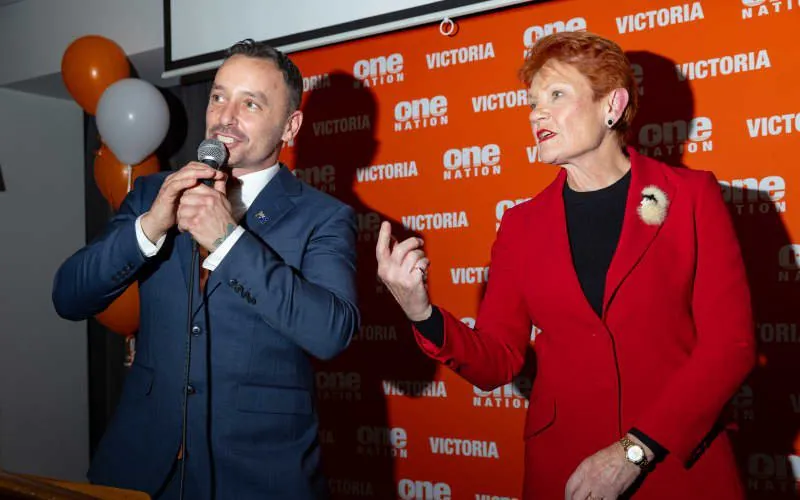
Warren Pickering, the new leader of One Nation in Victoria, has sparked concern among experts by promoting a debunked conspiracy theory that the ’15-minute city’ urban planning model is a sinister effort to control how Australians live and move.
In a Facebook post shared in September 2024, Mr Pickering warned Victorians that the “noose is tightening” around every aspect of their lives under a plot led by “unelected globalist bureaucrats” to restrict movement in cities.
Mr Pickering’s comments have been widely condemned by experts, who warn that conspiracy theories can gain greater legitimacy and reach when amplified by prominent politicians.
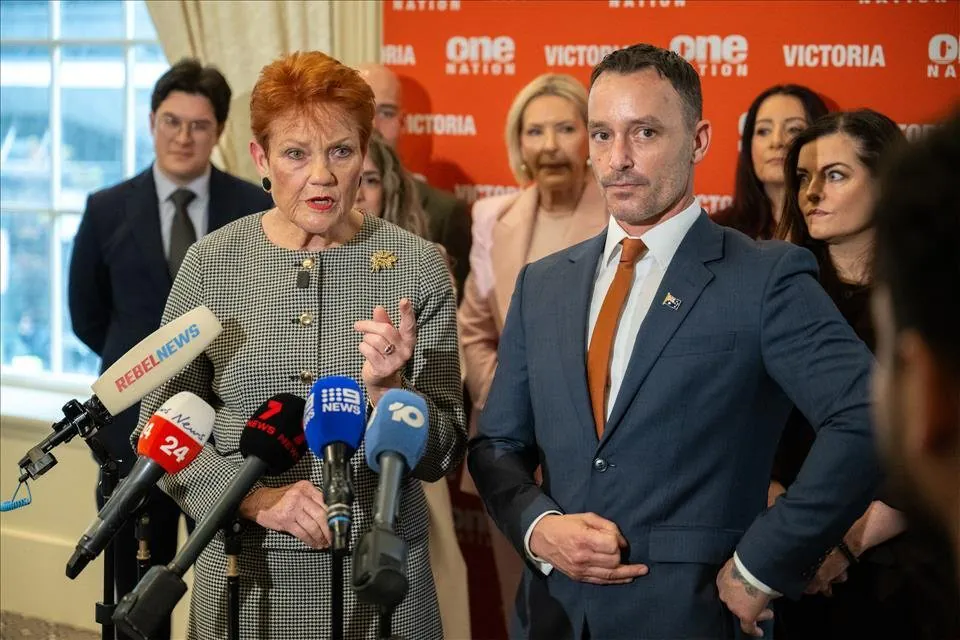
“It’s incredibly concerning that a political party leader has actually believed in and engaged in amplifying and spreading these conspiracy theories,” said QUT Digital Media Research Centre Professor Axel Bruns.
The ’15-minute city’ concept is a decade-old urban planning idea that aims to design neighbourhoods so people can reach everyday needs such as shops, schools, health care, and parks within a 15-minute walk or bike ride from home.
However, conspiracy theorists have recast it as a government plan to restrict people’s movements, monitor residents, and eventually prevent people from leaving designated neighbourhoods without permission.
One Nation plans to field candidates across Victoria at the November election, and experts warn that the party’s promotion of conspiracy theories could have serious consequences for the state’s communities and public safety.
“There is great potential for misinforming the general public if Mr Pickering continues to espouse those views,” said Professor Bruns.
Analysis: What This Means for Australia
The promotion of conspiracy theories by One Nation’s Victorian leader has serious implications for Australia’s national security, law enforcement, and community safety.
By amplifying debunked conspiracy theories, Mr Pickering and his party are contributing to a climate of misinformation and mistrust that can have serious consequences for the country’s social cohesion and public safety.
Furthermore, the fact that One Nation plans to field candidates across Victoria at the November election raises concerns about the party’s potential impact on the state’s communities and public safety.
If the party is successful in attracting disillusioned voters, it could lead to a rise in extremist ideologies and a decline in trust in institutions.
Security analysts say that the spread of conspiracy theories can be a major challenge for law enforcement agencies, as it can create a climate of mistrust and hostility towards authorities.
“It’s a major concern for us, as it can lead to a breakdown in community trust and cooperation,” said a law enforcement insider.
Industry observers believe that the promotion of conspiracy theories by One Nation’s Victorian leader is a cynical attempt to attract voters who are disillusioned with mainstream politics.
“It’s a desperate attempt to gain traction and attention, but it’s a strategy that can backfire and damage the party’s credibility,” said a political commentator.