Australia’s Trade Surplus Plunges to 9-Year Low as Middle East Crisis Fuels Fuel Frenzy and Electric Vehicle Surge
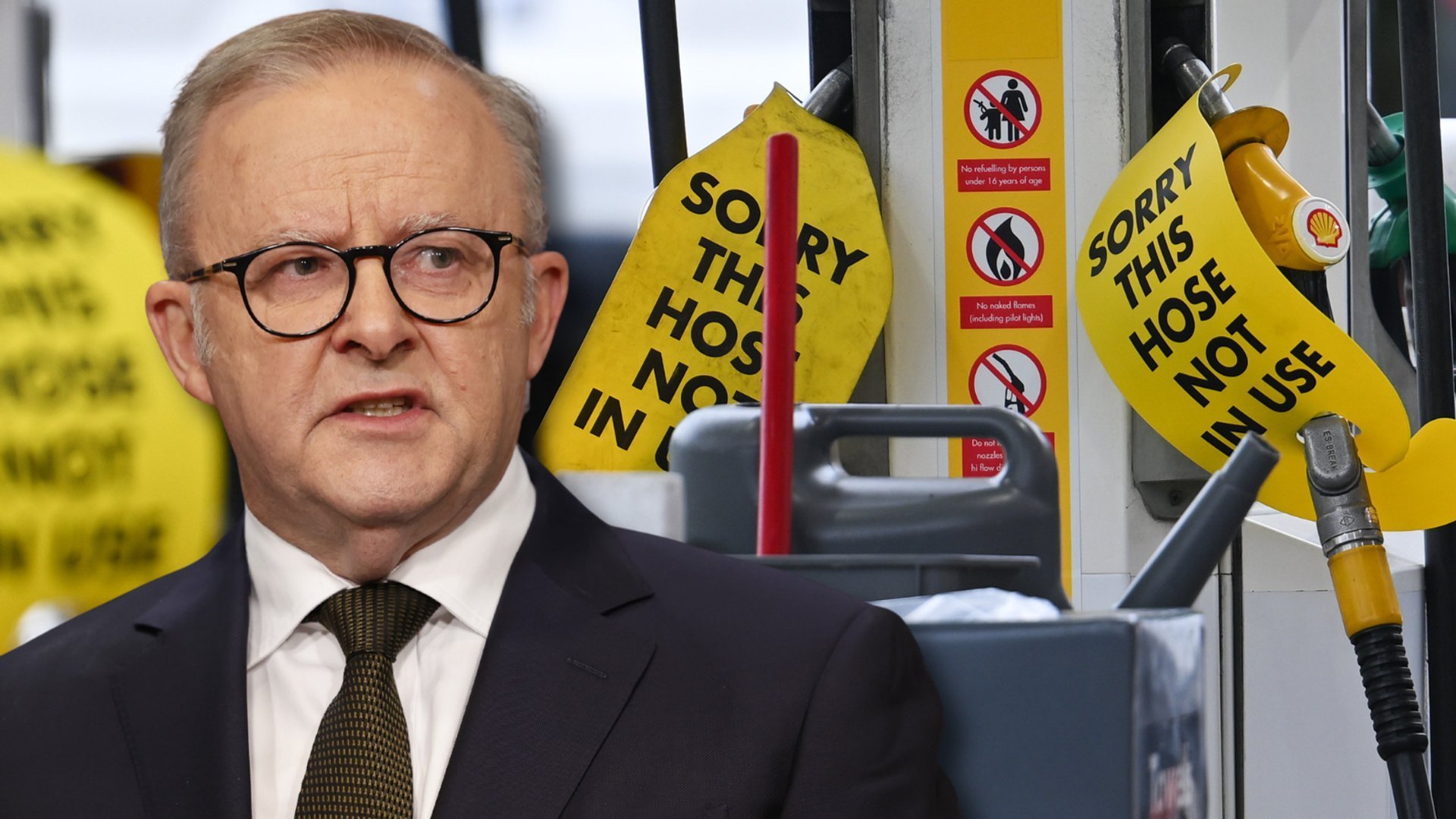
- Australia’s quarterly trade surplus has dropped to its lowest level in almost a decade, with the country scrambling to secure fuel supplies amid the Middle East oil crisis.
- Electric vehicle imports have surged, with Chinese manufacturers such as BYD benefiting from the US-Iran conflict-driven petrol price hike.
- The Albanese government’s deal-making efforts to secure fuel supplies from trading partners have led to significant increases in imports from countries such as South Korea, Malaysia, and Brunei.
- G reflexivity, or demand for electric vehicles, has driven a 28.2% rise in car imports, with battery electric vehicle sales more than doubling in the June quarter.
Australia’s trade surplus has plummeted to its lowest level in almost a decade, with the country’s fuel security concerns and the rising popularity of electric vehicles driving a surge in imports.
The latest figures from the Australian Bureau of Statistics show that the trade surplus narrowed to $1.1 billion in the June quarter, the smallest surplus since 2017.
The Middle East oil crisis has sent shockwaves through the global economy, with Australia racing to secure fuel supplies from its trading partners. The Albanese government’s deal-making efforts have led to significant increases in imports from countries such as South Korea, Malaysia, and Brunei.
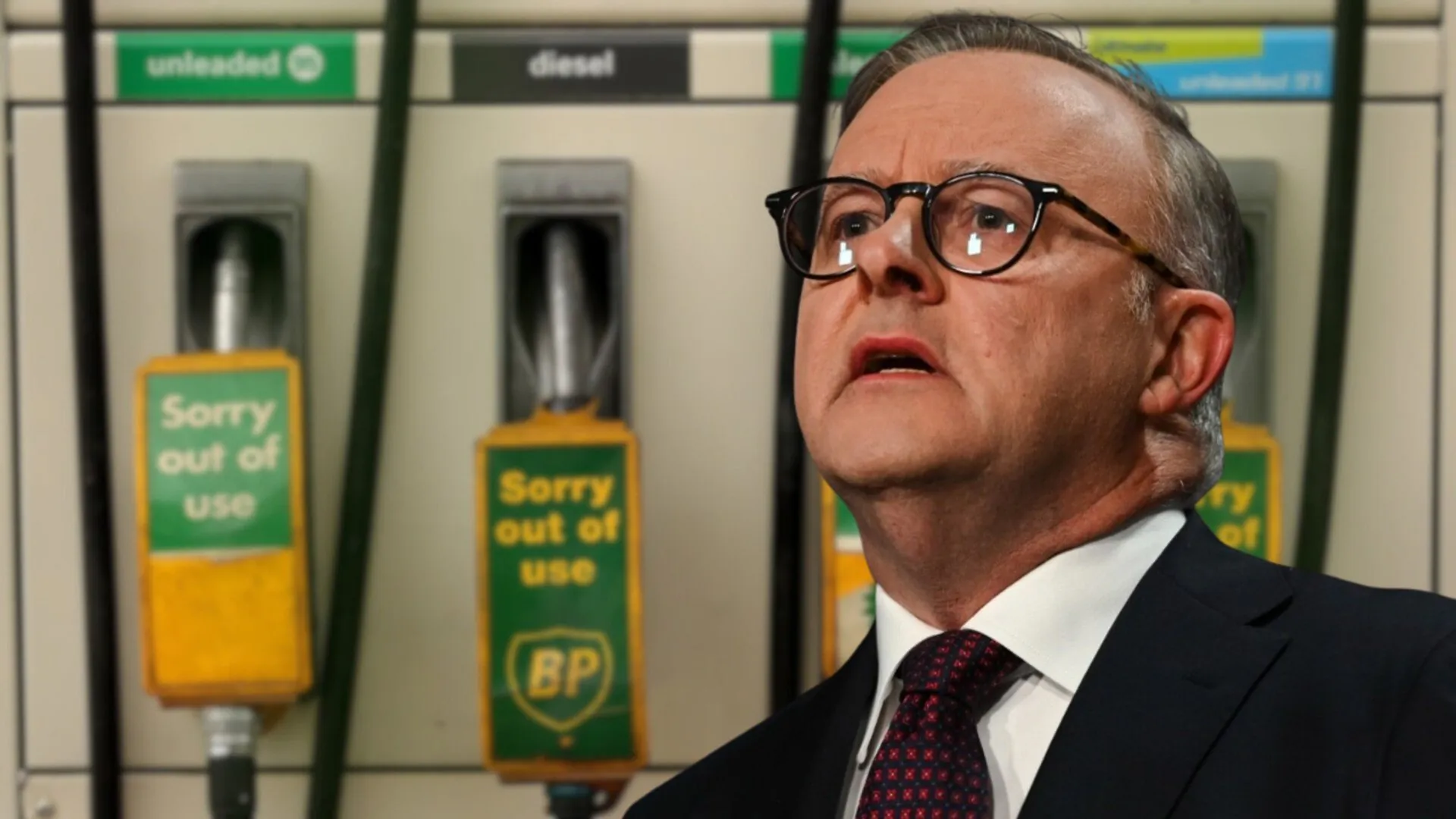
Total imports from South Korea rose by 77.5% to $4.7 billion, while imports from Malaysia jumped by 63.6% to $2.7 billion. Even Nigeria, a country that previously supplied virtually no fuel to Australia, saw its imports rise to almost $600 million.
The surge in electric vehicle imports has also been a major factor in the decline of Australia’s trade surplus. Chinese manufacturers such as BYD have benefited from the US-Iran conflict-driven petrol price hike, which has driven motorists to seek alternative options.




Battery electric vehicle sales more than doubled in the June quarter to 69,414, according to data from the Australian Automobile Association. This trend has contributed to a 28.2% rise in car imports, with electric vehicles becoming an increasingly popular choice for Australian motorists.
However, not all imports have seen a significant increase. The surge in demand for data centre equipment, which was driven by the growth of artificial intelligence, appears to be easing.
Imports of automated data processing (ADP) equipment, including equipment used to fit out AI data centres, fell by more than a quarter in the three months to June.
Telecommunications equipment imports, which also include equipment for data centres, were broadly flat.
Analysis: What This Means for Australia
The decline in Australia’s trade surplus has significant implications for the country’s economy and national security. The surge in fuel imports highlights the need for Australia to diversify its energy sources and reduce its reliance on foreign fuel supplies.
The rise of electric vehicles also presents both opportunities and challenges for the country, with the potential for job creation and economic growth in the EV industry, but also the need for significant investment in infrastructure and charging networks.
Security analysts say that the Middle East oil crisis has exposed Australia’s vulnerability to global events and the need for the country to develop a more robust energy security strategy.
“The surge in fuel imports highlights the need for Australia to reduce its reliance on foreign fuel supplies and develop a more diversified energy mix,” said one analyst.
Law enforcement insiders warn that the rise of electric vehicles also presents new challenges for law enforcement agencies, with the potential for increased theft and trafficking of EV batteries and other components.
“The growing popularity of electric vehicles presents a new challenge for law enforcement agencies, with the need for increased vigilance and cooperation between agencies to combat theft and trafficking,” said one insider.
Industry observers believe that the decline in data centre investment momentum may be a sign of a broader slowdown in the tech sector.
“The easing in data centre investment momentum may be a sign of a broader slowdown in the tech sector, with investors becoming more cautious in the face of global economic uncertainty,” said one observer.
As the global economy continues to evolve and face new challenges, Australia must be prepared to adapt and diversify its economy to remain competitive.
The decline in the trade surplus is a wake-up call for the country to invest in new industries and technologies, and to develop a more robust energy security strategy.