Flight Fiasco: Unruly Child Sparks Chaos on Canadian Plane, Leaving Passengers Stranded Overnight
- A young child’s refusal to buckle up on a Porter Airlines flight in Canada caused the plane to return to the terminal, delaying it past the airport’s runway closure.
- The Toronto-bound flight was forced to disembark all passengers after the parent and child were removed, leaving them stranded overnight.
- The airline has apologised to the affected passengers, who were rebooked on a flight the following day.
- The incident highlights the growing concern of unruly passenger behaviour and its impact on air travel.
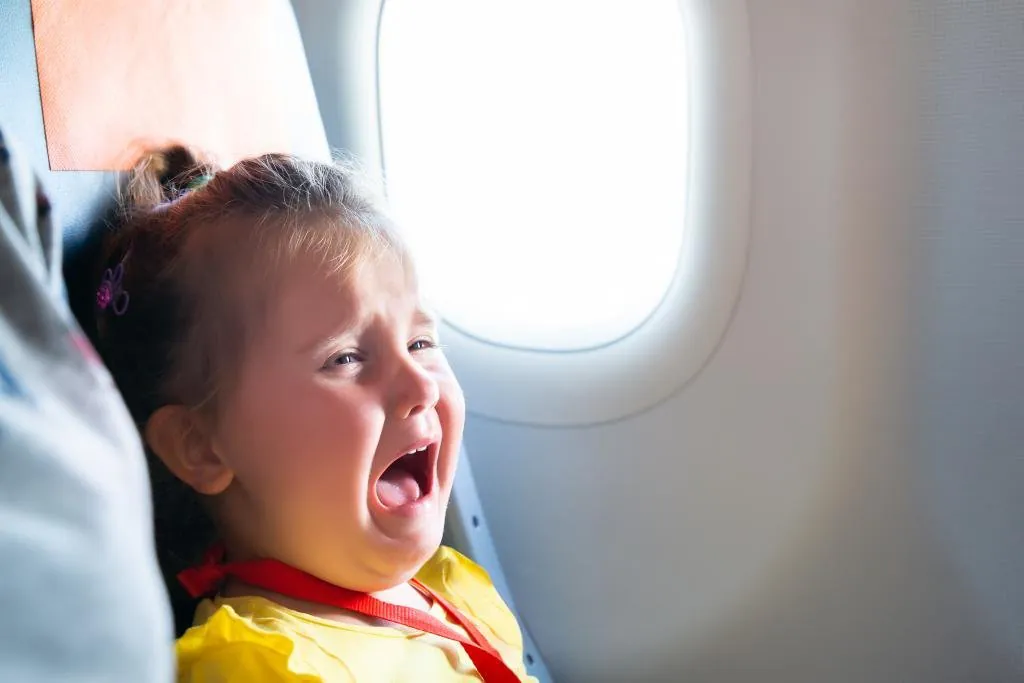
The drama unfolded on a Porter Airlines flight from Victoria International Airport in British Columbia to Toronto, when a young child refused to sit down and buckle up, despite repeated attempts by the parent and crew to secure them in their seat.
The plane was forced to return to the terminal, where the parent and child were removed, along with their baggage.
However, this decision came at a cost, as the flight was delayed past the airport’s 12:30 am runway closure, leaving the remaining passengers stranded overnight.
Porter Airlines has since apologised to the affected passengers, who were rebooked on a flight the following day. The incident has sparked concerns about the growing issue of unruly passenger behaviour and its impact on air travel.
So, what’s behind this surge in disruptive behaviour on planes?



Security analysts say that the rise in incidents can be attributed to a combination of factors, including increased stress and frustration among passengers, as well as a lack of effective consequences for those who engage in disruptive behaviour.
Law enforcement insiders warn that the issue is not just limited to Canada, but is a global problem that requires a coordinated effort to address.
“The safety of passengers and crew is paramount, and airlines, airports, and governments must work together to develop effective strategies to prevent and respond to these incidents,” said one expert.
Industry observers believe that the incident highlights the need for airlines to develop more effective policies and procedures for dealing with unruly passengers.
“Airlines must take a proactive approach to addressing this issue, including providing additional training for crew members and implementing stricter consequences for those who engage in disruptive behaviour,” said another expert.
Analysis: What This Means for Australia
The incident has implications for Australian air travel, as the country’s airlines and airports must also contend with the growing issue of unruly passenger behaviour.
With the rise of low-cost carriers and increased air travel, the risk of disruptions to flights and passenger safety is a concern that cannot be ignored.
Australia’s aviation industry must take note of the lessons learned from this incident and work to develop effective strategies to prevent and respond to similar incidents.
This includes providing additional training for crew members, implementing stricter consequences for those who engage in disruptive behaviour, and promoting a culture of respect and safety among passengers.
As the Australian government continues to invest in the country’s aviation infrastructure, it is essential that the industry prioritises the safety and security of passengers and crew.
By working together, airlines, airports, and governments can ensure that air travel remains a safe and enjoyable experience for all.
air travel safety aviation industry Australian Transport Safety Bureau