
Toll Relief Revolution: NSW Motorists Rejoice As Weekly Cap Slashed, Unlocking $99 Million In Rebates For Hard-Hit Families
- Almost 200,000 more NSW motorists can now claim toll relief after the state government lowered its weekly cap, unlocking a staggering $99 million in rebates.
- The average motorist who regularly spends $50 per week on tolls could get a whopping $520 back over a year, providing much-needed relief for households struggling to make ends meet.
- Western Sydney continues to dominate the claims list, with residents in Blacktown receiving almost $5.8 million in rebates since the scheme began, highlighting the significant burden of transport costs on local families.
- The toll rebate scheme is part of the government’s broader cost-of-living package, which also includes registration relief, the removal of toll administration fees, and a 12-month freeze on Opal fares, providing a vital lifeline for motorists feeling the pinch.
In a move that is set to bring relief to hundreds of thousands of NSW motorists, the state government has lowered its weekly toll cap, making an additional 200,000 toll accounts eligible for rebates and unlocking $99 million in rebates for hard-hit families.
The change, which reduces the threshold from $60 to $50, is expected to have a significant impact on households struggling to make ends meet, particularly in Western Sydney where transport costs are a major pressure on household budgets.
According to government estimates, the average motorist who regularly spends $50 per week on tolls could get $520 back over a year, providing a much-needed injection of cash into the pockets of families and workers who rely on toll roads to get to work, school, and appointments.
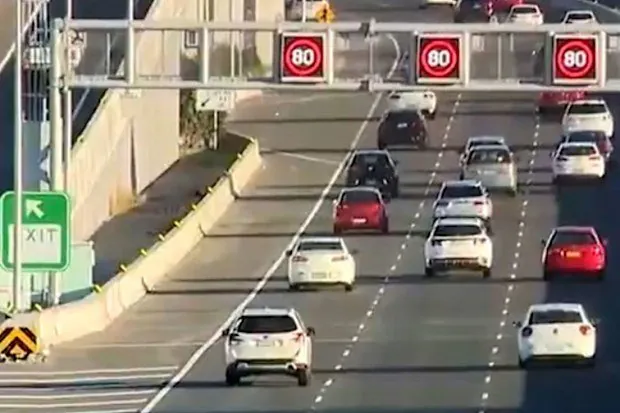
The latest expansion of the toll relief scheme comes as transport costs remain a major pressure on household budgets, with many motorists having little choice but to use toll roads every day.
Premier Chris Minns said that the government recognizes the significant burden of transport costs on households and is committed to providing relief to those who need it most.



The toll rebate scheme, which was introduced in 2024, has already returned $348 million to NSW motorists, with over 1.07 million claims processed to date.
Western Sydney continues to dominate the claims list, accounting for more than half of all successful applications, with residents in Blacktown receiving almost $5.8 million in rebates since the scheme began.
The scheme is designed to target motorists facing the biggest transport costs, with the $50 toll cap giving money back to those hit hard by rising fuel costs.
Transport Minister John Graham said that the scheme is about giving money back to the motorists who need it most, and that the government is committed to continuing to provide relief to households struggling to make ends meet.
As the cost-of-living crisis continues to bite, the NSW government’s decision to lower the weekly toll cap is a welcome move for motorists who are feeling the pinch.
With transport costs remaining a major pressure on household budgets, the toll rebate scheme provides a vital lifeline for families and workers who rely on toll roads to get to work, school, and appointments.
The scheme is part of the government’s broader cost-of-living package, which also includes registration relief of up to $100 for eligible motorists, the removal of toll administration fees, and a 12-month freeze on Opal fares.
Customer Service Minister Jihad Dib urged drivers to check whether they are eligible for the scheme, saying that it’s great to see more than one million toll relief claims, with money going to families and workers in and around Western Sydney.
Analysis: What This Means for Australia is that the NSW government’s decision to lower the weekly toll cap is a significant step towards addressing the cost-of-living crisis.
The move is expected to have a positive impact on household budgets, particularly in Western Sydney, where transport costs are a major pressure on families and workers.
Security analysts say that the scheme is a good example of how governments can use targeted interventions to provide relief to those who need it most.
Law enforcement insiders warn that the scheme must be carefully monitored to prevent abuse and ensure that the benefits are directed to those who are intended to receive them.
Industry observers believe that the scheme is a positive step towards reducing the burden of transport costs on households and promoting economic growth.
As the toll rebate scheme continues to provide relief to NSW motorists, it’s clear that the government’s decision to lower the weekly toll cap is a welcome move for households struggling to make ends meet.
With transport costs remaining a major pressure on household budgets, the scheme provides a vital lifeline for families and workers who rely on toll roads to get to work, school, and appointments.
As the cost-of-living crisis continues to bite, it’s essential that governments continue to provide targeted interventions to support those who are most in need.
By doing so, we can help to promote economic growth, reduce inequality, and improve the overall wellbeing of Australian households.
cost-of-living crisis is a major issue that affects many Australian households, and the NSW government’s decision to lower the weekly toll cap is a positive step towards addressing this issue.
Australian Bureau of Statistics data shows that transport costs are a significant burden on household budgets, and the toll rebate scheme is a welcome move to provide relief to those who need it most.