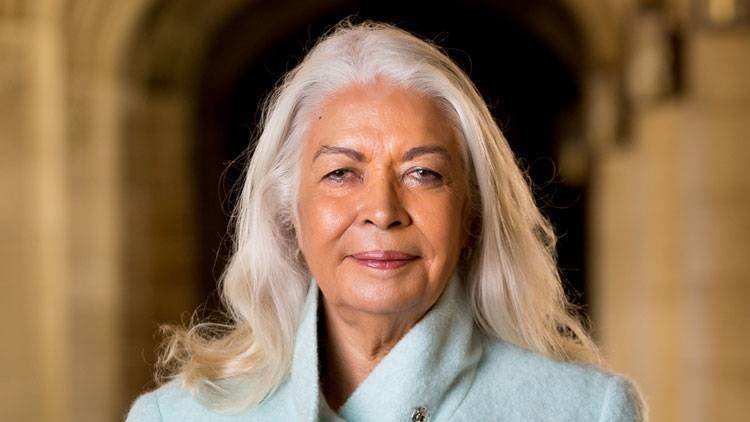
‘I’m Made Voiceless’: Indigenous Academic Marcia Langton Reveals Shocking Abuse by Pro-Palestinian Activists After Supporting Jewish Australians
- Respected Indigenous academic Marcia Langton testifies to royal commission about vile abuse she faced from pro-Palestinian movement
- Langton’s car windows smashed after showing support for Jewish Australians, sparking fears for her safety
- Jewish childcare worker shares heartwarming story of teaching non-Jewish kids about her culture, promoting social cohesion
- Royal commission into antisemitism hears disturbing accounts of racism and hate in Australia
As a prominent advocate for Indigenous Australians, Marcia Langton has dedicated her career to fighting for the rights and dignity of her people.
But when she dared to show support for Jewish Australians, she was met with a shocking and vicious backlash from members of the pro-Palestinian movement.
In a powerful testimony to the Royal Commission on Antisemitism and Social Cohesion, Langton revealed the disturbing abuse she faced, including having her car windows smashed and being labelled a “zio” – a derogatory term used to silence critics of Palestinian activism.
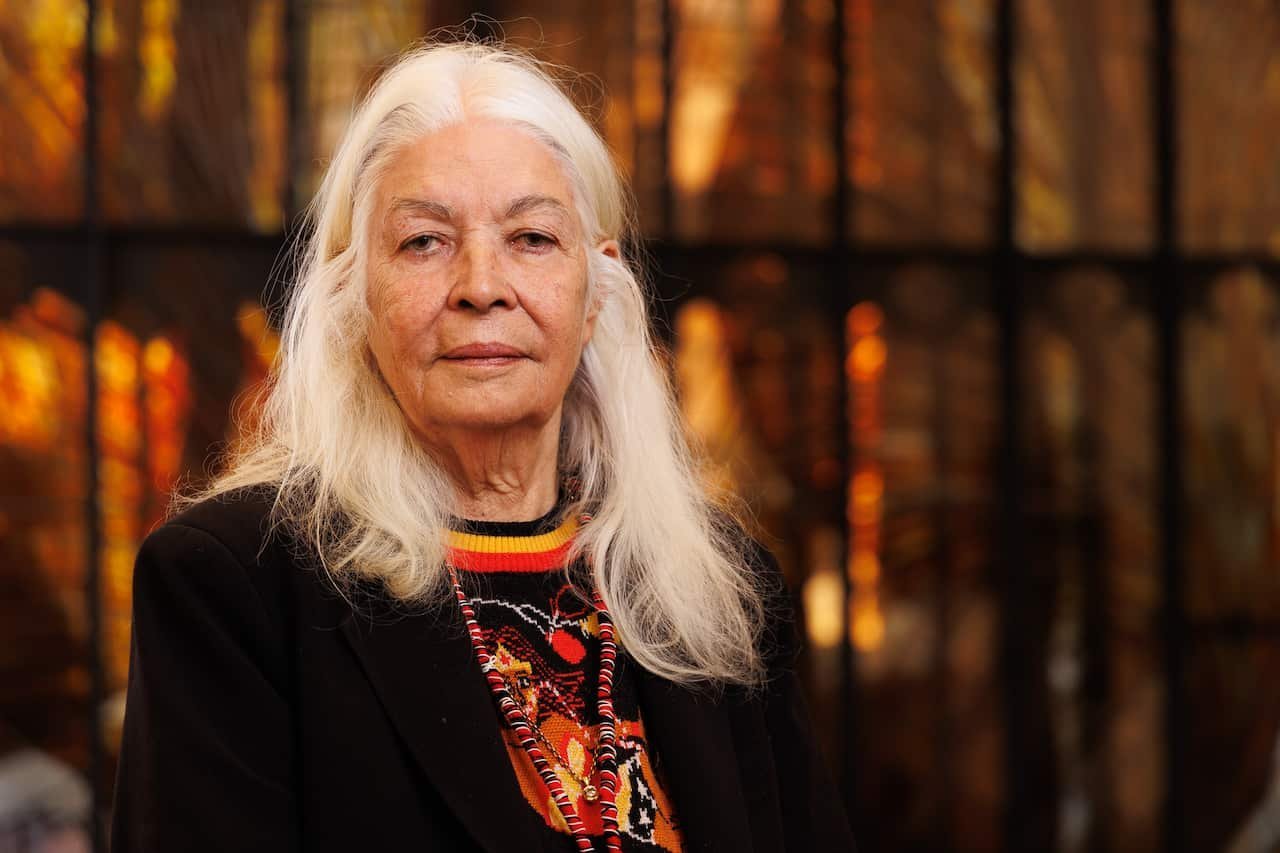
Langton’s appearance before the commission was a pivotal moment in the inquiry, which is tasked with exploring the insidious rise of antisemitism in Australia.
Her testimony shed light on the darker side of activism, where legitimate criticism of Israel is often used as a pretext for vile racism and hate speech.



“Labelling me as a zio … I’m therefore made voiceless in the debate,” Langton said, her voice trembling with emotion.
“Because as much as I might be horrified and oppose what’s happening in Gaza … the foul treatment of Jewish Australians cannot be justified by saying that Israel is doing this in Gaza.”
But Langton’s story is not an isolated incident.
The commission also heard from a Jewish childcare worker, known as AEA, who has been working tirelessly to promote social cohesion in her centre, where 70 per cent of the families are non-Jewish.
AEA’s approach is simple yet effective: by introducing children to Jewish culture through sensory experiences, she aims to celebrate difference while highlighting the values and experiences that unite people of different backgrounds.
From challah baking to sharing stories of family traditions, AEA’s program is a beacon of hope in a world where division and hate often seem to dominate the headlines.
So, what does this mean for Australia?
As the royal commission continues its inquiry, it is clear that antisemitism is a growing problem that requires a concerted response from all sectors of society.
Security analysts say that the rise of online hate speech and social media activism has created a perfect storm of radicalisation, where individuals can be easily influenced by extremist ideologies.
Law enforcement insiders warn that the blurring of lines between legitimate criticism of Israel and outright antisemitism has made it increasingly difficult to track and prosecute hate crimes.
Industry observers believe that education is key to tackling antisemitism and promoting social cohesion. By teaching children about different cultures and traditions, we can foster a sense of empathy and understanding that transcends borders and backgrounds.
But it requires a commitment from all Australians to stand up against hate and intolerance, whenever and wherever it arises.
As Langton so powerfully put it, “The foul treatment of Jewish Australians cannot be justified by saying that Israel is doing this in Gaza.” It’s time for us to take a stand against antisemitism and promote a culture of respect, empathy, and inclusivity.
As the royal commission continues its vital work, one thing is clear: the fight against antisemitism is a fight for us all. It’s a fight for our values, our democracy, and our very way of life.
We must not be silenced by fear or intimidation. We must not be swayed by the false narrative that criticism of Israel is somehow justified by the actions of a few.
We must stand together, as Australians, to reject hate and promote a culture of love, respect, and inclusivity.
antisemitism in Australia social cohesion Australian Human Rights Commission