
Rent Crisis Spirals Out of Control: The Alarming Reality of Australia’s Housing Market
- Rents have skyrocketed to more than half of the average single-income take-home pay in every Australian capital city.
- The average apartment now costs 56% of the take-home income of someone earning $70,000, exceeding the 30% housing stress mark.
- Even six-figure earners are struggling, with renting a unit costing over a third of their income, leaving them with limited options.
- Housing advocacy groups are calling for urgent action, including more social housing and limits on rental increases.
The rent crisis in Australia has reached a boiling point, with the latest report from housing advocacy group Everybody’s Home revealing that renting a unit now costs more than half the median take-home pay of a single worker in every Australian capital city.
For someone earning $70,000, median Sydney rent would take a staggering 69% of their weekly pay, while even Adelaide, the cheapest capital, would cost more than half.
The situation is dire, with experts warning that the crisis is only going to get worse unless drastic action is taken.
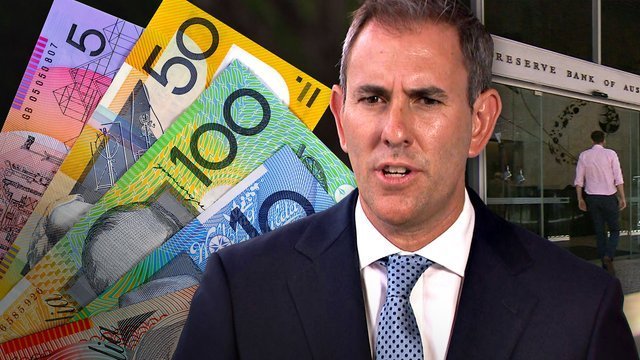
The 2026 Priced Out report found that apartments on average nationally cost $614 per week, making up 56% of the take-home income of someone earning $70,000 – close to Australia’s median income of $74,100.
Everybody’s Home spokesperson Maiy Azize described the situation as a “crisis that continues to get worse for the country’s renters”. “We now see people earning really high incomes are still spending more than a third of their income on rent.



If you are earning $130,000 a year, you are still spending more than a third on rent,” she said.
The report also found that northern WA, the Gold Coast, and Sydney were the three most expensive places to rent, followed by the Sunshine Coast and Perth.
“For a long time, Sydney was ground zero for the crisis, and it is still really bad news, shocking if you are a renter in Sydney,” Ms Azize said.
“This year, one of the most expensive capital cities in the country is Perth, and WA across the board has some really dire results.”
The situation is not just limited to low-income earners. Even those on higher salaries are struggling to make ends meet.
“The Gold Coast has been surging every year that we have done this report, and it is getting expensive to rent on the Gold Coast, even if you are earning $130,000 a year.
You would need to be in a couple or a multi-income family to make that work,” Ms Azize warned.
Since the March 2025 Priced Out report, rents on average have increased by $48 a week – almost $2,500 a year.
This year’s report found that for an employee on $40,000, that increase would be the equivalent of 4.4 weeks of work per year; an employee on $70,000, 3.1 weeks; and for someone earning $130,000, 1.6 weeks.
Changes to housing policy in this year’s budget were predicted by the government to result in a median rental increase of $2 a week. However, Ms Azize said rents had been surging by about 10% every single year.
Analysis: What This Means for Australia
The rent crisis has severe implications for Australia’s economy, society, and national security. With housing affordability at an all-time low, many Australians are being forced to make difficult choices between paying rent and other essential expenses.
This can lead to financial stress, anxiety, and a decline in overall well-being.
Furthermore, the lack of affordable housing can also impact Australia’s workforce, as people may be forced to relocate or reduce their work hours to accommodate unaffordable rent.
Law enforcement and border control may also be affected, as people may be more likely to turn to crime or exploitation due to financial desperation.
The crisis also raises concerns about social cohesion and community stability, as people may become disillusioned with the system and feel forced to take matters into their own hands.
Security analysts say that the rent crisis is a ticking time bomb, waiting to unleash a wave of social and economic instability. “The situation is unsustainable, and something needs to be done urgently to address the root causes of the crisis,” said one expert.
“The government needs to take a proactive approach to addressing the issue, rather than just tinkering around the edges.”
Industry observers believe that the crisis is a result of decades of government inaction and a reliance on the private sector to provide housing. “We need to see the government step back in and take a more active role in providing affordable housing,” said Ms Azize.
“When you look around the world at the countries that are actually doing a good job of turning around their housing crisis or better yet avoiding it altogether, they’re the countries where the government is playing a really big role in providing housing.”
The report recommends several key actions, including the Australian government committing to build 940,000 public and community homes over the next 15 years, introducing limits on the number and amount of rent increases during a tenancy, and ending no-grounds evictions.
The government must take urgent action to address the crisis and ensure that all Australians have access to safe, affordable, and secure housing.