Illicit Tobacco Epidemic: How Australia’s ‘War on Smoking’ Unleashed a Multi-Billion-Dollar Black Market and a National Crisis
- Australia’s decade-long ‘war on smoking’ has led to a booming illicit tobacco trade, with over half of all tobacco consumed in the country now coming from the black market.
- The black market share jumps to 80% when including vapes, pouches, and other nicotine products, with experts warning of a ‘massive scale’ of organised crime.
- The crisis has sparked a heated debate over whether to cut the tobacco excise, with the Coalition and One Nation pushing for a reduction, while Labor and health advocates argue it would undermine years of progress on smoking rates.
- Australia’s tobacco excise has risen significantly since 2010, with a pack of 20 cigarettes now costing between $40 and $50, compared to $13.50 in the late 2000s.
Mat Evans, a licensed tobacco store owner in Narooma, NSW, is on the front lines of Australia’s illicit tobacco crisis. Every day, he turns away customers looking for cheap, black-market cigarettes.
“I tell them it’s illegal, and I’ll get shut down if I have it,” he says.
But with over half of all tobacco consumed in Australia now coming from the black market, it’s clear that many Australians are willing to take the risk.
The boom in illicit tobacco has been fuelled by a decade of rising excise rates, which have made legal cigarettes increasingly unaffordable for many Australians.
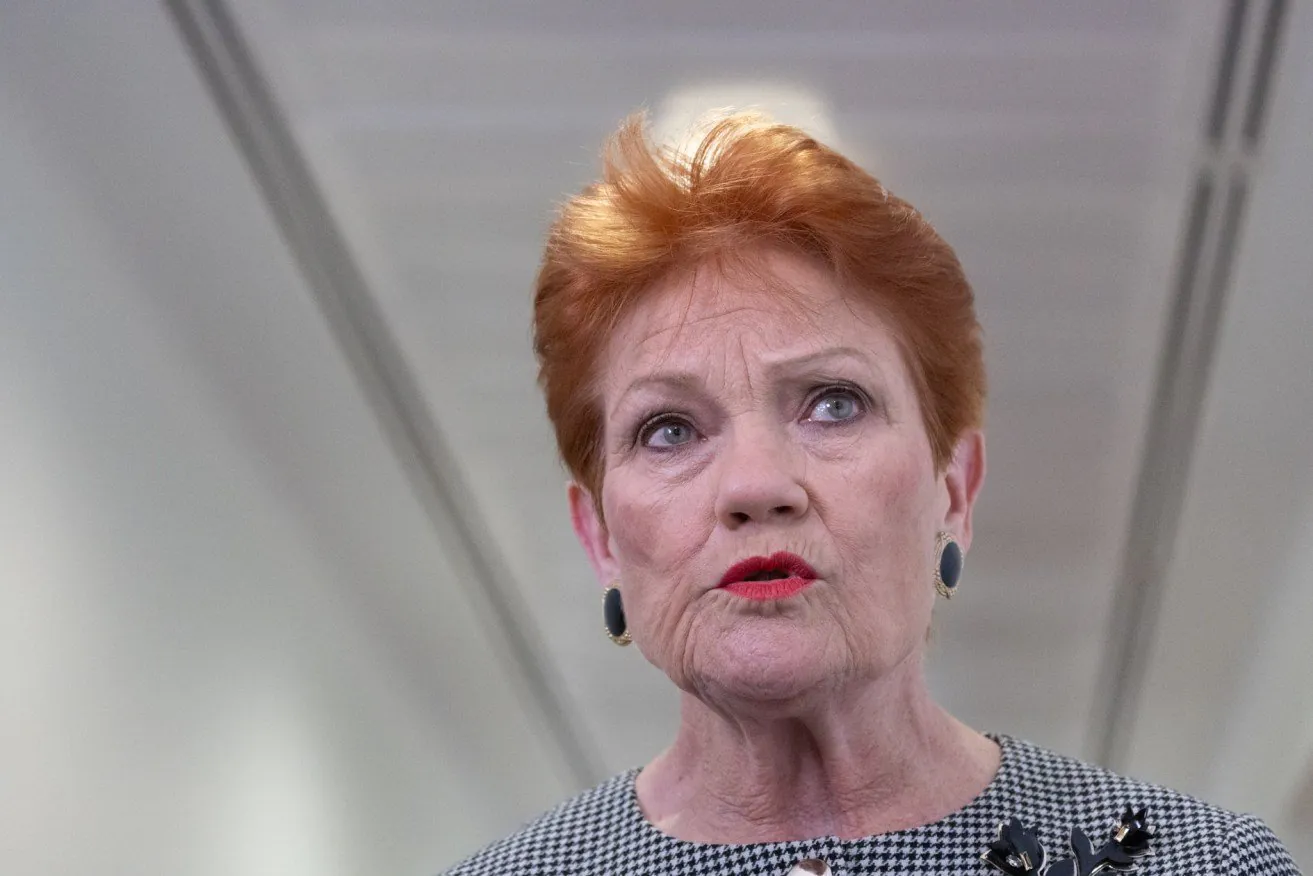
The Coalition and One Nation are now pushing for a significant cut to the excise, arguing it would undercut the black market and reduce organised crime.

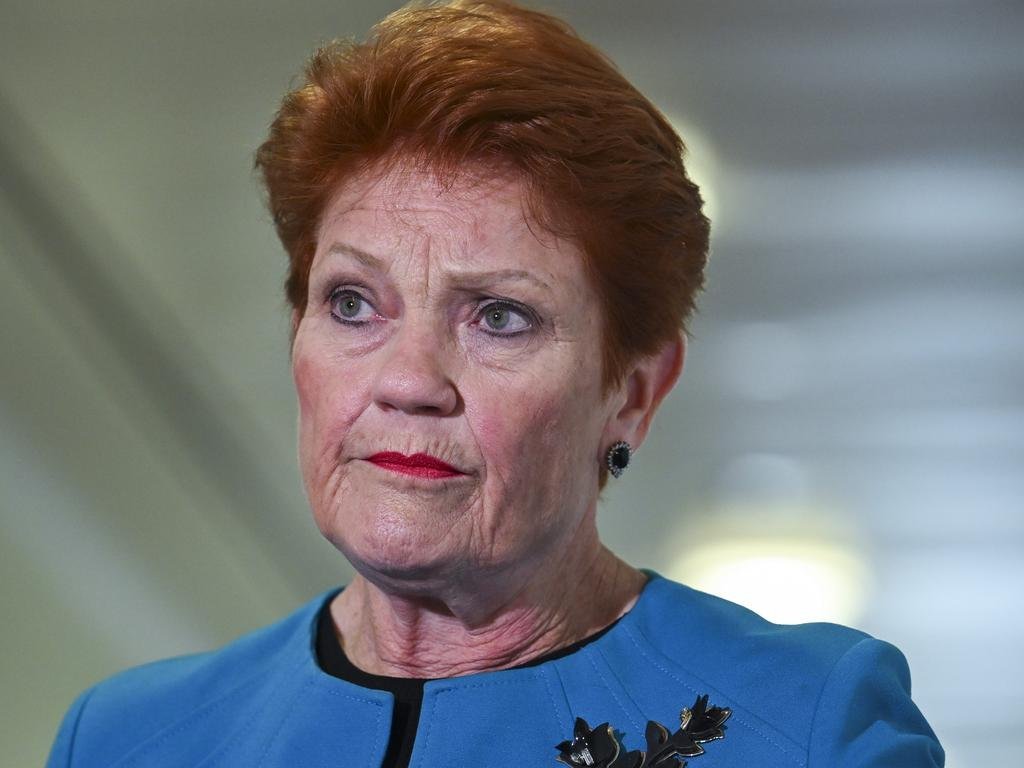

But health advocates warn that such a move would undermine years of progress on smoking rates, which have consistently been linked to excise price hikes.
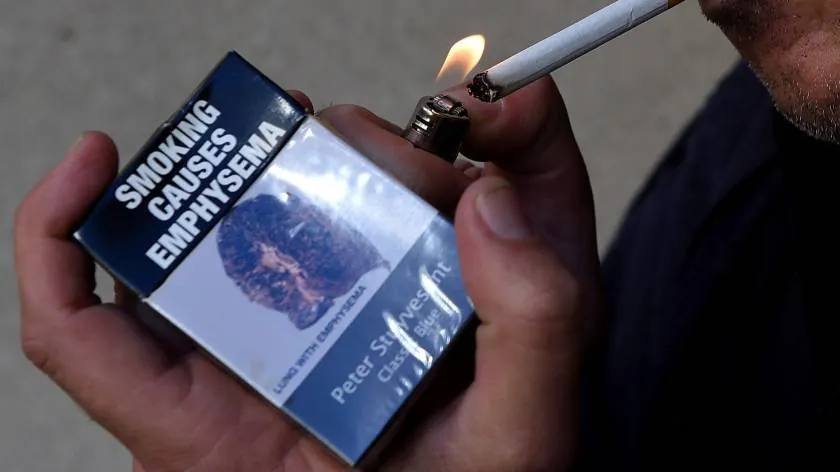
So how did Australia get to this point? The answer lies in the country’s ‘war on smoking’, which began in earnest in 2010 with a 25% increase to the excise.
The move was part of a broader anti-smoking agenda, which included the introduction of plain packaging and a series of annual excise hikes. While the strategy has been successful in reducing smoking rates, it has also had an unintended consequence: a booming illicit tobacco trade.
Analysis: What This Means for Australia
The illicit tobacco crisis has significant implications for Australia’s national security, law enforcement, and public health. The black market is estimated to be worth billions of dollars, with organised crime groups reaping the profits.
The crisis also has a devastating impact on the federal budget, with Treasury estimating that tax income from legal sales will fall to just $2.14 billion by the end of the decade.
Law enforcement experts warn that the high profit margins in the black market make it difficult to deter organised criminals through border seizures alone. Instead, they argue that a comprehensive approach is needed, including tougher enforcement measures, innovative policies, and a rethink on tax policy.
Security analysts say that the illicit tobacco crisis is a classic example of the ‘iron law of prohibition’, where a well-intentioned policy has the unintended consequence of creating a lucrative black market.
They argue that a more nuanced approach is needed, one that balances the need to reduce smoking rates with the need to tackle organised crime.
As the debate over the tobacco excise continues, one thing is clear: Australia’s illicit tobacco crisis is a complex problem that requires a comprehensive solution.
With the black market showing no signs of slowing down, it’s time for politicians to think outside the box and come up with a new strategy to tackle this national crisis.