Breaking Silence: Indigenous Leader Mick Mundine Faces Child Sexual Assault Charges as Victim Speaks Out After 40 Years
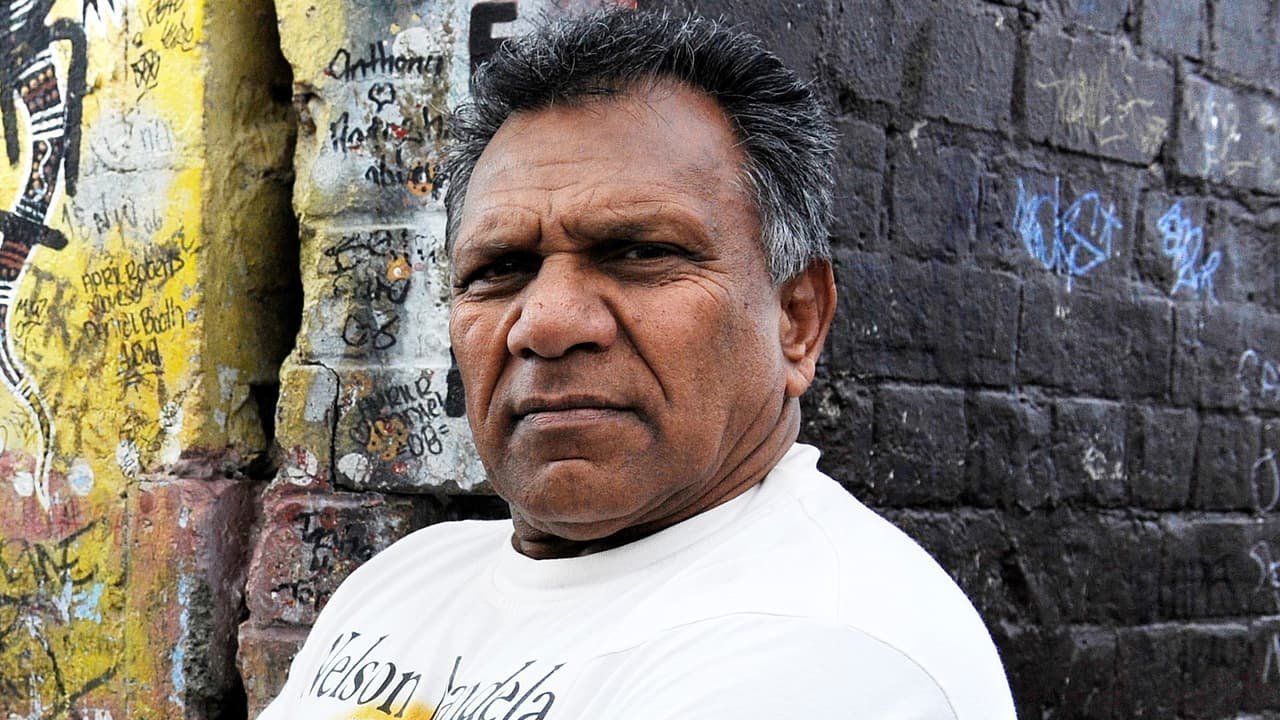
- Prominent Indigenous elder Mick Mundine, 79, has been accused of child sexual assault by City of Sydney councillor Yvonne Weldon, who has come forward as the complainant in the case.
- The alleged abuse took place in Redfern in 1986, when the victim was just 15 years old, and has left a lasting impact on her life, with her saying she has “carried this for 40 years”.
- Mr Mundine, the chief executive of the Aboriginal Housing Company, has been charged with sexual assault and sexual assault of a person under the age of 16, and is due to face a Sydney court next week.
- The case has sparked a call to action for other survivors of abuse to speak out and seek support, with Cr Weldon saying “it is never too late to speak up” and that she came forward to “break the culture of silence that allows abuse to continue”.
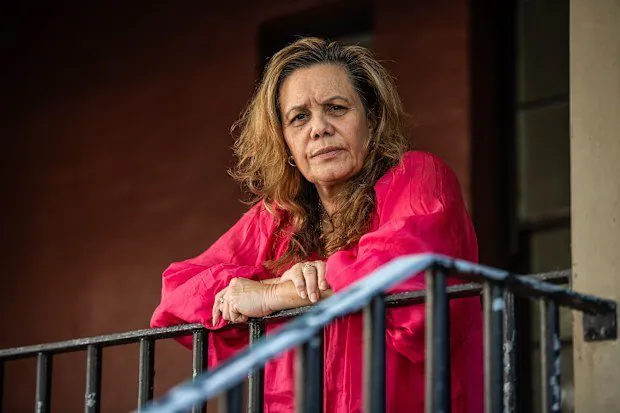
The revelation that City of Sydney councillor Yvonne Weldon is the complainant at the centre of the historical child sexual assault charges against prominent Indigenous elder Mick Mundine has sent shockwaves through the community.
The alleged abuse, which took place in Redfern in 1986, has had a profound impact on Cr Weldon’s life, with her saying she has “carried this for 40 years” before finally finding the courage to speak out.
Mr Mundine, 79, was arrested on Thursday by the Sex Crimes Squad and charged with sexual assault and sexual assault of a person under the age of 16.
He was granted police bail and is due to face the Downing Centre Local Court next week.
The allegations against Mr Mundine are a stark reminder of the devastating consequences of child sexual abuse and the importance of holding perpetrators to account, no matter how long ago the abuse took place.



The case against Mr Mundine is a complex and sensitive one, with far-reaching implications for the Indigenous community and beyond.
To understand the context of the allegations, it is essential to examine the broader social and cultural factors that have contributed to the silence and shame that often surrounds child sexual abuse.
The fact that Cr Weldon has come forward after 40 years is a testament to her courage and a reminder that it is never too late to seek justice and support.
As child sexual abuse continues to be a pervasive issue in Australian society, it is crucial that we create an environment where victims feel empowered to speak out and seek help.
As the case against Mr Mundine unfolds, it is likely to raise important questions about the handling of historical child sexual abuse allegations and the support services available to victims.
Security analysts say that the fact that Mr Mundine was able to hold a position of power and influence for so long, despite the allegations against him, highlights the need for greater accountability and scrutiny of those in positions of authority.
Furthermore, law enforcement insiders warn that the case may have significant implications for law enforcement and child protection services in Australia, particularly in relation to the handling of historical abuse allegations.
Analysis: What This Means for Australia
The allegations against Mr Mundine have significant implications for Australia, particularly in relation to national security and community safety.
The fact that a prominent Indigenous leader has been accused of child sexual abuse highlights the need for greater awareness and education about the issue, as well as the importance of creating a culture where victims feel empowered to speak out.
According to Australian Bureau of Statistics, child sexual abuse is a pervasive issue in Australian society, with significant consequences for victims and their families. As such, it is essential that we take a proactive approach to preventing child sexual abuse and supporting those affected by it.
Industry observers believe that the case against Mr Mundine may have significant economic and social consequences, particularly in relation to the Indigenous community.
The alleged abuse took place in Redfern, a suburb with a high proportion of Indigenous residents, and may have had a lasting impact on the community.
As such, it is essential that we provide ongoing support and resources to those affected by the allegations, as well as to the broader Indigenous community.
This may involve increasing funding for community services and support programs, as well as providing greater support for victims of child sexual abuse.
In conclusion, the allegations against Mr Mundine are a stark reminder of the devastating consequences of child sexual abuse and the importance of holding perpetrators to account.
As the case unfolds, it is likely to raise important questions about the handling of historical child sexual abuse allegations and the support services available to victims.
By examining the broader social and cultural factors that have contributed to the silence and shame surrounding child sexual abuse, we can work towards creating a safer and more supportive environment for all Australians.
Ultimately, the case against Mr Mundine highlights the need for greater awareness and education about child sexual abuse, as well as the importance of creating a culture where victims feel empowered to speak out.
By working together, we can prevent child sexual abuse and support those affected by it, creating a brighter and safer future for all Australians.
As Australian Federal Police and other law enforcement agencies continue to investigate the allegations against Mr Mundine, it is essential that we remain vigilant and committed to creating a society where child sexual abuse is never tolerated.