Australia Rejects Russian Fuel Deal As Donald Trump Secures Controversial Diesel Supply Agreement With Vladimir Putin
- Australia’s Energy Minister Chris Bowen has slammed the deal, saying the country “doesn’t need or want Russian fuel” and is committed to preventing Russia from benefiting from its invasion of Ukraine.
- Analysts have cast doubt on the effectiveness of the agreement, warning it will not lead to sustained lower fuel prices in the US and may even have unintended consequences for global markets.
- The deal has sparked outrage from Ukrainian President Volodymyr Zelenskiy, who accused the US of giving “gifts to Putin” that will only lead to further “terror and perfidy” from Russia.
- The agreement has also raised concerns about the potential impact on Australia’s national security and energy independence, with experts warning that the country must be cautious not to rely on volatile international markets for its fuel needs.
The controversy surrounding the diesel supply agreement between the US and Russia has sparked a heated debate about the implications for Australia’s energy security and national interests.
Despite the US signing sweeping sanctions against Russia last month, Donald Trump has announced a deal with Vladimir Putin to supply over 300,000 metric tonnes of diesel to the US and global markets.
This move has been met with criticism from Australia’s Energy Minister Chris Bowen, who has reiterated the country’s commitment to preventing Russia from benefiting from its invasion of Ukraine.
The core of the issue lies in the fact that the US is seeking to address its own energy needs, while Australia is focused on maintaining its energy independence and security.
The deal has also raised questions about the potential consequences for global fuel prices, with analysts warning that the agreement may not lead to sustained lower prices in the US.
Furthermore, the move has sparked outrage from Ukrainian President Volodymyr Zelenskiy, who has accused the US of giving “gifts to Putin” that will only lead to further “terror and perfidy” from Russia.




To understand the deeper context of this issue, it is essential to delve into the history of the conflict between Russia and Ukraine, as well as the global energy landscape.
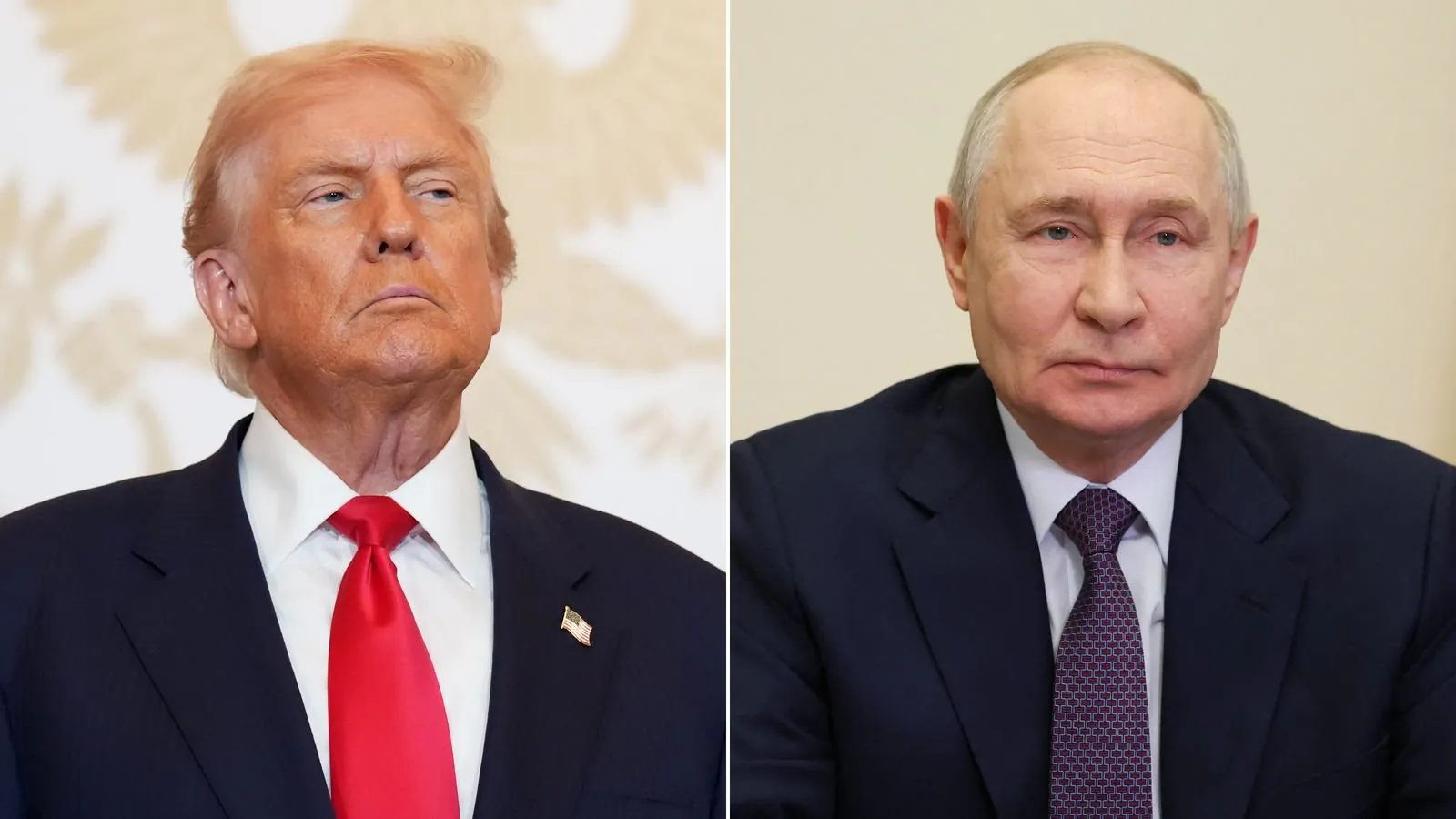
The war in Ukraine has triggered a severe global fuel supply crunch, pushing average US diesel prices to record highs. The US has been seeking to address its energy needs, while Australia has been focused on maintaining its energy independence and security.
The deal between the US and Russia has raised concerns about the potential impact on Australia’s national security and energy independence, with experts warning that the country must be cautious not to rely on volatile international markets for its fuel needs.
Analysis: What This Means for Australia is that the country must be vigilant in its approach to energy security and national interests.
The deal between the US and Russia has significant implications for Australia’s energy landscape, and the country must be cautious not to rely on volatile international markets for its fuel needs.
Security analysts say that Australia must prioritize its energy independence and security, while also being mindful of the potential consequences of the US-Russia deal on global fuel prices.
Law enforcement insiders warn that the deal may have unintended consequences for Australia’s national security, particularly if the country becomes reliant on Russian fuel supplies.
Industry observers believe that the deal is a short-term solution to a long-term problem, and that the US and Australia must work together to address the underlying issues driving the global fuel supply crunch.
Experts warn that the deal may not lead to sustained lower fuel prices in the US, and that the country must be prepared for potential price spikes in the future.
As the global energy landscape continues to evolve, Australia must remain vigilant and proactive in its approach to energy security and national interests.
energy crisis and national security are critical concerns for Australia, and the country must be mindful of the potential implications of the US-Russia deal on these issues.
Meanwhile, Australian Bureau of Statistics data shows that Australia’s energy imports have increased significantly in recent years, highlighting the need for the country to prioritize its energy independence and security.
In conclusion, the deal between the US and Russia has significant implications for Australia’s energy landscape and national security.
As the country navigates this complex and evolving landscape, it is essential to prioritize energy independence and security, while also being mindful of the potential consequences of the US-Russia deal on global fuel prices.
By taking a proactive and vigilant approach to energy security and national interests, Australia can mitigate the risks associated with the deal and ensure a stable and secure energy future for its citizens.
The situation is being closely monitored by Australian Federal Police and Australian Security Intelligence Organisation, who are working to assess the potential implications of the deal on Australia’s national security.