Australian Connection to Alleged Flydubai Hijacking: How a Melbourne Mosque May Have Played a Role in Radicalising a Would-Be Terrorist
- A 29-year-old Omani national, accused of attempting to hijack a flydubai plane, was allegedly radicalised while studying in Melbourne and attending a local mosque.
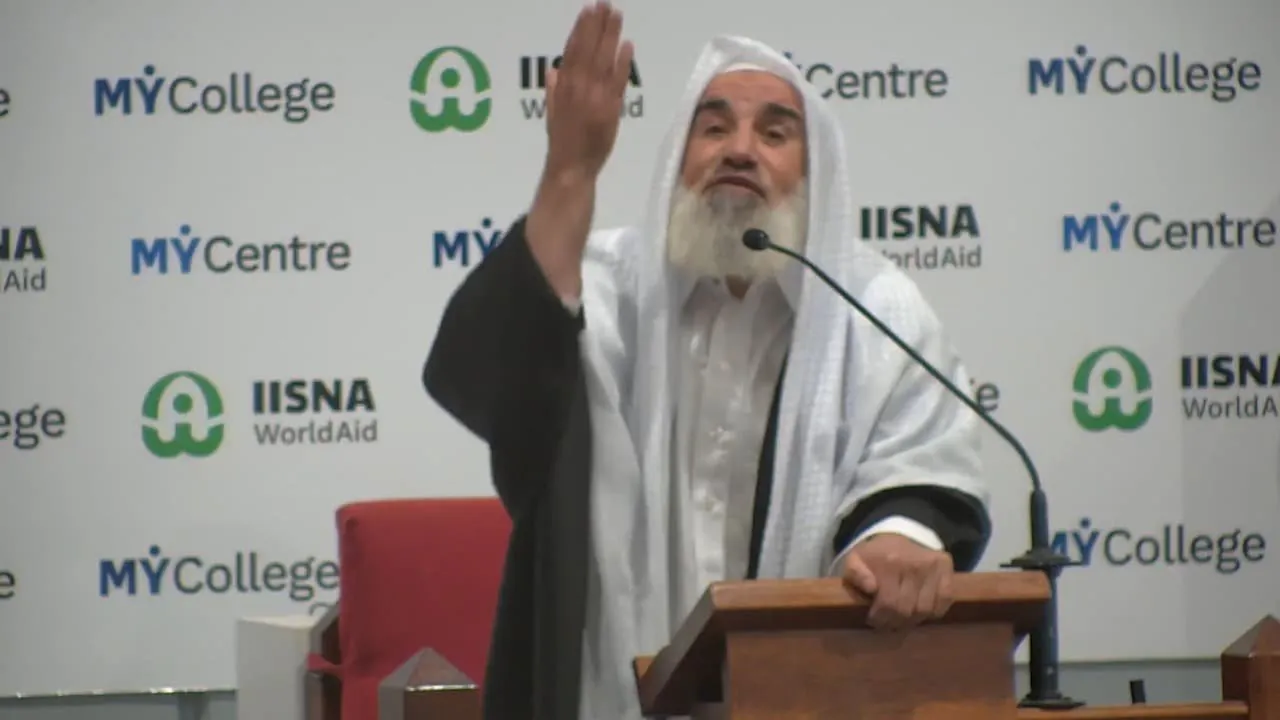
- The suspect, Hammam Al-Hammami, is said to have become acquainted with individuals linked to the My Centre mosque in Broadmeadows, where the imam, Samir Mohtadi, has responded to the allegations with a cryptic social media message.
- The alleged hijacking attempt, which was thwarted by passengers and crew members, has raised concerns about the potential for radicalisation in Australian communities and the need for increased vigilance in preventing such incidents.
- The Australian Federal Police (AFP) has launched an investigation into Al-Hammami’s time in Australia, as authorities seek to understand how he became inspired by extremist ideologies and planned the alleged attack.
The shocking allegations surrounding the attempted hijacking of a flydubai plane have sent shockwaves around the world, with authorities in the United Arab Emirates revealing that the suspect was radicalised while studying in Melbourne.
The 29-year-old Omani national, Hammam Al-Hammami, is accused of attacking his co-pilot with an axe in a bid to take control of the plane and crash it into Ben Gurion Airport in Tel Aviv, Israel.
The incident has raised serious concerns about the potential for radicalisation in Australian communities and the need for increased vigilance in preventing such incidents.

According to the Emirati attorney-general, Al-Hammami began to “drift towards extremism and terrorism” while studying in Melbourne, where he became acquainted with individuals linked to the My Centre mosque in Broadmeadows.
The mosque’s imam, Samir Mohtadi, has responded to the allegations with a cryptic social media message, invoking Jesus and Mary and suggesting that “the righteous will always be attacked”.


Mohtadi’s comments have done little to alleviate concerns about the potential for radicalisation at the mosque, which has received funding from the federal government for its community programs.
The alleged hijacking attempt has sparked a wider debate about the roots of extremism and the role of social media in spreading radical ideologies.
Al-Hammami is said to have been inspired by the September 11 terror attacks and had prepared himself “both psychologically and physically” to carry out the plot by intensifying his exposure to material promoting terrorism.
The incident has also raised questions about the effectiveness of Australia’s counter-terrorism strategies and the need for increased cooperation between law enforcement agencies and community groups to prevent radicalisation.
As the investigation into Al-Hammami’s time in Australia continues, authorities are working to understand how he became radicalised and what role the My Centre mosque may have played in his transformation.
The Australian Federal Police (AFP) has launched an investigation into the matter, and Victoria Police are also involved in the inquiry.
The incident has sparked a renewed focus on the importance of community-led initiatives to prevent radicalisation and the need for increased funding for programs that promote social cohesion and counter-extremism.
Analysis: What This Means for Australia
The alleged hijacking attempt has significant implications for Australia’s national security and highlights the need for increased vigilance in preventing radicalisation.
The incident has raised concerns about the potential for extremist ideologies to take hold in Australian communities and the need for community-led initiatives to prevent radicalisation.
Security analysts say that the incident highlights the importance of cooperation between law enforcement agencies and community groups to prevent radicalisation and that a more nuanced approach is needed to address the root causes of extremism.
Law enforcement insiders warn that the incident is a wake-up call for Australia’s counter-terrorism strategies and that more needs to be done to prevent radicalisation in the community.
Expert commentary on the incident has highlighted the need for a more comprehensive approach to counter-terrorism, one that takes into account the complex social and economic factors that contribute to radicalisation.
Industry observers believe that the incident is a reminder that the threat of terrorism is ever-present and that Australia must remain vigilant in its efforts to prevent radicalisation.
As the investigation into Al-Hammami’s time in Australia continues, it is clear that the alleged hijacking attempt will have significant implications for Australia’s national security and its approach to counter-terrorism.
The incident has also sparked a renewed focus on the importance of community-led initiatives to prevent radicalisation and the need for increased funding for programs that promote social cohesion and counter-extremism.
The Islamic community in Australia has been quick to condemn the alleged hijacking attempt, with the Islamic Council of Victoria president, Mohamed Mohideen, stating that the community “condemns all forms of extremism”.
The Australian Federal Police has also launched an investigation into the matter, and Victoria Police are also involved in the inquiry.
As the investigation continues, it is clear that the alleged hijacking attempt will have significant implications for Australia’s national security and its approach to counter-terrorism.