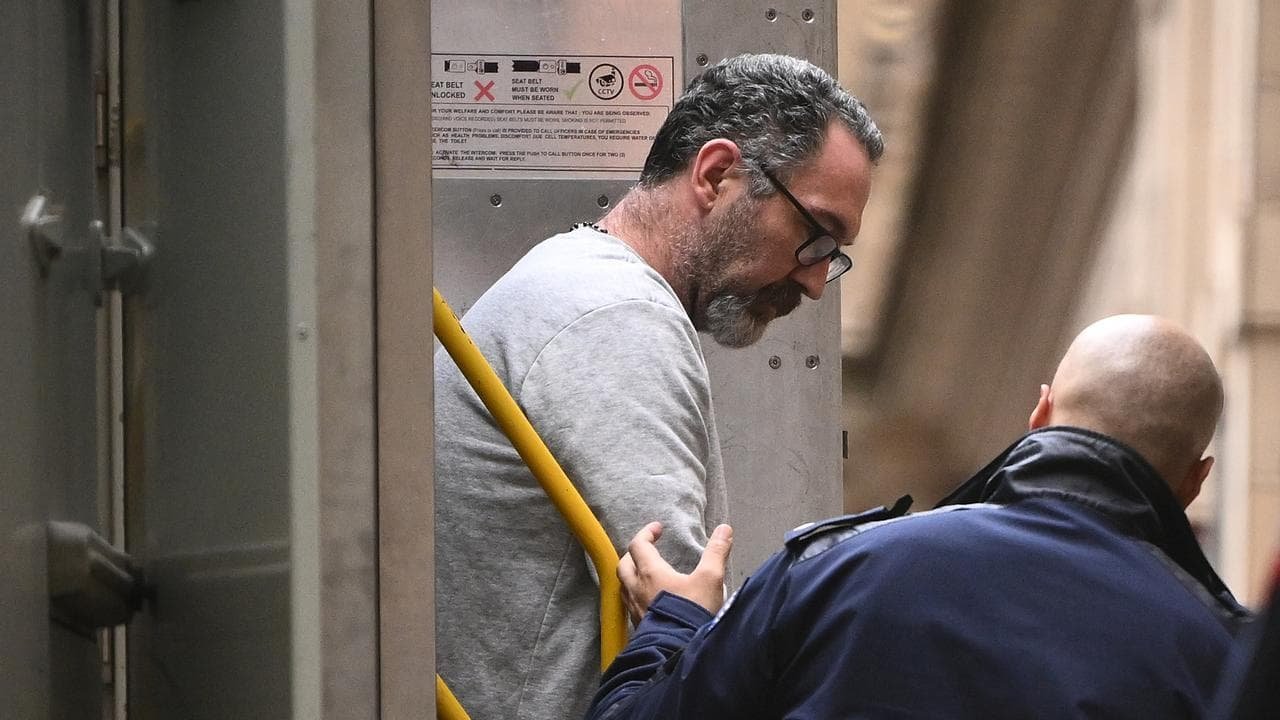
Chilling Murder Exposes Dark Family Secrets: Man Jailed for 24 Years Over Brutal Slaying of Frail Uncle
- A 44-year-old man has been sentenced to 24 years in prison for the brutal murder of his uncle, who he accused of physical and sexual abuse
- The victim, a 63-year-old man with Parkinson’s disease, was strangled to death with a telephone cable in his own home
- The killer, who has a history of complex post-traumatic stress disorder, depression, and cannabis dependence, pleaded guilty to murder and will be eligible for parole after 17 years
- The case has raised questions about the impact of childhood trauma and abuse on mental health and the effectiveness of the justice system in addressing these issues
The shocking murder of a frail uncle by his nephew has sent shockwaves through a small Victorian town, exposing a web of dark family secrets and a history of abuse.
Jethro Curtis, 44, was sentenced to 24 years in prison for the brutal slaying of his uncle, Stephen Curtis, 63, who suffered from Parkinson’s disease. The attack, which occurred on January 18, was particularly disturbing, with Curtis using a telephone cable to strangle his uncle to death.
The events leading up to the murder were equally alarming, with Curtis contacting his uncle’s wife the day before to warn her that Stephen’s “days were numbered.” He then spent the evening of January 18 consuming a cocktail of cannabis, methamphetamine, and prescription anti-psychotic medication before launching the fatal attack.

After killing his uncle, Curtis logged into Stephen’s bank account and transferred $5000 into his own account, before stealing his car and fleeing the scene.
As the investigation into the murder unfolded, it became clear that Curtis had a troubled and depraved upbringing, marked by abuse, violence, and drug use.

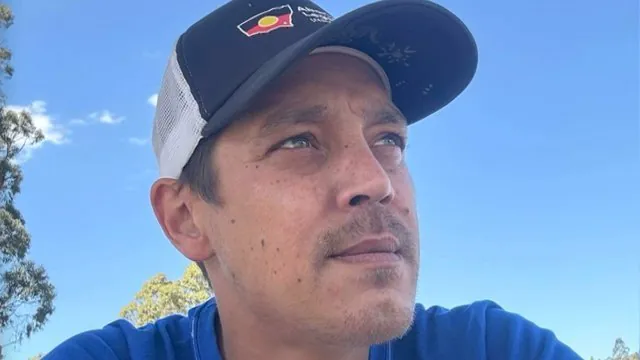

His mother, who was notified of the murder by Curtis himself, called triple zero, and paramedics arrived at the scene to find Stephen’s body covered in a shower curtain.
Curtis was later arrested in the Melbourne beachside suburb of Seaford, where he immediately admitted to the crime, telling detectives that he had “snapped” and believed his uncle was a child molester.
The case has raised important questions about the impact of childhood trauma and abuse on mental health, and the effectiveness of the justice system in addressing these issues.
While Curtis’s sentence reflects the seriousness of the crime, it also acknowledges the complexities of his upbringing and the need for support and rehabilitation.
As mental health experts point out, the consequences of untreated trauma can be devastating, and it is crucial that we provide adequate resources and support to those affected.
Security analysts say that the case highlights the need for increased awareness and education about the warning signs of abuse and the importance of reporting suspicious behavior.
Law enforcement insiders warn that the ease with which Curtis was able to access his uncle’s bank account and steal his car raises concerns about the effectiveness of our law enforcement systems in preventing and responding to crime.
Industry observers believe that the case also underscores the need for greater investment in community programs aimed at supporting vulnerable individuals and families.
Analysis: What This Means for Australia
The murder of Stephen Curtis has significant implications for national security and law enforcement in Australia.
The fact that Curtis was able to carry out such a brutal attack, despite his history of mental health issues and substance abuse, raises concerns about the effectiveness of our mental health system in identifying and supporting at-risk individuals.
Furthermore, the ease with which Curtis was able to access his uncle’s bank account and steal his car highlights the need for increased vigilance and cooperation between financial institutions and law enforcement agencies.
From a community perspective, the case underscores the importance of community engagement and education in preventing and responding to crime.
By working together to raise awareness about the warning signs of abuse and the importance of reporting suspicious behavior, we can help to create safer and more supportive communities for all.
As Australian Bureau of Statistics data shows, the impact of crime on individuals and communities can be devastating, and it is crucial that we take a proactive and collaborative approach to addressing these issues.
As the nation grapples with the complexities of this case, one thing is clear: the need for a comprehensive and multifaceted approach to addressing the root causes of crime and supporting vulnerable individuals and families.
By investing in education and awareness programs, community support services, and law enforcement initiatives, we can work towards creating a safer and more just society for all Australians.
Ultimately, the sentence handed down to Jethro Curtis serves as a stark reminder of the devastating consequences of untreated trauma and the importance of providing support and rehabilitation to those affected.