Australia’s Welcome To Country Ceremonies Under Fire After Booing Incident Sparks National Debate On Racism And Division
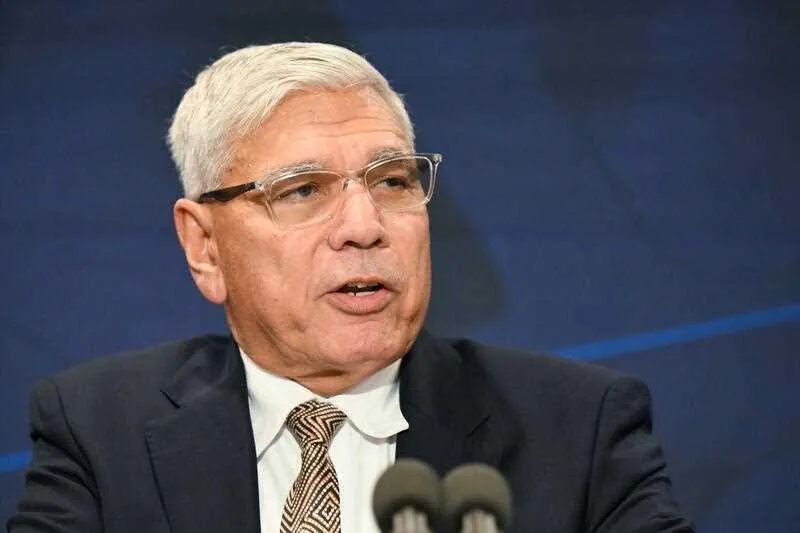
- Indigenous leader Warren Mundine calls for the removal of Welcome to Country ceremonies from sporting events, citing overuse and politicisation
- Booing of Wurundjeri elder Uncle Colin Hunter Jr at the Australia Cup final sparks outrage and demands for accountability from anti-racism campaigners
- Sporting bodies and national leaders urged to reconsider their approach to reconciliation and focus on bringing Australians together
- Incident highlights deepening divisions in Australian society and raises questions about the role of Welcome to Country ceremonies in promoting unity and respect
The recent booing of a Wurundjeri elder at the Australia Cup final has sparked a national debate about the role of Welcome to Country ceremonies in Australian society.
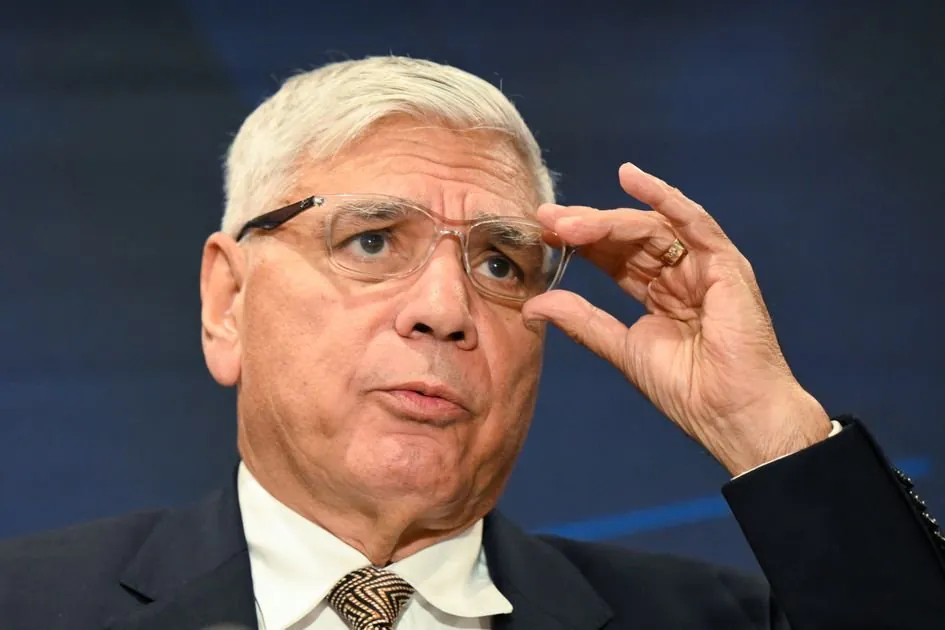
Indigenous leader Warren Mundine has weighed into the controversy, calling for the removal of these ceremonies from sporting events.
Mundine, a Bundjalung man who has been a leading voice on Indigenous issues, believes that the repeated use of Welcome to Country ceremonies has become divisive and is no longer serving its intended purpose of promoting unity and respect.
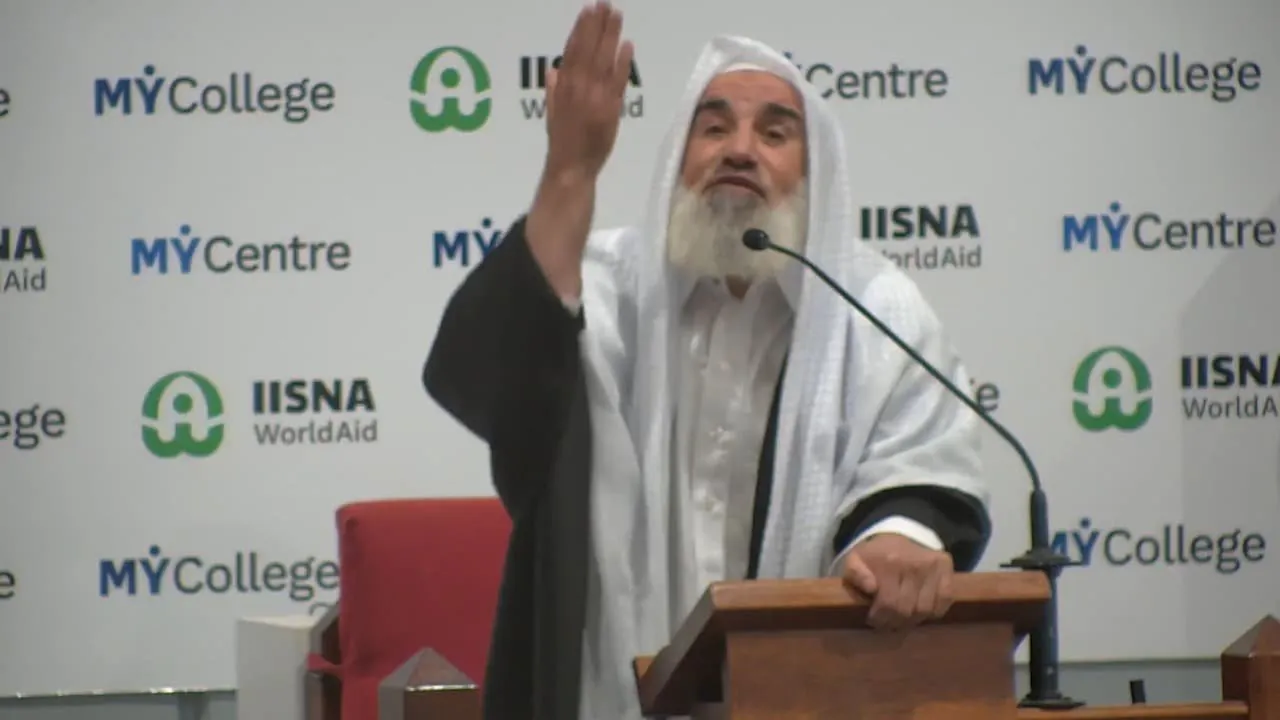
The incident at the Australia Cup final, in which Wurundjeri elder Uncle Colin Hunter Jr was booed by sections of the crowd, has been widely condemned by anti-racism campaigners and sporting bodies.
The Football Supporters Association Australia has described the behaviour as “deeply disappointing” and has stressed the importance of promoting inclusivity and respect in Australian football.



However, Mundine’s comments have sparked a wider debate about the role of Welcome to Country ceremonies in Australian society and whether they have become too politicised.
Mundine’s concerns about the overuse and politicisation of Welcome to Country ceremonies are not new. He has been warning for several years that the repeated use of these ceremonies could provoke a backlash.
His comments have been met with criticism from some quarters, with anti-racism campaigners arguing that the booing incident is a symptom of a deeper problem of racism and intolerance in Australian society.
However, Mundine believes that the focus on Welcome to Country ceremonies has become a distraction from the real issues facing Indigenous Australians and that it is time for a new approach to reconciliation.
The controversy surrounding Welcome to Country ceremonies highlights the complex and often fraught nature of reconciliation in Australia. While these ceremonies were initially intended to promote unity and respect, they have become increasingly politicised and divisive.
The incident at the Australia Cup final has sparked a national debate about the role of these ceremonies in Australian society and whether they are still serving their intended purpose.
As the debate continues, it is clear that there are no easy answers and that a new approach to reconciliation is needed, one that focuses on bringing Australians together and promoting real change.
Security analysts say that the booing incident at the Australia Cup final is a symptom of a deeper problem of racism and intolerance in Australian society.
They argue that the incident highlights the need for a more nuanced approach to reconciliation, one that takes into account the complex history and cultural context of Australia.
Law enforcement insiders warn that the politicisation of Welcome to Country ceremonies has created a toxic environment in which racism and intolerance can thrive. They argue that it is time for a new approach to reconciliation, one that focuses on promoting respect and inclusivity, rather than division and politics.
Analysis: What This Means for Australia
The controversy surrounding Welcome to Country ceremonies has significant implications for Australia.
The incident at the Australia Cup final has highlighted the deepening divisions in Australian society and has sparked a national debate about the role of reconciliation in promoting unity and respect.
The debate has also raised questions about the role of sporting bodies and national leaders in promoting reconciliation and the need for a more nuanced approach to Welcome to Country ceremonies.
As the debate continues, it is clear that there are no easy answers and that a new approach to reconciliation is needed, one that focuses on bringing Australians together and promoting real change.
Industry observers believe that the controversy surrounding Welcome to Country ceremonies is a wake-up call for Australian society.
They argue that the incident at the Australia Cup final has highlighted the need for a more nuanced approach to reconciliation, one that takes into account the complex history and cultural context of Australia.
They also argue that the politicisation of Welcome to Country ceremonies has created a toxic environment in which racism and intolerance can thrive.
As the debate continues, it is clear that there are no easy answers and that a new approach to reconciliation is needed, one that focuses on promoting respect and inclusivity, rather than division and politics.
The incident at the Australia Cup final has also sparked a debate about the role of sport in promoting reconciliation and respect.
Some argue that sport has the power to bring people together and promote unity and respect, while others argue that it can also be a source of division and conflict.
As the debate continues, it is clear that the role of sport in promoting reconciliation is complex and multifaceted.
However, one thing is clear: the incident at the Australia Cup final has highlighted the need for a more nuanced approach to reconciliation, one that takes into account the complex history and cultural context of Australia.
The controversy surrounding Welcome to Country ceremonies has also raised questions about the role of Australian Bureau of Statistics in promoting reconciliation and respect.
The ABS has a critical role to play in providing data and research on Indigenous issues, and its work can help to inform a more nuanced approach to reconciliation.
However, the ABS must also be mindful of the complex and often fraught nature of reconciliation in Australia, and must approach its work with sensitivity and respect.