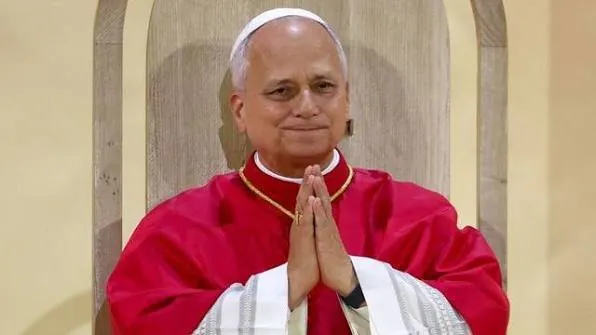
Pope’s Shocking Cancer Diagnosis Sparks Fears for His Future as Vatican Confirms Lung Adenocarcinoma
- Pope Leo undergoes successful thoracic surgery to remove lower lobe of right lung, but cancer diagnosis raises concerns about his health and ability to lead
- Lung adenocarcinoma, a common form of lung cancer, detected during surgery, with doctors warning that prognosis depends on stage and overall health
- Vatican confirms 71-year-old Pope Leo is recovering in hospital, but expert says size of tumour and cancer spread to lymph nodes are critical to determining treatment and outcome
- Cancer diagnosis sparks fears about Pope Leo’s future, with lung cancer having one of the lowest survival rates among common cancers in Australia, according to the Cancer Council
The Vatican has confirmed that Pope Leo has been diagnosed with lung adenocarcinoma, a type of cancer that starts in mucus-producing or glandular cells, after undergoing successful thoracic surgery to remove a growth on his lung.
The 71-year-old Pope Leo was admitted to Rome’s Gemelli hospital on Tuesday for the procedure, which lasted about 90 minutes and was performed using a video-assisted technique.
According to his lead surgeon, Stefano Margaritora, and personal physician, Luigi Carbone, the procedure was successful, with no complications, but the cancer diagnosis has raised concerns about the Pope’s health and ability to lead.

The news of the Pope’s cancer diagnosis has sent shockwaves around the world, with many wondering about the implications for his future and the future of the Catholic Church.
Lung adenocarcinoma is a common form of lung cancer, accounting for about 85 per cent of all lung cancers, according to the Cancer Council. It is often found in the outer part of the lungs and can spread to the lymph nodes, pleura, brain, adrenal glands, liver, and bones.




The prognosis for lung cancer depends on the stage, overall health of the patient, and whether genetic mutations are present, with early detection dramatically increasing the survival rate.
According to the Cancer Australia, lung cancer is the fourth most commonly diagnosed cancer in Australia, with an estimated 15,108 people diagnosed in 2025.
The average age of diagnosis is 72, and more men than women get lung cancer, although rates have steadily decreased among both genders since the 1980s due to falling smoking rates.
However, lung cancer has one of the lowest survival rates among common cancers in Australia, with a five-year survival rate of just 68 per cent for stage 1 lung cancer.
The Australian Institute of Health and Welfare reports that lung cancer is estimated to be the fourth most commonly diagnosed cancer in Australia, with the lowest survival rates among the five most common cancers.
Analysis: What This Means for Australia
The Pope’s cancer diagnosis has significant implications for Australia, particularly in terms of national security and law enforcement.
As the leader of the Catholic Church, the Pope plays a critical role in international diplomacy and geopolitics, and his health and ability to lead could have far-reaching consequences for global stability and security.
Furthermore, the Pope’s diagnosis highlights the importance of cancer research and awareness, particularly in Australia, where lung cancer is a significant public health concern.
The National Health and Medical Research Council and other organisations are working to improve cancer outcomes and reduce the burden of lung cancer on Australian communities.
Security analysts say that the Pope’s health and ability to lead are critical to maintaining stability and security in the region, particularly in the face of rising global tensions and conflicts.
Law enforcement insiders warn that the Pope’s cancer diagnosis could also have implications for Australia’s border control and national security, particularly if his health were to deteriorate further.
Industry observers believe that the Pope’s diagnosis highlights the need for increased investment in cancer research and awareness, particularly in Australia, where lung cancer is a significant public health concern.
As the Pope continues to recover in hospital, the world waits with bated breath to see how his health will impact his ability to lead and the future of the Catholic Church.
The World Health Organization and other global health authorities are working to improve cancer outcomes and reduce the burden of lung cancer on communities around the world.
In Australia, organisations such as the Cancer Council and the Lung Foundation Australia are working to raise awareness and improve outcomes for people affected by lung cancer.