Australia On Brink Of Chaos: Pauline Hanson Warns Of Violent Riots Like France If Mass Migration Isn’t Stopped
- Australia faces a looming crisis as Pauline Hanson warns of violent riots similar to those in France if mass migration continues unchecked
- Protests in France have left a trail of destruction, with over 2,400 arrests and widespread looting, sparking fears of a similar scenario in Australia
- One Nation’s proposal for a net-negative migration plan has sparked debate, with the party calling for a drastic reduction in migration numbers to prevent social unrest
- Australians are increasingly concerned about the impact of migration, with a recent poll showing 52% believe it’s having a negative impact on society today
The warning signs are clear: France is burning, and Australia could be next.
Pauline Hanson’s dire prediction has sent shockwaves throughout the nation, as the One Nation leader claims that mass migration is a ticking time bomb waiting to unleash violent riots on Australian streets.
With protests in France reaching a boiling point, resulting in over 2,400 arrests and widespread destruction, Hanson’s warning is not to be taken lightly. The question on every Australian’s mind is: can we avoid the same fate?
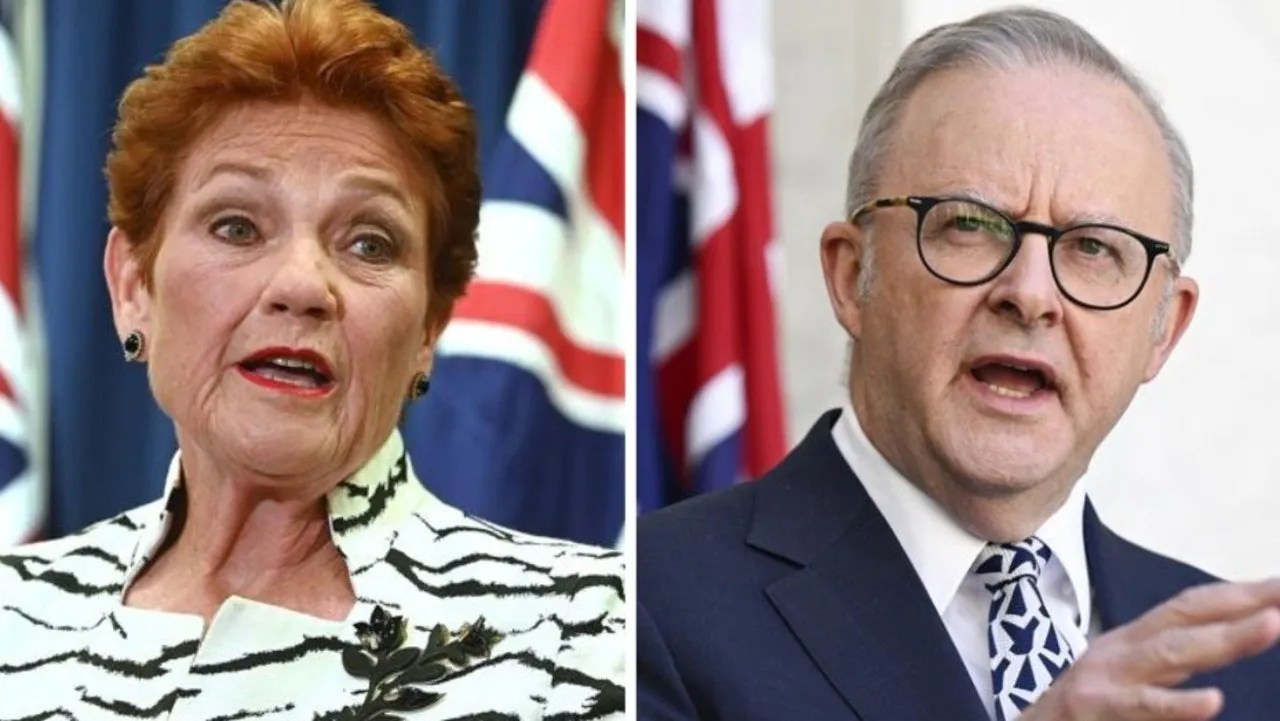
The core of the issue lies in the numbers. Net overseas migration exceeded 500,000 in 2022-23, with the Albanese government’s long-term target set at 225,000.
However, One Nation has proposed a drastic reduction, calling for a net-negative migration plan for three years before re-introducing migration, capped at 130,000.

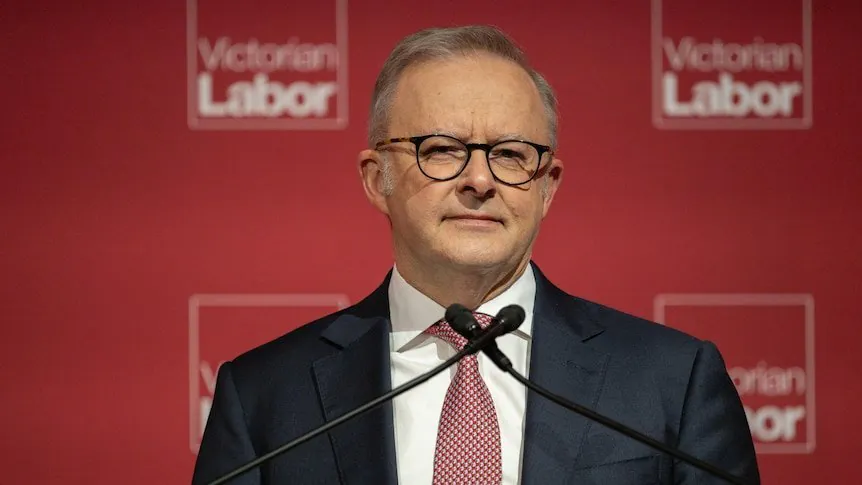


The opposition has also weighed in, with Leader Angus Taylor promising to cut net overseas migration to 100,000. As the debate rages on, one thing is certain: the Australian public is growing increasingly concerned about the impact of migration on their communities.
To understand the depth of the issue, it’s essential to examine the context. France, once a beacon of democracy and freedom, is now grappling with the consequences of mass migration.
The protests, which have been ongoing for almost five weeks, have left a trail of destruction in their wake. The iconic Limoges Town Hall, a symbol of French history and resilience, was torched by rioters, leaving the nation in shock.
As French President Emmanuel Macron pleads for unity, the world watches with bated breath, wondering how such a scenario could unfold in a country renowned for its tolerance and diversity.
Analysis: What This Means for Australia is a critical question that needs to be addressed.
The implications of mass migration on national security, law enforcement, and community cohesion cannot be overstated.
As Security analysts say, the risk of violent riots and social unrest is very real, and the government must take a proactive approach to mitigate these risks.
The economic and social consequences of unchecked migration could be devastating, leading to a breakdown in social cohesion and a rise in extremist ideologies. Law enforcement insiders warn that the current migration numbers are unsustainable, and a drastic reduction is necessary to prevent a crisis.
Industry observers believe that the government’s migration policy is a recipe for disaster, and a more nuanced approach is needed to address the concerns of the Australian public.
The Centre for Independent Studies’ poll on immigration has revealed a growing mistrust of the benefits of migration, with 52% of respondents claiming it’s having a negative impact on society today.
As Parnell Palme McGuinness, a senior fellow at the Centre, notes, “The multicultural bargain is not failing because Australians have stopped believing in it.
It is fraying because both sides increasingly feel they are putting more into the relationship than they are getting back.” The time for action is now, and the government must listen to the concerns of the Australian people to prevent a catastrophe.
As the nation teeters on the brink of chaos, one thing is clear: the status quo is no longer tenable. The Australian government must take a long, hard look at its migration policy and consider the consequences of inaction.
The alternative is a future marked by violence, social unrest, and a breakdown in community cohesion.
The choice is clear: Australia can either learn from the mistakes of France and take proactive steps to address the issue, or it can continue down a path that leads to chaos and destruction.
The clock is ticking, and the nation holds its breath, waiting to see which path the government will choose.
In the end, the decision to address the issue of mass migration is not just a political one, but a moral imperative. The Australian people deserve a safe, secure, and cohesive community, and it’s the government’s duty to deliver.
As the nation navigates this critical juncture, one thing is certain: the consequences of inaction will be severe, and the time for action is now. immigration policy national security Australian Bureau of Statistics