Australia’s Housing Market On Brink Of Collapse: One Nation Vows To Reverse Labor’s ‘Disastrous’ Tax Changes And Protect Negative Gearing For Ordinary Australians
- Pauline Hanson unleashes scathing attack on Albanese government’s budget tax measures, accusing them of crippling the housing market and introducing a ‘death tax’ by stealth
- One Nation pledges to restore full 50 per cent capital gains tax discount and scrap proposed 30 per cent minimum tax on trusts, in a bid to boost investment and home ownership
- Senator Hanson vows to protect negative gearing for Australians with up to two investment properties, saying it’s essential for young people to get a foot on the property ladder
- Over 1,100 households who bought through Labor’s expanded five per cent deposit scheme now owe more than their homes are worth, sparking fears of a housing market meltdown
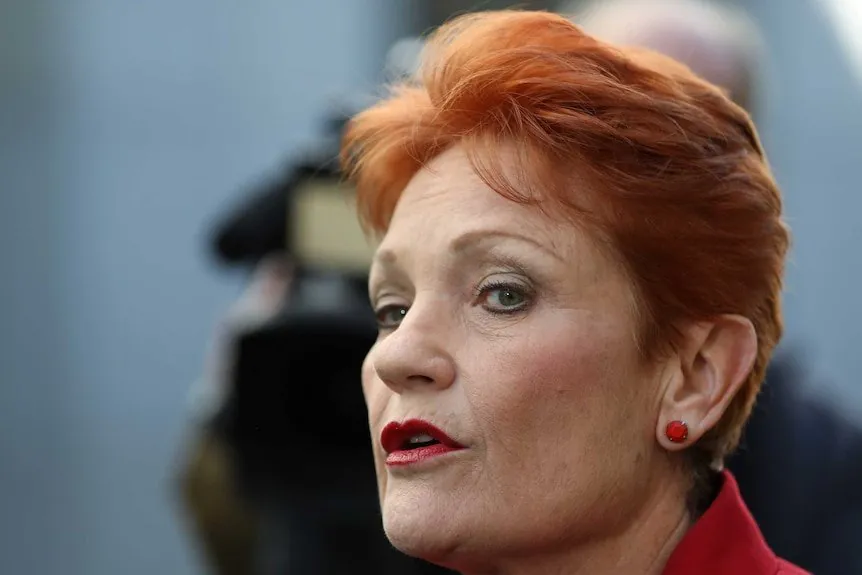
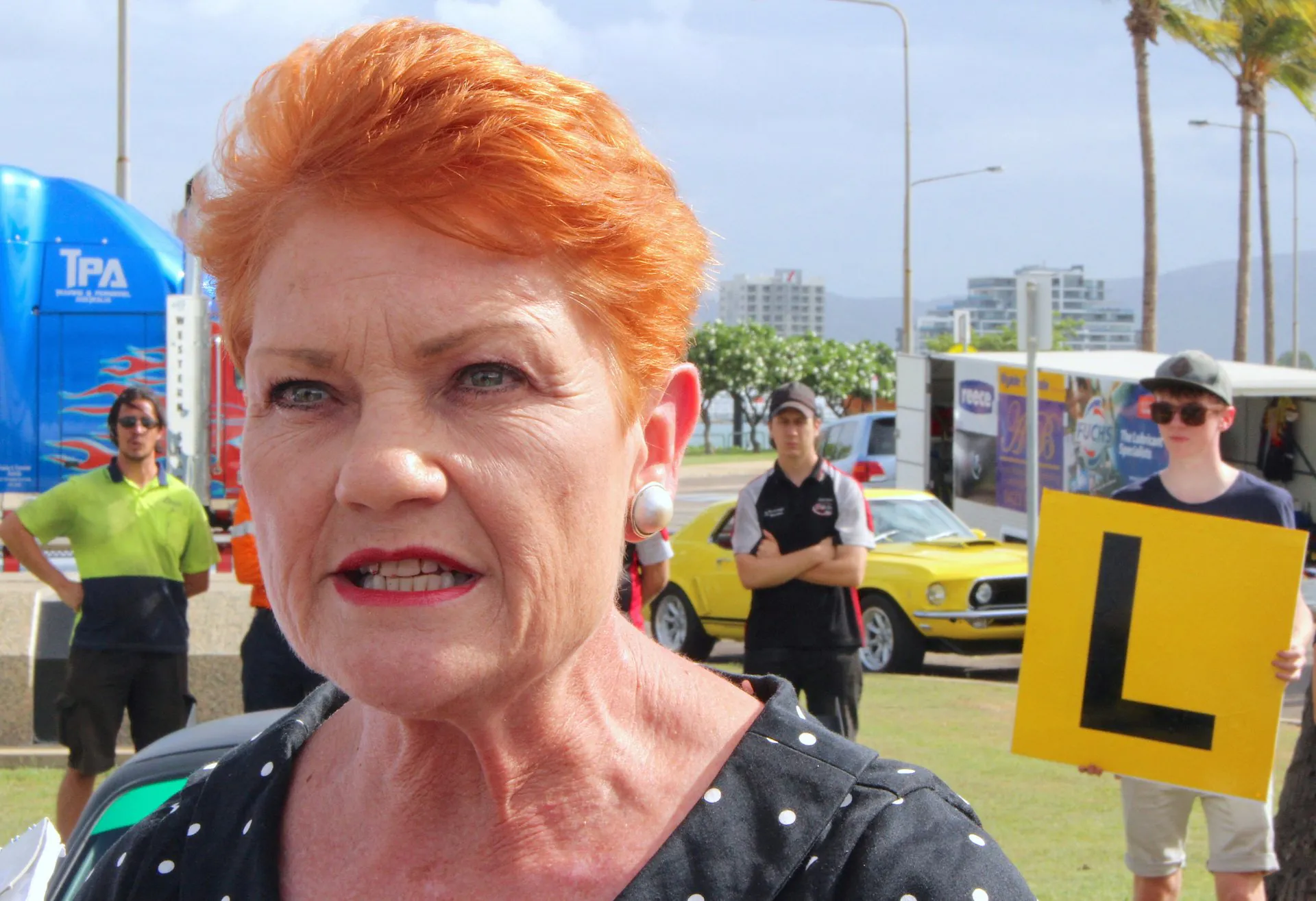
The Australian housing market is teetering on the edge of collapse, with One Nation leader Pauline Hanson launching a blistering attack on the Albanese government’s tax changes.
Senator Hanson has accused Labor of introducing a ‘death tax’ by stealth, crippling the housing market, and breaking promises on negative gearing and capital gains tax.
The One Nation leader has vowed to reverse Labor’s changes to capital gains and trust taxation, while protecting negative gearing for ordinary Australians with no more than two investment properties.
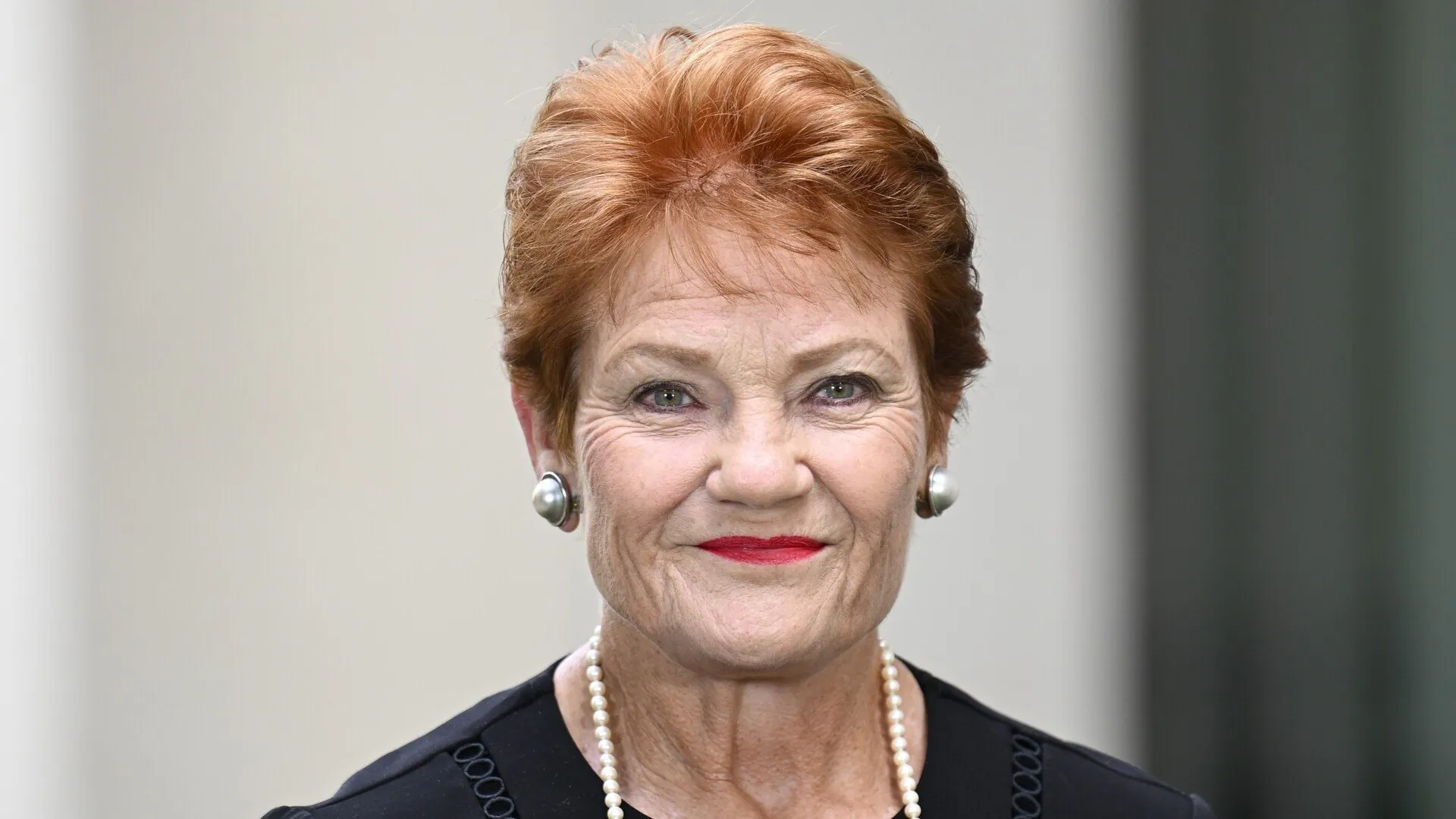
At the heart of the controversy are Labor’s budget tax measures, which One Nation claims have sparked a housing market crisis.
The Albanese government’s decision to limit negative gearing and reduce the capital gains tax discount has been blamed for a sharp decline in property prices, leaving many homeowners owing more than their properties are worth.
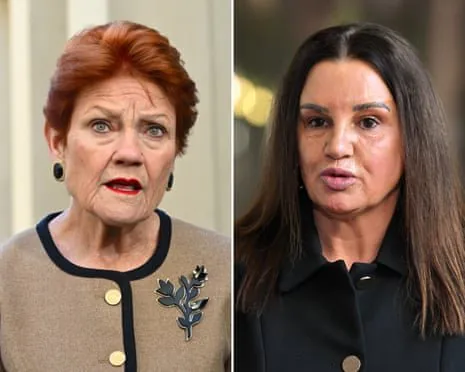

Senator Hanson has seized on this issue, pledging to restore the full 50 per cent capital gains tax discount and scrap the proposed 30 per cent minimum tax on trusts.
This move is designed to boost investment and home ownership, particularly among young Australians who are struggling to get a foot on the property ladder.
To understand the depth of the crisis, it’s essential to look at the history of Australia’s housing market. Over the past few decades, the market has experienced rapid growth, driven by low interest rates, generous tax concessions, and a shortage of housing supply.
However, this growth has also created a number of challenges, including affordability issues, housing shortages, and a growing wealth gap between homeowners and renters.
The current crisis has been exacerbated by Labor’s tax changes, which have reduced the attractiveness of property investment and led to a sharp decline in property prices.
As Senator Hanson noted, ‘Australians should be able to work hard, invest and get ahead. For many young Australians, an investment property was one way they could get a foot into the property market.’
Analysis: What This Means for Australia is that the housing market crisis has significant implications for national security, law enforcement, and community safety.
A collapse of the housing market could lead to a surge in homelessness, increased crime rates, and a decline in community cohesion. Furthermore, the crisis could also have economic consequences, including a decline in consumer spending, a rise in unemployment, and a decrease in economic growth.
As security analysts say, ‘The housing market crisis is a ticking time bomb, and if left unaddressed, it could have far-reaching consequences for Australian communities and the economy as a whole.’ Law enforcement insiders warn that the crisis could also lead to an increase in property-related crimes, such as squatting, vandalism, and theft.
Industry observers believe that One Nation’s plan to reverse Labor’s tax changes and protect negative gearing could help to stabilize the housing market and prevent a complete collapse.
However, others argue that the plan does not go far enough, and that more needs to be done to address the underlying issues driving the crisis.
As housing crisis continues to dominate the headlines, it’s clear that the Australian government needs to take bold action to address the crisis and prevent a catastrophe.
The Australian Bureau of Statistics has warned that the housing market is a key driver of the Australian economy, and that a collapse could have significant consequences for economic growth and stability.
In conclusion, the Australian housing market is at a critical juncture, and the consequences of inaction could be catastrophic.
One Nation’s plan to reverse Labor’s tax changes and protect negative gearing is a step in the right direction, but more needs to be done to address the underlying issues driving the crisis.
As the Australian economy continues to struggle, it’s essential that the government takes bold action to stabilize the housing market and prevent a complete collapse.
The Reserve Bank of Australia has warned that the housing market is a key risk to the economy, and that policymakers need to take a proactive approach to addressing the crisis.