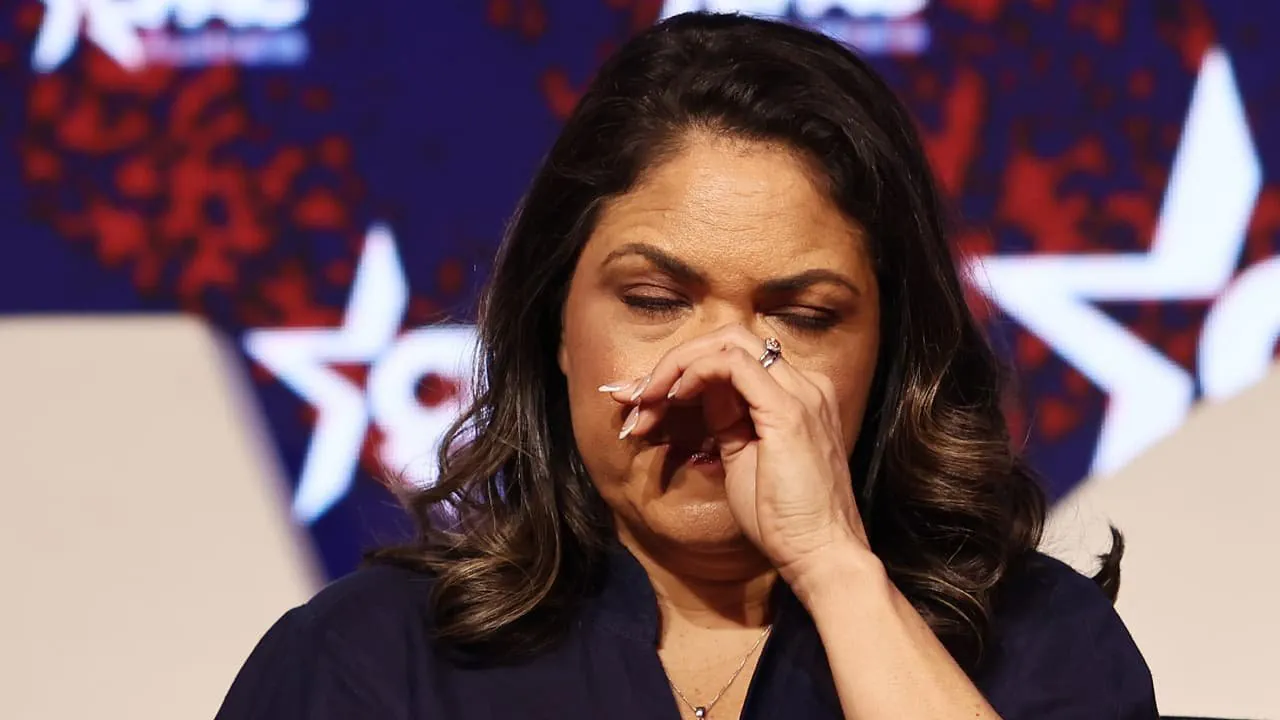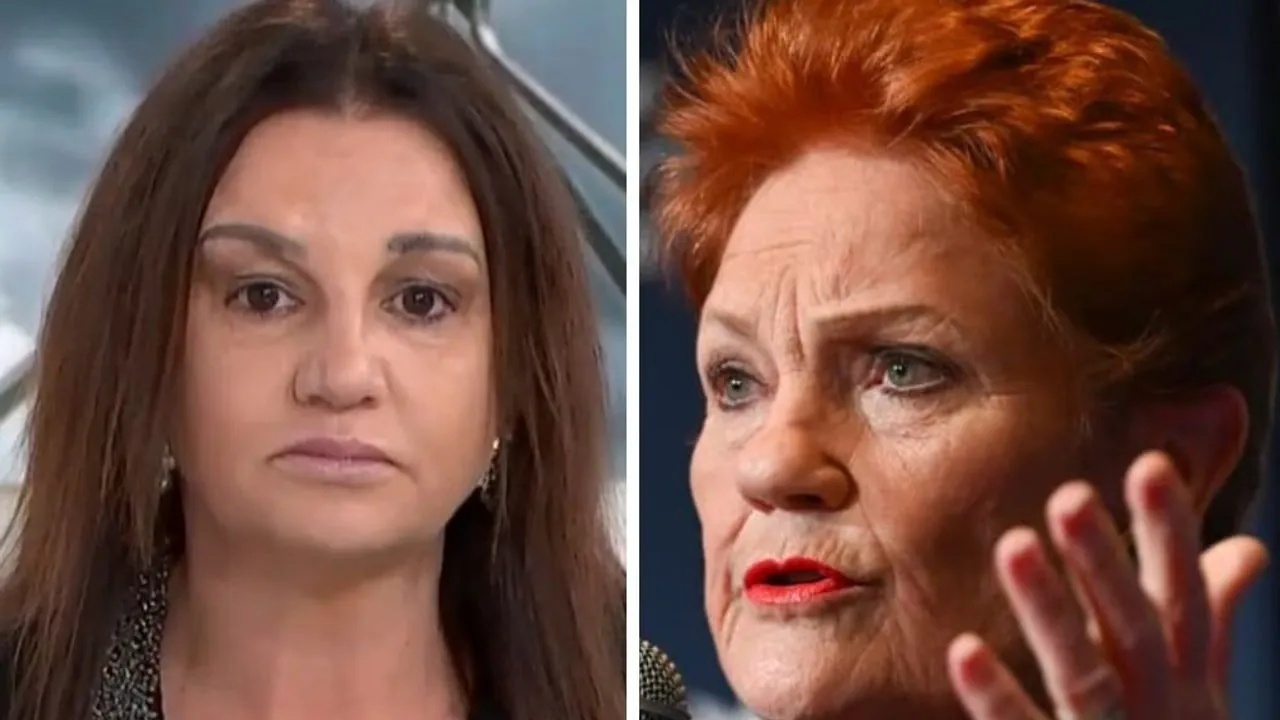
Outrage Over One Nation Cartoon Mocking Jacqui Lambie’s Vaginal Prolapse Sparks Fierce Backlash And Apology From Pauline Hanson
- A satirical cartoon published by One Nation has ignited a firestorm of controversy after it made light of Senator Jacqui Lambie’s struggles with vaginal prolapse, sparking widespread condemnation from politicians across the spectrum.
- One Nation leader Pauline Hanson has apologized for the cartoon, which was widely criticized for trivializing women’s reproductive health issues, after initially telling Senator Lambie to “get over it”.
- The incident has highlighted the stigma surrounding women’s reproductive health and the need for greater sensitivity and respect in public discourse, with many calling for greater accountability from politicians and media outlets.
- The controversy has also raised questions about the limits of satire and the responsibility of political leaders to promote respectful and inclusive public debate, with some arguing that the cartoon crossed a line into bullying and misogyny.
The fallout from the One Nation cartoon has been swift and severe, with politicians from all sides of the political divide condemning the cartoon as tasteless and offensive.
Senator Lambie, who had spoken publicly about her struggles with vaginal prolapse, said the cartoon was a “nasty” and “distasteful” attempt to mock her and other women who have experienced reproductive health issues.
The cartoon, which was published on Pauline Hanson’s social media accounts, depicted Senator Lambie as backing the government’s proposed digital duty of care, with her character making a joke about her prolapsed vagina.
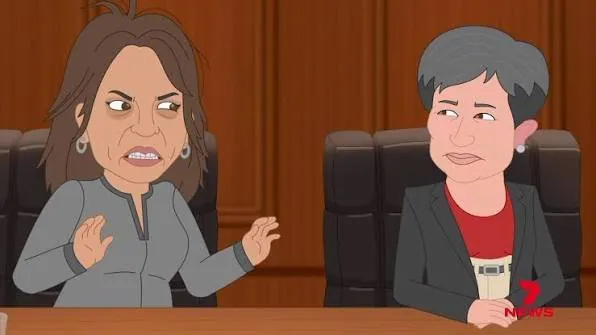
The cartoon was widely criticized for its insensitive and misogynistic humor, with many arguing that it was not satire but rather bullying and harassment.
Pauline Hanson initially defended the cartoon, telling Senator Lambie to “get over it” and saying that it was “satirical”. However, she later apologized for the cartoon, saying that it was not “tastefully done” and that she had not seen it before it was published.
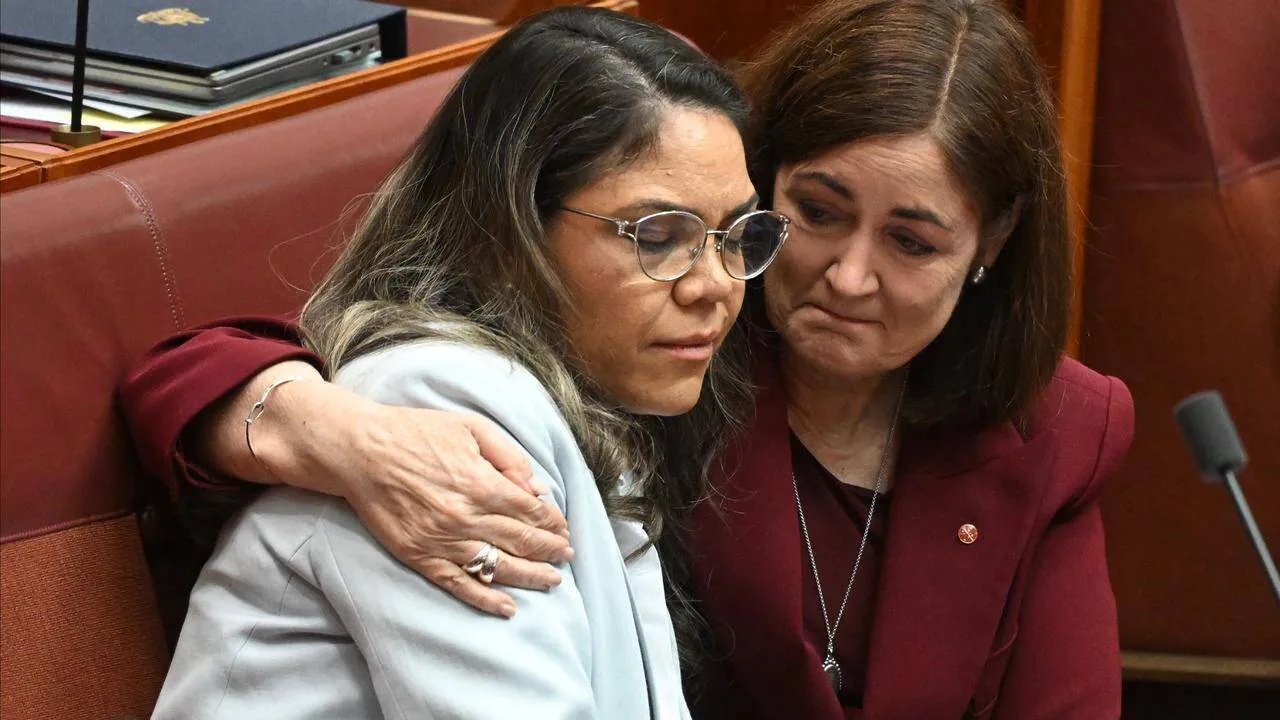

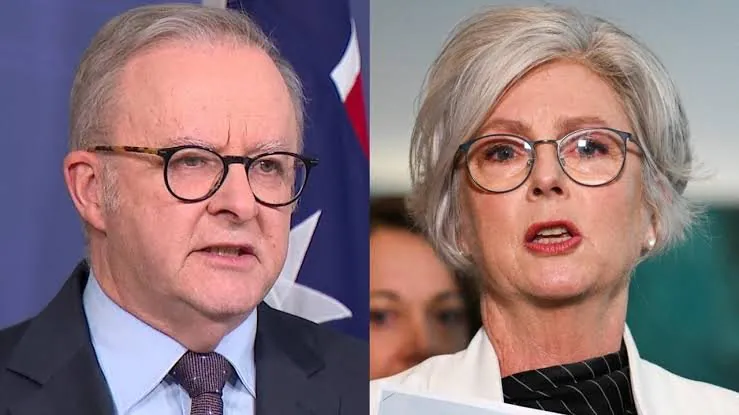

Hanson vowed to take a closer look at future episodes of the satirical cartoon series, conceding that she had to take responsibility for the content.
The controversy has sparked a wider debate about the stigma surrounding women’s reproductive health and the need for greater sensitivity and respect in public discourse.
Senator Lambie said that the cartoon highlighted the shame and embarrassment that many women feel about their reproductive health, and that it was important to speak openly and honestly about these issues.
Many others, including Labor frontbencher Tim Ayres and independent Kooyong MP Monique Ryan, have also spoken out against the cartoon, praising Senator Lambie for her courage in speaking publicly about her experiences.
Analysis: What This Means for Australia
The One Nation cartoon controversy has significant implications for Australia, highlighting the need for greater accountability and respect in public discourse. The incident has also raised questions about the limits of satire and the responsibility of political leaders to promote respectful and inclusive public debate.
Security analysts say that the controversy highlights the importance of promoting a culture of respect and empathy, particularly in the context of women’s reproductive health.
Law enforcement insiders warn that the cartoon could be seen as a form of bullying and harassment, and that it is important to take a strong stance against such behavior.
Industry observers believe that the controversy will have significant consequences for One Nation, with many voters likely to be turned off by the party’s insensitive and misogynistic humor.
The incident has also highlighted the importance of promoting greater diversity and inclusion in public discourse, with many arguing that the cartoon was a symptom of a broader cultural problem.
As the debate continues to unfold, it is clear that the One Nation cartoon controversy will have significant implications for Australian politics and society, and that it will be important to promote a culture of respect, empathy, and inclusivity in the days and weeks ahead.
Experts say that the controversy highlights the need for greater education and awareness about women’s reproductive health, and that it is important to promote a culture of respect and empathy in public discourse.
By speaking openly and honestly about these issues, we can work to break down the stigma and shame that surrounds women’s reproductive health, and promote a more inclusive and respectful society for all.
As Senator Lambie said, “Speaking openly is not an invitation to be mocked or degraded” – and it is up to all of us to promote a culture of respect and empathy, particularly in the context of women’s reproductive health.
In the context of Australian politics, the One Nation cartoon controversy has significant implications for the way that politicians engage with each other and with the public.
The incident has highlighted the need for greater accountability and respect in public discourse, and has raised questions about the limits of satire and the responsibility of political leaders to promote respectful and inclusive public debate.
As the debate continues to unfold, it will be important to consider the role of social media in shaping public discourse, and to promote a culture of respect and empathy in online interactions.
By working together to promote a more inclusive and respectful society, we can build a better future for all Australians.
The incident has also been condemned by Australian Medical Association, which has highlighted the importance of promoting a culture of respect and empathy in public discourse, particularly in the context of women’s reproductive health.
The AMA has also emphasized the need for greater education and awareness about women’s reproductive health, and has encouraged politicians and media outlets to promote a culture of respect and inclusivity in their public statements and actions.
By working together to promote a more inclusive and respectful society, we can build a better future for all Australians, and promote a culture of respect and empathy that values the dignity and well-being of all individuals.