Alleged Murder Of Five-Year-Old Kumanjayi Little Baby Exposes “Utter Failings” Of Northern Territory’s Child Welfare System, Leaving Australia To Confront A Dark Reality
- A damning independent review has revealed extensive failings by the Northern Territory’s Department of Children and Families in the lead-up to the alleged murder of five-year-old Kumanjayi Little Baby.
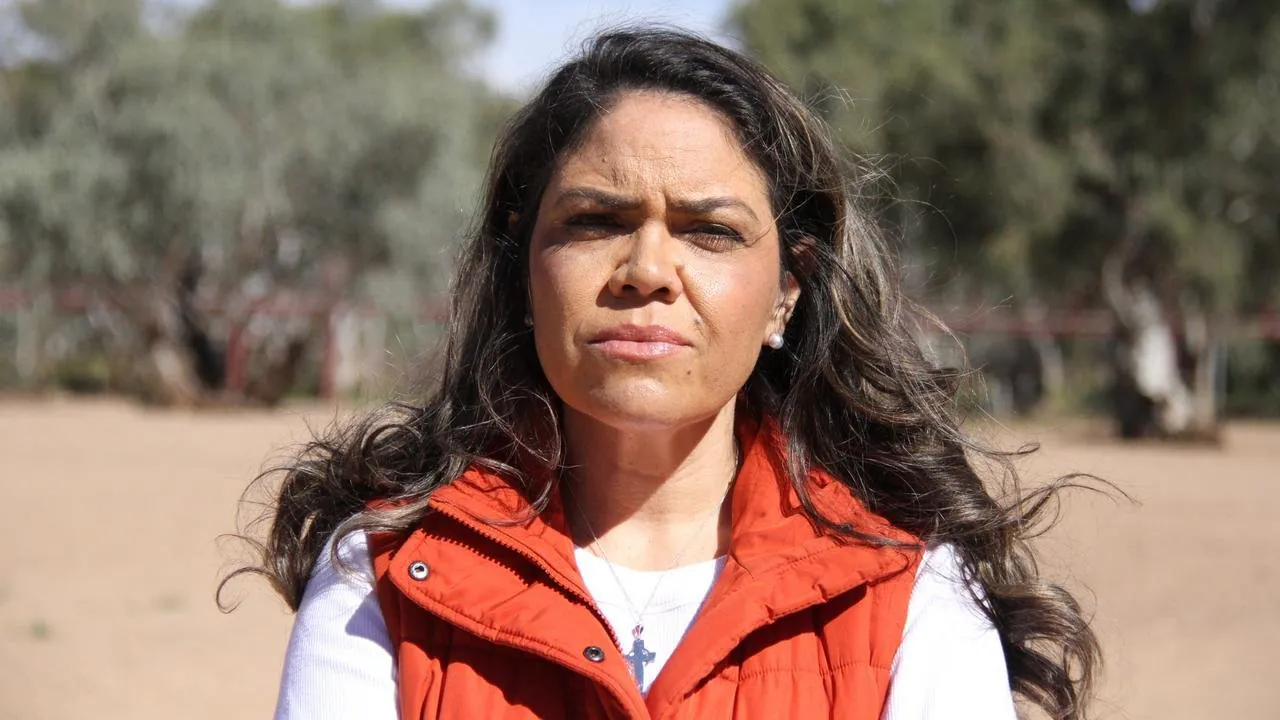
- Northern Territory Senator Jacinta Nampijinpa Price says her niece was “let down” by the system and that the “culture of child protection” in Australia needs to change.
- The report found that a domestic violence risk assessment had not been carried out for Kumanjayi, and those noted as “safety people” were not safe individuals, highlighting a catastrophic failure to prioritize the safety of vulnerable women and children.
- The case has sparked calls for a coordinated national approach to child protection, with Senator Nampijinpa Price warning that the crisis in the Northern Territory is a symptom of a broader problem affecting all Australian children.
The alleged murder of five-year-old Kumanjayi Little Baby has sent shockwaves across Australia, exposing the “utter failings” of the Northern Territory’s child welfare system and leaving a nation to confront the dark reality of its failure to protect its most vulnerable citizens.
The case has sparked widespread outrage and calls for change, with Northern Territory Senator Jacinta Nampijinpa Price saying that her niece was “let down” by the system and that the “culture of child protection” in Australia needs to change.
At the heart of the crisis is the failure of the Northern Territory’s Department of Children and Families to prioritize the safety of Kumanjayi and her family.
An independent review, led by former NSW Police Commissioner Karen Webb and longtime NT public servant Greg Shanahan, found that the department had failed to carry out a domestic violence risk assessment for Kumanjayi, and that those noted as “safety people” were not safe individuals.
The report’s 45 recommendations, all of which have been accepted by the government, paint a damning picture of a system in crisis, with widespread failings in communication, coordination, and prioritization of child safety.


The case of Kumanjayi Little Baby is a tragic reminder of the broader context of child protection in Australia.
The Northern Territory has one of the highest rates of child removals in the country, with Indigenous children making up a disproportionate number of those removed from their families.
The situation is further complicated by the legacy of colonialism and the intergenerational trauma experienced by Indigenous Australians.
The child protection system, which is supposed to prioritize the safety and well-being of vulnerable children, is often criticized for its ideological approach to Indigenous affairs, which can prioritize cultural sensitivity over the safety of women and children.
Analysis: What This Means for Australia is that the crisis in the Northern Territory is not an isolated incident, but rather a symptom of a broader problem affecting all Australian children.
The case of Kumanjayi Little Baby highlights the need for a coordinated national approach to child protection, one that prioritizes the safety and well-being of all children, regardless of their background or circumstances.
Security analysts say that the current system is failing to address the root causes of child vulnerability, including poverty, domestic violence, and lack of access to education and healthcare.
Law enforcement insiders warn that the crisis in child protection is having a devastating impact on communities, with the trauma experienced by vulnerable children and families having long-term consequences for their health, wellbeing, and economic prosperity.
Expert commentary suggests that the solution to the crisis in child protection lies in a fundamental transformation of the system, one that prioritizes the safety and well-being of all children.
Industry observers believe that this will require a significant increase in funding for child protection services, as well as a shift in the way that the system approaches the complex issues surrounding child vulnerability.
According to child protection services, the current system is failing to provide adequate support to vulnerable families, leaving them to navigate a complex web of services and bureaucracies.
Meanwhile, Australian Institute of Health and Welfare data shows that the number of children in out-of-home care is increasing, with many of these children experiencing poor outcomes in terms of education, health, and employment.
The case of Kumanjayi Little Baby is a stark reminder of the need for urgent action to address the crisis in child protection.
As Australia grapples with the consequences of its failure to protect its most vulnerable citizens, it is clear that a new approach is needed, one that prioritizes the safety and well-being of all children, regardless of their background or circumstances.
The government’s acceptance of the report’s 45 recommendations is a step in the right direction, but it will require a sustained effort to implement these changes and to address the underlying causes of the crisis.
Only then can Australia hope to create a child protection system that truly prioritizes the safety and well-being of all children, and provides them with the support and care that they need to thrive.
In the aftermath of Kumanjayi’s death, the community has come together to demand change, with vigils and protests held across the country.
The case has sparked a national conversation about the need for a coordinated approach to child protection, one that prioritizes the safety and well-being of all children.
As the nation continues to grapple with the consequences of its failure to protect Kumanjayi, it is clear that this conversation is long overdue, and that urgent action is needed to address the crisis in child protection.
The housing crisis and poverty are just two of the many factors that contribute to the vulnerability of children, and addressing these issues will be critical to creating a safer and more supportive environment for all Australian children.