
Australian Wildlife Nightmare: 74-Year-Old Antiques Store Owner Exposed for Hoarding Over 700 Dead Native Animals in His Home and Shop
- A shocking discovery of hundreds of native animals, including threatened species, has left the community reeling after a Victorian antiques store owner was found to be hoarding them in his home and shop.
- The 74-year-old man pleaded guilty to 13 charges, including selling and possessing protected wildlife, and was fined $10,000, sparking outrage over the leniency of the penalty.
- The case has raised serious concerns about the effectiveness of Victoria’s wildlife laws, with critics calling for tougher penalties and stricter regulations to protect native animals.
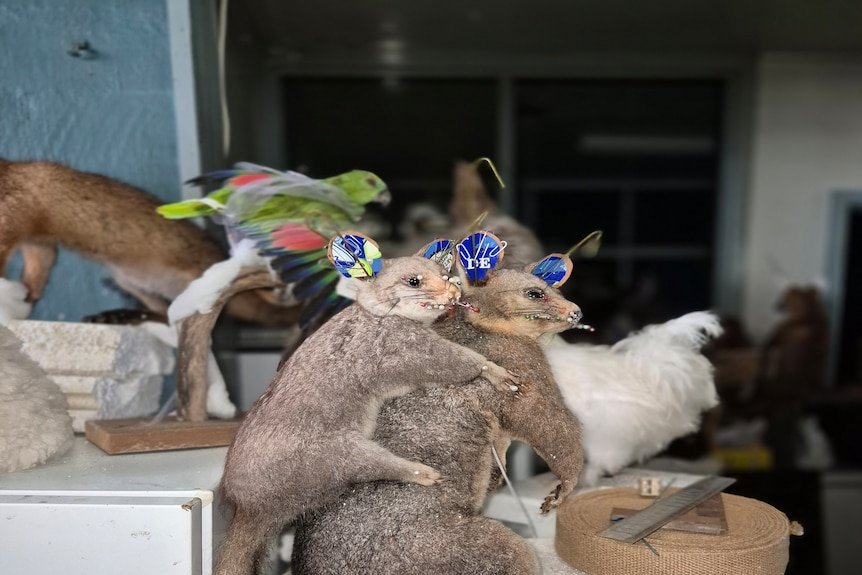
- The regulator’s search of the man’s property uncovered a staggering array of dead animals, including 78 emus, 42 brushtail possums, and 26 echidnas, as well as the remains of threatened species such as the barking owl and diamond python.
The discovery of over 700 dead native animals in the home and shop of a 74-year-old antiques store owner in Victoria has sent shockwaves through the community, highlighting the darker side of the illegal wildlife trade in Australia.
The man, Glenn Richard Rollo, pleaded guilty to 13 charges, including selling and possessing protected and threatened wildlife, and failing to provide treatment to a sick animal, in a case that has sparked widespread outrage and calls for tougher laws to protect native animals.
The regulator’s search of Rollo’s property, which included his antiques store and home, uncovered a staggering array of dead animals, including 78 emus, 42 brushtail possums, and 26 echidnas, as well as the remains of threatened species such as the barking owl and diamond python.
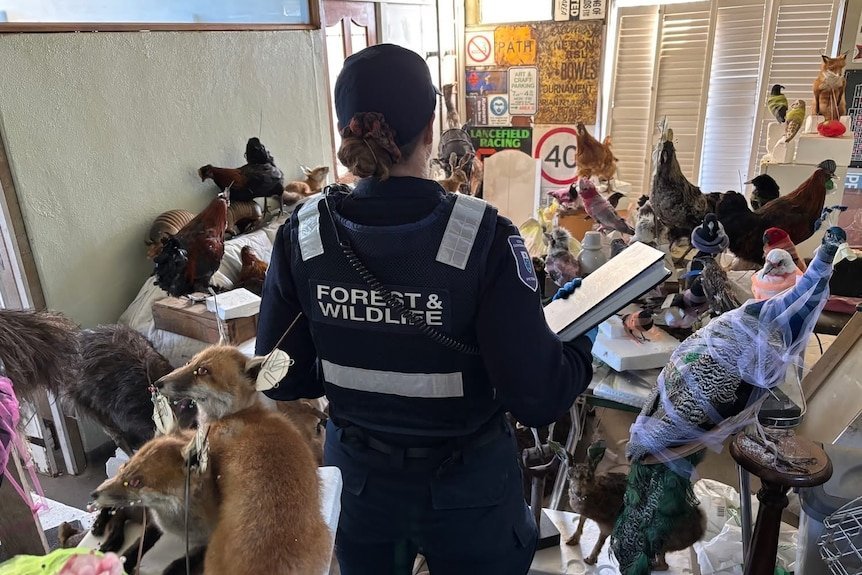
The search also found 15 live reptiles, including North American red-eared slider turtles and corn snakes, being kept in enclosures, with six of the reptiles not being kept under the required animal welfare standards.
The sheer scale of the discovery has raised serious questions about the effectiveness of Victoria’s wildlife laws and the ability of regulators to prevent the exploitation of native animals.
The case has also highlighted the need for greater awareness and education about the importance of protecting native wildlife and the devastating consequences of the illegal wildlife trade.
The regulator’s director of regulatory operations, Cal Heppell, said that the scale of offending in this case highlights why Victoria has strong protections in place for wildlife and animal welfare, but critics argue that the laws are not strong enough and that the penalty handed down to Rollo was barely a deterrent.
Victoria Animal Justice party MP Georgie Purcell said that the $10,000 fine was “barely a deterrent and doesn’t send a message to the community that wildlife are respected and protected in Victoria”, and called on the government to modernise the 50-year-old welfare act.
As the community grapples with the shocking discovery of Rollo’s wildlife hoard, there are growing concerns about the impact of the illegal wildlife trade on native animal populations and the environment.
The case has also raised questions about the role of regulators and law enforcement agencies in preventing the exploitation of native animals and the need for tougher penalties and stricter regulations to protect wildlife.
With the Australian government facing increasing pressure to take action to protect native animals, the case of Glenn Richard Rollo serves as a stark reminder of the need for stronger laws and greater enforcement to prevent the devastating consequences of the illegal wildlife trade.
Analysis: What This Means for Australia is that the country is facing a major challenge in protecting its native wildlife from exploitation and abuse.
The case of Glenn Richard Rollo highlights the need for tougher laws and stricter regulations to prevent the illegal wildlife trade and to protect native animals from harm.
The Australian government must take action to strengthen its wildlife laws and to provide greater support for regulators and law enforcement agencies to prevent the exploitation of native animals.
This includes increasing funding for conservation efforts and providing more resources for regulators to monitor and enforce wildlife laws.
By taking a stronger stance against the illegal wildlife trade, Australia can help to protect its unique and diverse wildlife and to preserve the environment for future generations.
Security analysts say that the case of Glenn Richard Rollo is just the tip of the iceberg, with many more cases of wildlife exploitation and abuse going undetected.
Law enforcement insiders warn that the illegal wildlife trade is a major threat to native animal populations and the environment, and that tougher laws and stricter regulations are needed to prevent it.
Industry observers believe that the Australian government must take a more proactive approach to protecting native wildlife, including increasing funding for conservation efforts and providing more resources for regulators to monitor and enforce wildlife laws.
By working together, Australia can help to protect its unique and diverse wildlife and to preserve the environment for future generations.
The case of Glenn Richard Rollo has also raised questions about the role of the community in protecting native wildlife.
Many Australians are unaware of the impact of the illegal wildlife trade on native animal populations and the environment, and there is a need for greater awareness and education about the importance of protecting native wildlife.
By working together, Australians can help to prevent the exploitation of native animals and to protect the environment for future generations. This includes supporting conservation efforts, reporting suspicious activity to regulators, and making informed choices about the products they buy and the activities they support.
By taking action to protect native wildlife, Australians can help to preserve the country’s unique and diverse environment for future generations.
As the Australian government considers its response to the case of Glenn Richard Rollo, it is clear that there is a need for tougher laws and stricter regulations to protect native wildlife.
The government must take action to strengthen its wildlife laws and to provide greater support for regulators and law enforcement agencies to prevent the exploitation of native animals.
This includes increasing funding for conservation efforts, providing more resources for regulators to monitor and enforce wildlife laws, and raising awareness about the importance of protecting native wildlife.
By working together, Australia can help to protect its unique and diverse wildlife and to preserve the environment for future generations. The wildlife conservation efforts in Australia are critical to protecting native animals, and the government must take a more proactive approach to supporting these efforts.
The Australian Bureau of Statistics has reported on the impact of the illegal wildlife trade on native animal populations, and it is clear that more needs to be done to prevent the exploitation of native animals.