

Airbnb Revolution: Guests To Be Freed From Chores As New Rules Crack Down On Unreasonable Host Demands
- Airbnb guests will no longer be forced to strip beds or wash dishes under the platform’s new rules, set to come into effect on 20 November
- The changes aim to limit the chores imposed on guests, who have long complained about paying cleaning fees and still being expected to complete a list of tasks for their host
- Hosts will now be able to set seven standard house rules, which must be displayed in full at the time of booking, and can also add other “reasonable” requests depending on local considerations
- The updated guidelines mark a significant shift in Airbnb’s approach to guest-host relations, with a focus on clarity, fairness, and respect for guests’ time and effort
The days of being treated like an unpaid housekeeper on holiday may soon be behind us, thanks to Airbnb’s latest crackdown on unreasonable host demands.
As of 20 November, guests will no longer be expected to strip beds, wash dishes, or take out the rubbish, as the accommodation platform introduces new rules to limit the chores imposed on them.
This move comes after years of complaints from guests about being forced to pay cleaning fees, which can run into hundreds of dollars, and still being expected to complete a list of tasks for their host.
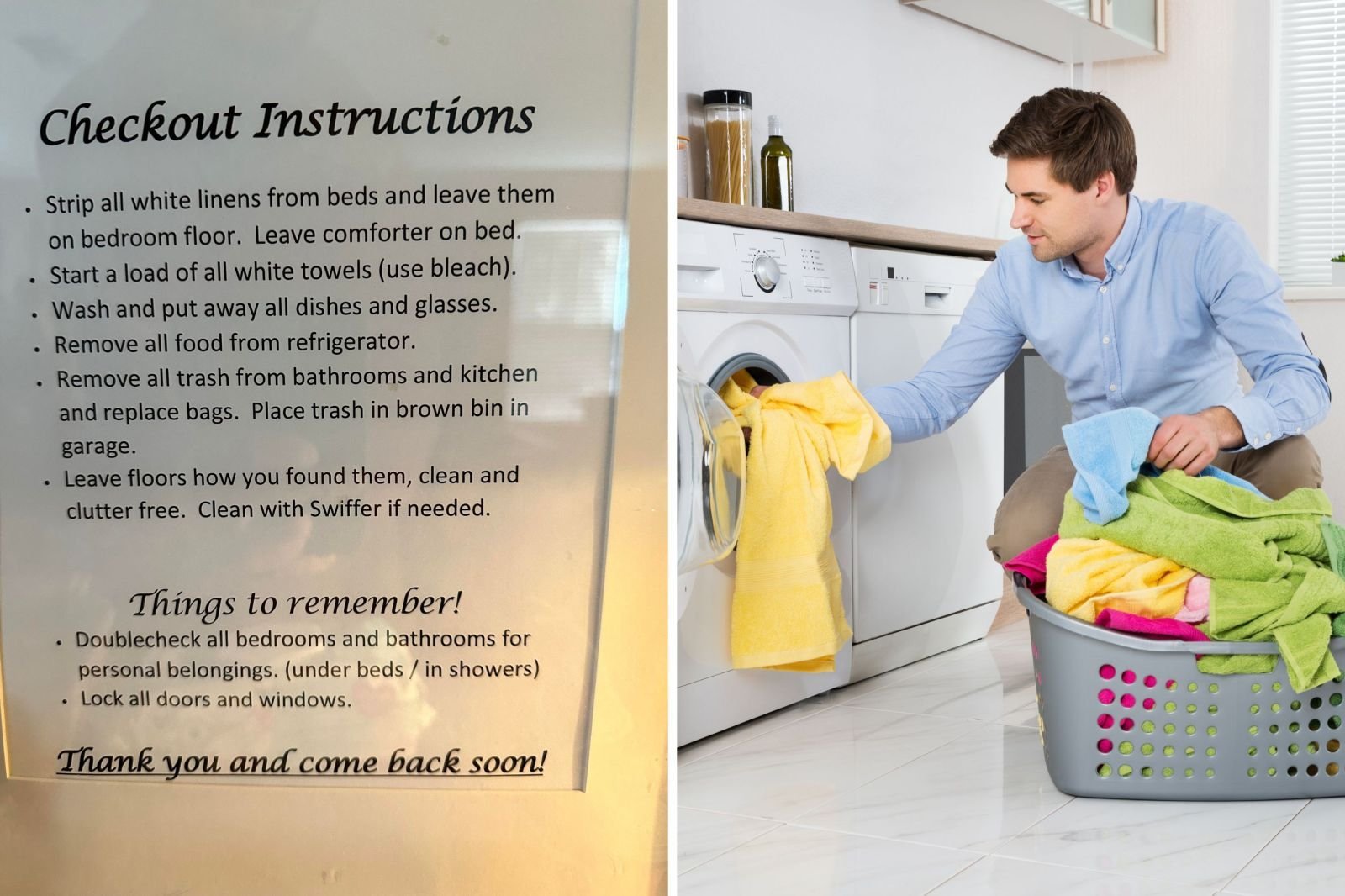
Since April 2025, Airbnb has not shown cleaning fees to guests, instead allowing hosts to factor these costs into the total price of the stay. However, this has led to confusion and frustration among guests, who have felt that they are being asked to do too much for their host.
The new rules aim to address these concerns, by introducing a clearer and more transparent approach to guest-host relations.
Hosts will now be able to set seven standard house rules, which must be displayed in full at the time of booking, and can also add other “reasonable” requests depending on local considerations.
So, what prompted this change of heart from Airbnb? The answer lies in the company’s commitment to creating a fair and respectful community for both hosts and guests.
By limiting the chores that can be imposed on guests, Airbnb is recognizing that people go on holiday to relax and unwind, not to do household chores.
This shift in approach is also driven by the company’s desire to improve the overall guest experience, and to ensure that guests feel valued and respected throughout their stay.
As an Airbnb spokesperson explained, “House rules help guests understand what hosts expect, but we’ve heard from our community that they can be confusing, onerous and hard to manage.
So we’ve redesigned them to make them easier to discover and clearer to set, alongside a new policy that keeps requests reasonable, with no surprises.”
But what does this mean for hosts, who may be relying on guests to help with certain tasks? The answer is that hosts will still be able to set reasonable requests, depending on local considerations.
For example, it may be reasonable to ask guests to limit shower time due to local water restrictions, or to dispose of rubbish in an animal-proof container.
However, hosts will no longer be able to ask guests to wash and put away dishes, or to strip beds of linen. Instead, they can ask guests to put used dishes in the sink, or to leave the bed linen for the host to deal with.
This approach recognizes that hosts have different needs and expectations, while also ensuring that guests are not being taken advantage of.
As we delve deeper into the implications of these changes, it becomes clear that this is not just a matter of guest convenience, but also of fairness and respect.
By setting clear boundaries and expectations, Airbnb is creating a more level playing field for both hosts and guests. This, in turn, can help to build trust and confidence within the community, and to ensure that everyone has a positive and enjoyable experience.
As tourism industry experts have noted, the key to success in the accommodation sector is to create a sense of mutual respect and understanding between hosts and guests.
By introducing these new rules, Airbnb is taking a significant step in this direction.
Analysis: What This Means for Australia
So, what are the implications of these changes for Australia, and for the broader hospitality industry?
The answer is that this shift in approach from Airbnb has the potential to have a significant impact on the way that we think about guest-host relations, and about the responsibilities that come with hosting.
By recognizing that guests are not unpaid housekeepers, but rather paying customers, Airbnb is setting a new standard for the industry.
This, in turn, can help to drive up standards and expectations across the board, and to create a more positive and respectful experience for everyone involved.
As Australian Bureau of Statistics data has shown, the tourism industry is a significant contributor to the Australian economy, and any changes to the way that we approach guest-host relations can have a ripple effect throughout the sector.
Security analysts say that this move by Airbnb is a positive step towards creating a safer and more respectful community for all users. By setting clear boundaries and expectations, Airbnb is reducing the risk of disputes and misunderstandings between hosts and guests.
This, in turn, can help to build trust and confidence within the community, and to ensure that everyone has a positive and enjoyable experience.
As law enforcement insiders have noted, the key to preventing conflicts and ensuring public safety is to create a sense of mutual respect and understanding between all parties involved.
By introducing these new rules, Airbnb is taking a significant step in this direction.
Industry observers believe that this shift in approach from Airbnb will have a significant impact on the way that we think about the sharing economy, and about the responsibilities that come with hosting.
By recognizing that guests are not just customers, but also members of the community, Airbnb is setting a new standard for the industry.
This, in turn, can help to drive up standards and expectations across the board, and to create a more positive and respectful experience for everyone involved.
As Australian Competition and Consumer Commission has noted, the sharing economy has the potential to create significant benefits for consumers, but it also requires a high level of trust and cooperation between all parties involved.
By introducing these new rules, Airbnb is helping to build that trust and cooperation, and to create a more positive and respectful experience for all users.