
Tragedy at Seal Rocks: Surfer in His 60s Dragged Lifeless From the Water by Desperate Beachgoers as Paramedics Fail to Revive Him on NSW Mid North Coast
- A man believed to be in his 60s was found unresponsive in the surf at Number One Beach, Seal Rocks, on Monday afternoon
- Members of the public hauled him from the water around 2.20pm, but paramedics could not bring him back
- Police have not yet formally identified the surfer, and a report is being prepared for the coroner
- The death reignites urgent questions about safety on remote, often unpatrolled stretches of Australia’s coastline
It should have been an ordinary Monday paddle-out at one of the most picturesque surf breaks in New South Wales.
Instead, it ended in horror.
A man believed to be in his 60s has died after being pulled lifeless from the water at Seal Rocks on the state’s Mid North Coast, leaving shaken beachgoers who rushed to his aid and a small coastal community once again confronting the brutal unpredictability of the ocean.
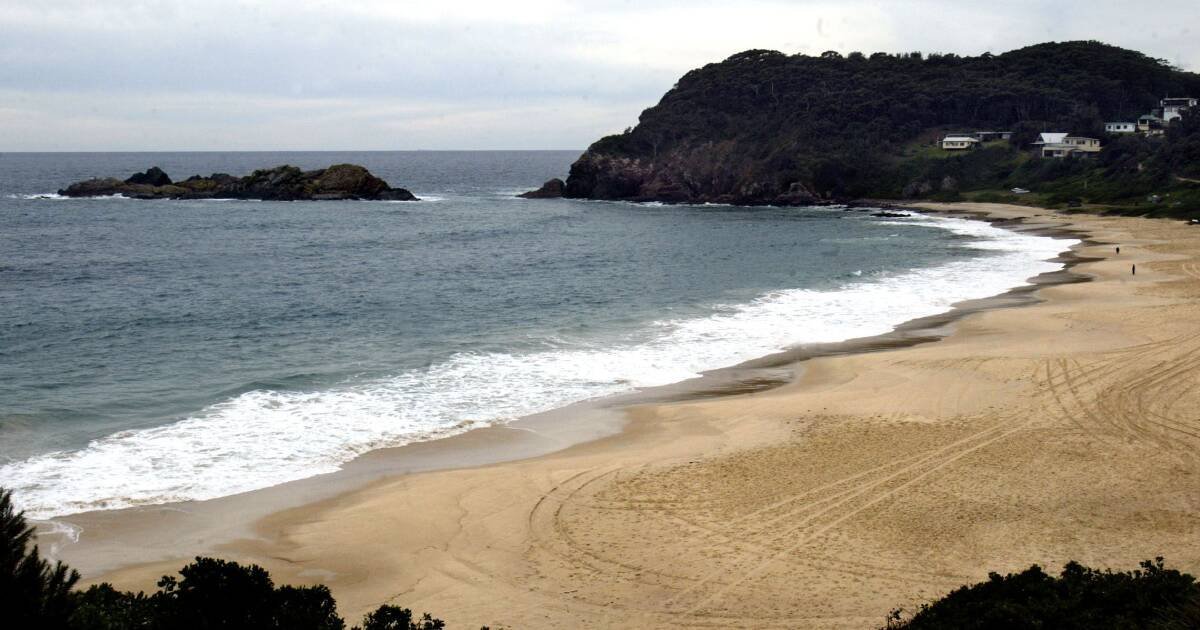
The alarm was raised at Number One Beach at about 2.20pm, when the surfer was spotted unresponsive in the water. Members of the public waded in and dragged him to shore, triggering a concern for welfare call to emergency services.
Paramedics raced to the scene. But despite their efforts, the man could not be revived.
NSW Police Force confirmed the death but said the man has not yet been formally identified. Officers are now investigating the circumstances surrounding the incident, and a report will be prepared for the coroner.
No details have been released about what may have caused the surfer to get into difficulty, and police have not suggested anything suspicious.
For the people who pulled him from the surf, the experience will linger long after the cordon tape is gone.
Ordinary holidaymakers and locals are increasingly finding themselves thrust into the role of first responder on Australian beaches, often with nothing but their own strength and instinct to rely on.
Seal Rocks is a tiny, much-loved village tucked against the Myall Lakes National Park, around three and a half hours’ drive north of Sydney. Famous for the historic Sugarloaf Point Lighthouse and its rugged, windswept coastline, the area draws surfers, campers and day-trippers seeking escape from the crowds.
That remoteness is exactly what makes it so appealing. It is also what can make it so dangerous.
Unlike the heavily patrolled beaches of Bondi or Manly, many of the Mid North Coast’s breaks sit far from major hospitals, with emergency crews forced to travel considerable distances to reach anyone in trouble.
When minutes matter, geography can be the cruellest enemy of all.
The tragedy also comes as Australia edges toward the peak of its summer beach season, when millions flock to the coast and lifesaving organisations brace for their busiest and most heartbreaking months of the year.
Coastal drowning has long been one of the country’s most persistent public safety challenges.
Year after year, data compiled by Royal Life Saving Society Australia and Surf Life Saving Australia has shown that men make up the overwhelming majority of drowning victims, and that older Australians are disproportionately represented among those who die in the water.
Surfers occupy a unique place in that picture.
They are often highly experienced and deeply familiar with the ocean, yet they routinely venture out at times and places where no lifeguards are on duty.
Analysis: What This Means for Australia
Every death on an Australian beach is a personal catastrophe for a family. But collectively, these tragedies expose a national vulnerability that is too often treated as an unavoidable cost of the coastal lifestyle.
From a public safety standpoint, the Seal Rocks death underscores the gap between where Australians swim and surf and where protection actually exists. Patrolled zones cover only a fraction of the nation’s more than 10,000 beaches, leaving vast stretches reliant on chance and the courage of bystanders.
For law enforcement and emergency services, incidents like this place heavy demands on regional resources.
Police must investigate, paramedics must travel long distances, and coroners must piece together what went wrong, all while rural and regional services are frequently stretched thin.
The community impact is profound.
In small coastal towns, a death in the surf ripples outward quickly, affecting local surfers, volunteers and businesses that depend on the area’s reputation as a safe, idyllic getaway.
Witnesses, too, can carry lasting trauma.
There are economic consequences as well. Coastal tourism underpins countless regional economies across regional NSW, and the nation’s beaches are a cornerstone of its global brand.
Sustained concern about beach safety can shape how and where visitors choose to holiday.
And there is a looming demographic dimension. As Australia’s population ages, more people in their 60s, 70s and beyond are staying active in the water for longer.
That is a public health triumph, but it also raises fresh questions about how safety messaging, medical awareness and rescue planning must adapt.
Water safety advocates say the message for older surfers and swimmers is not to stay out of the ocean, but to respect their limits, avoid paddling out alone where possible and be alert to underlying health conditions.
Sudden medical episodes in the water are a recognised risk factor across the drowning data, though no cause has been suggested in this case.
Emergency response insiders warn that the first few minutes after someone is found unresponsive are critical.
They argue that wider community training in CPR and basic rescue skills could be the difference between life and death on isolated beaches where professional help may be some way off.
Coastal safety observers believe greater investment in technology, including public defibrillators at beach access points, emergency signage and remote monitoring, could help close the gap on unpatrolled stretches of coast.
Others in the lifesaving community point out that bystanders who intervene, as they did at Seal Rocks, deserve recognition and support. Rushing into the surf to retrieve an unresponsive person is a confronting and dangerous act, and those involved may need help processing what they witnessed.
Regional health observers also note that the rural health workforce shortage and long ambulance travel times remain an ongoing concern for communities far from major centres.
For now, the focus remains on identifying the man and informing his loved ones. Police are expected to continue their inquiries in the coming days as the coronial process gets under way.
Anyone with information about the incident is urged to contact Crime Stoppers or their local police station.
As summer approaches and Australians head for the water in their millions, the death at Number One Beach stands as a sombre reminder: even in paradise, the ocean gives no warnings and offers no second chances.