
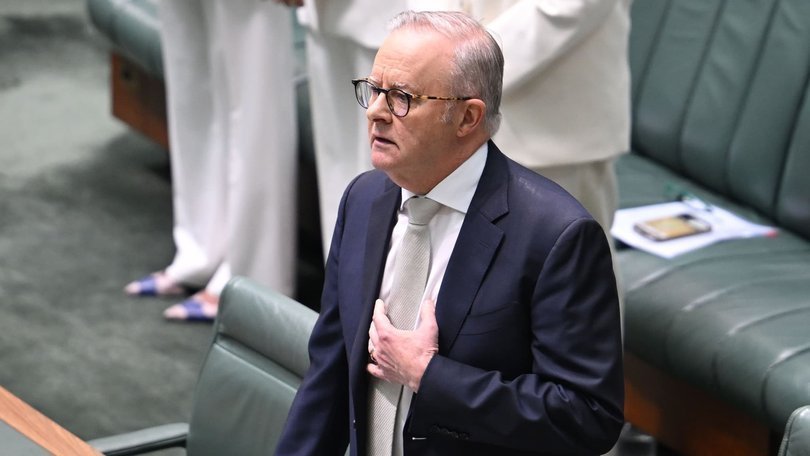
‘A Turning Point’: Albanese Orders Urgent Security Overhaul as Flood of Violent Threats Against MPs Exposes Dangerous Gaps After Brutal Attack on Helen Haines
- Prime Minister Anthony Albanese has told Labor colleagues that more money must go into protecting politicians, including electorate office upgrades and extra funding for the AFP, after independent MP Helen Haines was attacked outside her office.
- An AI tool flagged almost 5,000 threats and violent comments on the social media accounts of just 22 Labor politicians in three months.
- Nine federal electorate offices are already being fortified, and MPs warn of a “massive gap” between protection for senior figures and everyone else.
- Female parliamentarians face a wave of violent and sexual threats, and the Prime Minister admits more “can and should be done”.
For years, Australian politicians have quietly absorbed the abuse: the smashed windows, the obscene phone calls, the menacing messages arriving at midnight.
Now one of their own is in hospital, and Canberra has been forced to confront an uncomfortable question. How safe is the grassroots democracy that Australians take for granted?
The attack on independent MP Helen Haines outside her electorate office last week has shaken Parliament House. On Tuesday, Prime Minister Anthony Albanese called it a “turning point”.
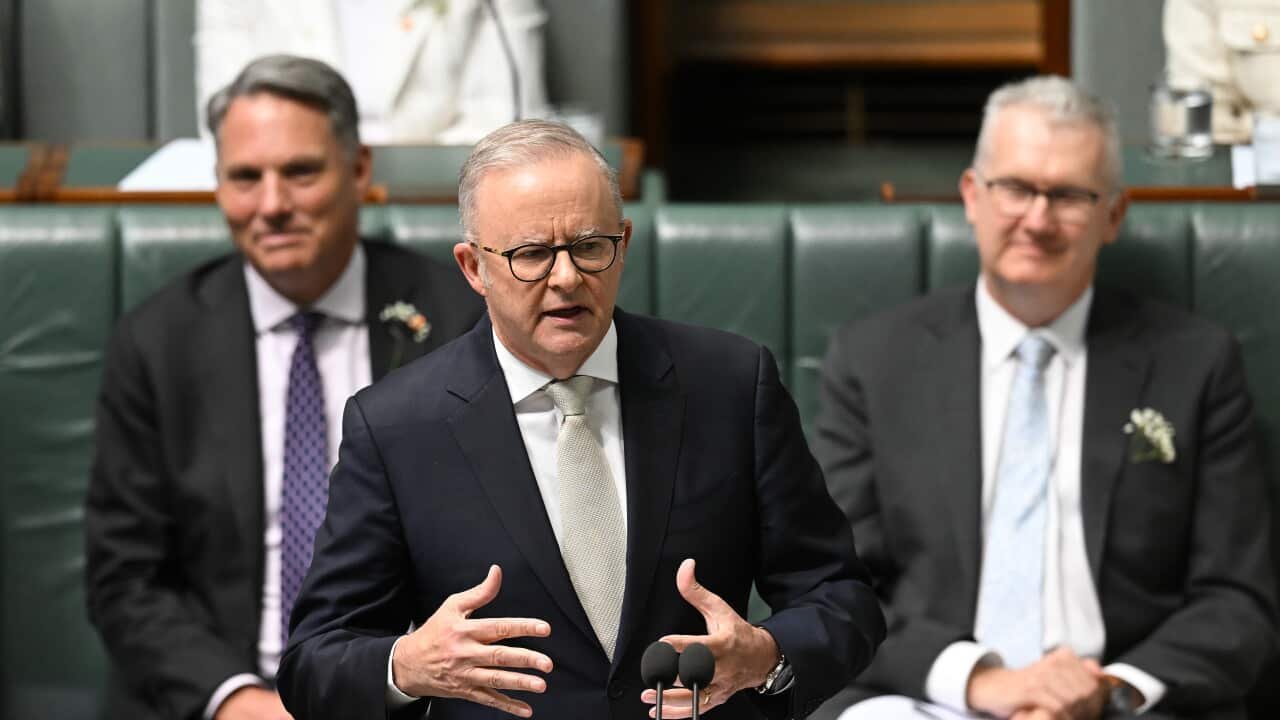
Speaking to the Labor caucus, Mr Albanese said the Commonwealth had to spend more to keep parliamentarians safe. He pointed to two priorities: hardening electorate offices and boosting funding for the Australian Federal Police.
He has given three senior ministers, Home Affairs Minister Tony Burke, Finance Minister Katy Gallagher and Special Minister of State Don Farrell, the job of producing what he called a “swift response”.
Details are expected within days.
According to a post-caucus briefing, the Prime Minister acknowledged that many colleagues had endured a sharp rise in “vile threats” against themselves and their families, along with damage to their offices.
He singled out female MPs and senators, who he said were being targeted with threats of a violent and sexual nature.
“More can and should be done,” he told the room.
Some MPs are already pressing for duress alarms in their offices.
The machinery is moving. The AFP gave politicians a security briefing just two days after Ms Haines was attacked.
Finance Department secretary Matt Yannopoulos told a late-night Senate estimates hearing that nine electorate offices had raised concerns since then, and that upgrades were being carried out as quickly as possible.
He explained that responsibility is split three ways. The AFP handles threat assessments and protective details, Home Affairs covers home security for eligible MPs, and Finance looks after offices and transport.
The agencies share information, but critics say the arrangement was never built for the threat environment politicians now face.
The scale of that threat is alarming.
A trial of a new AI moderation tool found almost 5,000 threatening and violent comments posted on the social media accounts of 22 Labor politicians in only three months.
Senator Gallagher said the volume and ferocity of the abuse was beyond anything she had seen in public life.
She named Facebook as the worst platform, followed by Instagram and TikTok, and said talks were under way about formalising how the data could be passed to federal police.
She described the tool as a workplace-management measure rather than censorship. In her view, the torrent of abuse was driving away ordinary Australians who wanted to leave genuine feedback, and the platforms had to help.
The hostility is not limited to elected members.
Steven Kennedy, secretary of the Department of the Prime Minister and Cabinet, told estimates that selectively edited clips of hearings shared by politicians online can “invite ridicule, hostility or abuse” aimed at individual public servants.
Liberal senator Sarah Henderson defended the use of parliamentary footage as fundamental to the Senate’s scrutiny role.
The debate over political rhetoric is just as divided. Defence Minister Richard Marles urged everyone, including the media, to help bring “the temperature down”.
Nationals leader Matt Canavan said he was “not against” One Nation’s satirical cartoons, though he conceded some had overstepped.
The attack on Ms Haines has also landed amid an unrelated parliamentary storm.
The Prime Minister conceded in Question Time that he was “not correct” to claim a $6 million federal grant to the Marrickville Golf Club in his electorate would fix sewerage problems.
The admission came after infrastructure officials told estimates the project’s scope included no sewerage works. The NSW government is funding that work.
The National Anti-Corruption Commission confirmed it had received referrals about the $560 million grants program behind the payment. Acting commissioner Kylie Kilgour paid tribute to Ms Haines, a long-time critic of the scheme and a key architect of the watchdog itself.
Analysis: What This Means for Australia
The attack goes well beyond the safety of one MP. Electorate offices are the most accessible point of contact between citizens and their government.
They are where pensioners chase Centrelink payments, migrants seek visa help and families plead for local services.
If those offices become fortresses with locked doors, intercoms and panic buttons, something essential about Australian democracy changes. That is the central dilemma: protecting MPs without cutting them off from the communities they serve.
From a national security perspective, the numbers point to a sustained and escalating campaign of intimidation. Almost 5,000 flagged threats across a small group of accounts suggests the true national figure is many times higher.
That puts real pressure on AFP resources already stretched by counter-terrorism, organised crime and cyber security threats. The Australian Signals Directorate separately reported a 20 per cent jump in cyber incidents last financial year.
The costs will be significant.
Upgrading 151 lower house offices and 76 senators’ offices, plus funding extra police, will compete with a budget already under strain from inflation and a savings drive ahead of the mid-year update.
There is also a social cost. If abuse keeps intensifying, particularly the sexualised threats against women, talented Australians may decide public office simply isn’t worth the risk.
Security analysts say the Haines case shatters a long-held assumption that only controversial or high-profile figures are in danger.
Queensland Liberal MP Leon Rebello made exactly that point, saying the attack showed “you don’t have to be somebody who is controversial” to be targeted, and calling for security advice to be reassessed before the next election.
Law enforcement insiders warn that online threats rarely stay online.
They say the pathway from digital abuse to physical confrontation is well documented, and that systematic data sharing with police, as Senator Gallagher has flagged, could be crucial for early intervention.
Political observers believe the coming weeks will test whether this cross-party solidarity lasts. Parliament paused on Monday in support of Ms Haines, but the gloves were back off by Tuesday’s Question Time.
The federal politics fight over the golf club grant shows that scrutiny will not, and should not, disappear. The harder question is whether Australia’s leaders can keep their arguments fierce without turning their offices into targets.
For now, Ms Haines remains in hospital. Her colleagues are waiting to see whether this “turning point” brings real protection or just more promises.