
‘Deeply Distressing’: Eight-Year-Old Girl Mauled by Arctic Wolf Inside Zoo Enclosure During Children’s Event, as Experts Ask Whether Australian Families Are Safe at Wildlife Parks
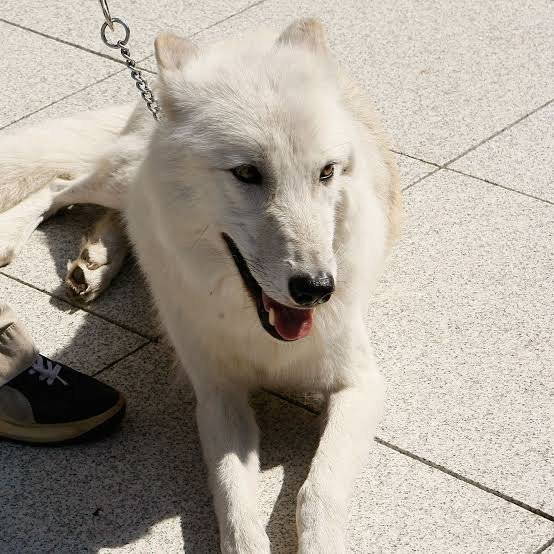
- An eight-year-old girl was airlifted to hospital with serious injuries after being attacked by at least one Arctic wolf inside its enclosure at a German wildlife park
- The horror unfolded during an event designed for children, and a zookeeper’s intervention stopped the animals before they could reach two more young girls in the pen
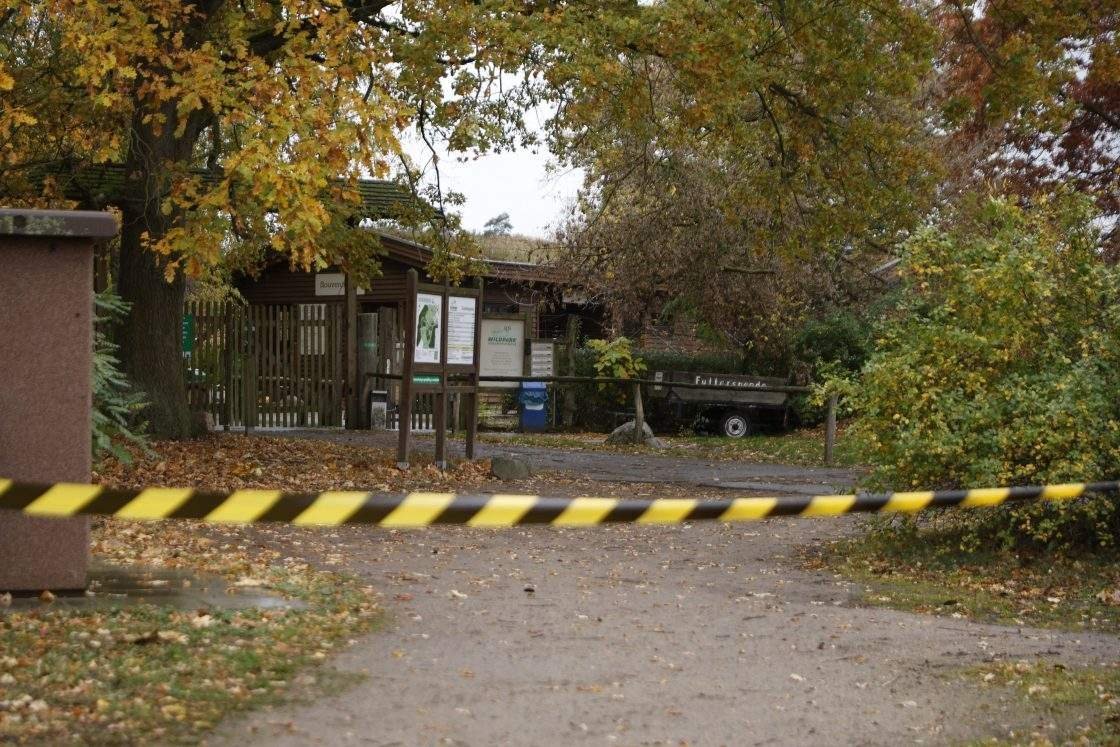
- The park south of Berlin has been closed indefinitely while investigators work out how children came to be standing among the predators
- The mauling follows a leopard attack that killed a Dutch zookeeper and a fatal tiger attack in Britain, raising pressure on wildlife attractions worldwide, including in Australia
It was supposed to be a day of wonder. A rare chance for children to get close to some of nature’s most striking creatures.
Instead, it ended with a helicopter landing to collect a badly wounded eight-year-old girl. Her family and other children were left traumatised, and one of Germany’s regional wildlife parks now faces a deeply uncomfortable investigation.
The girl was set upon inside the Arctic wolf enclosure at Johannismühle Wildlife Park. The animals she had come to admire turned on her in a matter of moments.
The attack took place on Wednesday, local time, at the park in the Teltow-Fläming district, south of the German capital, Berlin. A special program for young visitors was running at the time.
District officials confirmed that at least one wolf attacked the child. According to authorities, the animals were being given water when the violence erupted.
The girl was not alone. Two other girls were also inside the enclosure, and officials said a zookeeper stepped in before either of them could be harmed.
Without that intervention, the toll could have been far worse.
The injured child was flown from the scene by emergency helicopter and taken to hospital with serious injuries. Her current condition has not been publicly detailed.
Björn Christian Paterok, Deputy District Administrator of Teltow-Fläming, said the community was profoundly shaken. In a statement, he said that a child being hurt in such a way affected everyone.
He acknowledged the ordeal would be extremely distressing for the girl’s family and for those who saw it happen, and he expressed hope for her swift recovery.
The park has shut its gates until further notice while authorities investigate.
The central question is stark. Why were young children inside an enclosure with a pack of large predators at all?
Officials have not yet explained how the event was structured or what safety measures were in place. Investigators will almost certainly examine staffing levels, barrier arrangements and whether feeding or watering routines should ever take place with members of the public nearby.
The incident lands at an especially fraught moment for zoos and wildlife parks across Europe.
Only a day earlier, on Tuesday, a zookeeper in the Netherlands died from injuries she suffered when a leopard attacked her three days before at the safari park where she worked.
Earlier this month in the United Kingdom, a man was killed by a tiger after entering its enclosure at a wildlife park.
Germany’s own relationship with wolves is also complicated. Wolves returned to the country in 1998 after a long absence.
Earlier this year, a wolf bit a woman in a shopping area in Hamburg, in what authorities believe was the first such attack on a person since the species re-established itself.
Taken together, the cases have reignited a debate about how closely people should be allowed to interact with wild predators, whether in captivity or in the wild.
Analysis: What This Means for Australia
The attack happened more than 15,000 kilometres away, but it carries an urgent message for Australian parents and the operators of the country’s many zoos, sanctuaries and wildlife parks.
Close-encounter experiences have become a major commercial drawcard in Australia. Families now pay for keeper talks, behind-the-scenes tours and hands-on animal encounters, particularly during school holidays, when attendance surges.
These programs bring real benefits. They raise money for conservation, support regional tourism economies and inspire a new generation of animal lovers.
But the German case shows how quickly a carefully marketed experience can turn catastrophic when people and predators share the same space.
For regulators, the lesson is about consistency.
Animal welfare and exhibition rules in Australia are largely managed by states and territories, which means standards for public contact with dangerous animals are not uniform nationally.
Accreditation bodies such as the Zoo and Aquarium Association Australasia set expectations for members, yet not every attraction is accredited.
For communities, the issue is child safety. Children are more unpredictable than adults, smaller, and more likely to trigger a predator’s instinctive response.
Any program inviting youngsters close to large carnivores needs layers of protection that do not depend on a single keeper reacting in time.
There is an economic dimension too. One serious incident can shut a park, as Johannismühle shows, and damage visitor confidence across an entire sector.
For smaller regional operators already battling the cost of living squeeze on family spending, a reputational hit could be devastating.
Security analysts who study public venue risk say the pattern of recent attacks should prompt a review of insurance obligations, emergency response planning and staff training across the industry.
Wildlife management experts warn that even animals raised in captivity keep their natural instincts. Wolves are pack hunters, and routine moments such as feeding or watering can heighten excitement and competition within a group.
In their view, allowing members of the public into such situations is a risk that no amount of familiarity can fully remove.
Industry observers believe zoos worldwide will face growing pressure to separate visitors from dangerous species with physical barriers, rather than relying on supervision alone. Some expect insurers to drive that change before lawmakers do.
Child safety advocates say parents should feel entitled to ask hard questions before booking any animal encounter: how close their child will get, what barriers exist, how many trained staff will be present and what the emergency plan looks like.
Those questions may feel awkward at the ticket counter. After Wednesday, few would call them unreasonable.
In Germany, the investigation continues and the park’s gates stay closed. Somewhere in a hospital, an eight-year-old girl is fighting to recover from a day that should have been a cherished memory.
For wildlife parks everywhere, Australia included, the sobering truth is that the wild never fully leaves the animal, no matter how familiar the setting may feel.