
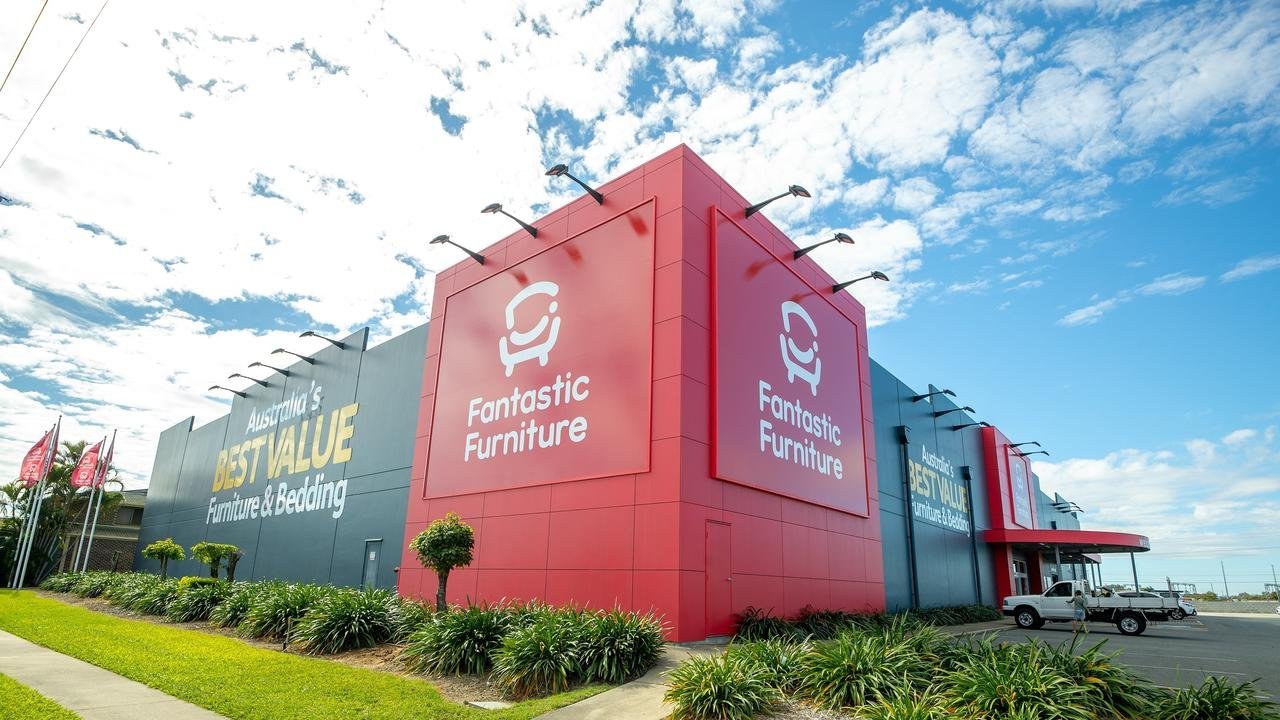
End of an Era as Fantastic Furniture Shuts Its Last Australian Factory, Leaving 100 Sydney Workers Facing an Uncertain Future While Production Heads to China and Vietnam
- After 35 years of building lounges on home soil, Fantastic Furniture’s final factory in Sydney’s south-west closes its doors this Friday.
- Around 100 workers at the Fairfield East plant are being offered retraining, redeployment and outplacement support as the company moves to a fully imported supply model.
- The decision follows the retailer’s takeover by Allegro in May and comes as other Australian retail names face their own financial pressures.
- David Jones has reportedly struggled to pay some suppliers and lost Dior, Gucci and Chanel, with one veteran analyst warning the Christmas rush will “only delay the inevitable”.
For three and a half decades, the sofas sitting in millions of Australian living rooms carried a quiet badge of honour. They were made here.
On Friday, that ends.
The machines at Fantastic Furniture’s Fairfield East factory will stop, the lights will go off, and about 100 workers in one of Sydney’s hardest-working corners will walk out of a plant that has been part of their lives for years.
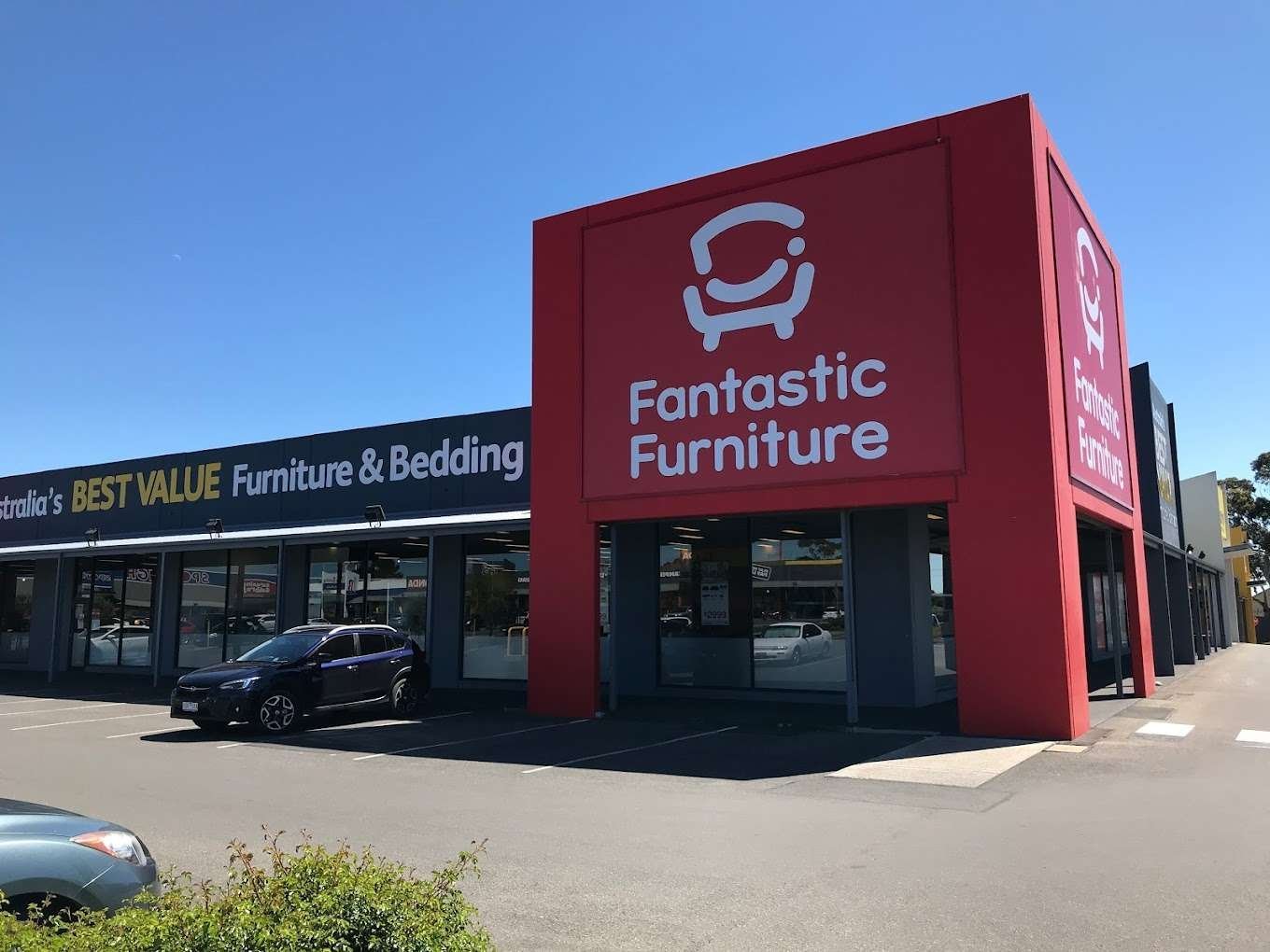
When they do, one of the country’s best-known furniture brands will stop manufacturing in Australia altogether.
From now on, the retailer’s products will come from factories in China and Vietnam.
The western Sydney site is the last of the company’s local manufacturing operations. While it accounts for only about six per cent of Fantastic Furniture’s total product range, its importance to one category is much greater.
Roughly a quarter of the brand’s loungeroom furniture, including the couches and modular suites that helped build its reputation, came off the Fairfield East production line.
The retailer, which still trades from more than 80 stores across the country, changed hands in May when it was acquired by Allegro. Within months, the new ownership has confirmed a major structural shift.
A company spokesperson told 7NEWS.com.au that switching to a global supply chain would underpin the long-term commercial health of the business. The spokesperson said it would also give Fantastic Furniture more room to keep investing in new product lines for Australian shoppers.
The company said its first priority was its staff.
It acknowledged the manufacturing team’s long contribution and pledged support through the transition, including retraining, redeployment where possible, access to its employee assistance program and outplacement services where applicable.
For the workers involved, the closure will still be a hard blow.
The Fantastic Furniture decision is the latest chapter in a long decline of Australian manufacturing.
The clearest example came in 2017, when Holden and Toyota closed their Australian car plants and ended local vehicle production.
Tens of thousands of jobs across the supply chain disappeared in the following years, and manufacturing communities in Adelaide, Melbourne and Geelong are still dealing with the effects.
Furniture has followed a similar path.
Labour-intensive production of upholstery, timber framing and foam has steadily moved to Asian manufacturing centres, where wages, energy costs and economies of scale often make it difficult for Australian factories to compete on price.
The timing also matters. Australian households have spent several years under heavy cost of living pressure.
Higher mortgage repayments, rents and grocery bills have reduced spending on big-ticket items such as furniture. When customers cut back, retailers look for savings, and a local factory with higher wage and energy costs becomes an obvious target.
A change in ownership often speeds up that process.
New owners tend to look closely at every part of a business, and a factory producing just six per cent of overall stock can be viewed as a cost rather than a strategic asset.
Analysis: What This Means for Australia
On paper, 100 jobs is a small number in a national economy. For Fairfield, the loss is more significant.
The Fairfield area is one of Sydney’s most culturally diverse communities and home to many migrant and working families who have relied on manufacturing and trade work.
Factory jobs like these often offer steady wages to workers whose skills and experience may not easily transfer to office or service roles. Many of the affected workers are likely to find that comparable jobs nearby are scarce.
The closure also raises broader concerns about economic resilience. The pandemic showed how vulnerable Australia can be when shipping is disrupted and overseas factories shut down.
Shelves emptied, delivery times stretched for months and prices rose. Each local plant that closes leaves the country more dependent on long and fragile supply chains.
That has implications beyond retail. Policymakers in Canberra have spoken about rebuilding sovereign manufacturing capability, but closures like this one point in the opposite direction.
Skills built up over generations, including upholstery, frame building and production management, can disappear quickly once a factory closes and are hard to rebuild later.
Customers may not notice much change at first. Imported products can be cheaper to produce, although whether those savings reach shoppers remains to be seen.
What will change is that another iconic name has stopped making its products in Australia.
Fantastic Furniture is also not the only retailer under pressure.
David Jones, the country’s oldest department store, has reportedly been struggling to pay some of its suppliers. It has also lost several major luxury labels, including Christian Dior, Gucci and Chanel, which had long helped define its premium image.
Retail expert Barry Urquhart has warned that the expected boost from Black Friday and Christmas trading will not be enough to rescue the department store. In his view, the festive sales period can only delay the inevitable.
Industry observers believe the two cases share a common thread. Rising operating costs, cautious consumers and intense competition from online and overseas sellers are putting pressure on established retail businesses that once seemed secure.
Economic analysts say the Fantastic Furniture closure fits a pattern visible in Australian Bureau of Statistics data, which has tracked manufacturing’s shrinking share of national employment over recent decades.
Each closure may seem minor in isolation, but together they represent a major shift in the country’s industrial base.
Labour market specialists warn that retraining programs, while welcome, often struggle to place displaced manufacturing workers into jobs with similar pay and security. Older workers in particular can face long periods out of work after a plant closes.
Supply chain experts also caution that relying entirely on offshore production can create risks if geopolitical tensions rise or global freight costs spike again. A business that once controlled part of its own production now depends fully on overseas partners.
For the workers at Fairfield East, those wider debates may feel distant. What matters to them on Friday is that their final shift will mark the end of Fantastic Furniture’s 35 years of Australian manufacturing.