
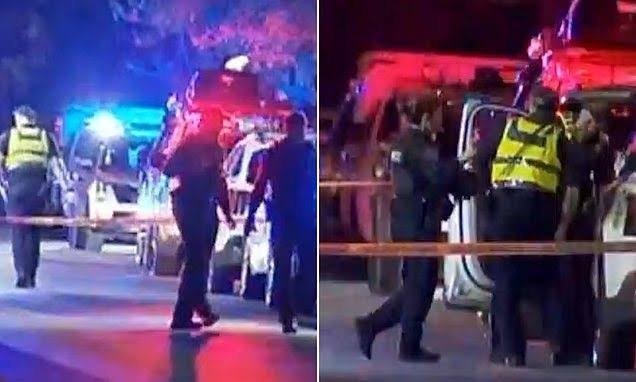
‘She Seemed Like Such a Peaceful Person’: Shock in Adelaide’s Leafy East as Police Shoot Dead Woman Allegedly Wielding an Axe After Taser Fails in 2am Confrontation
- A woman has died on a quiet suburban street in Firle after officers opened fire when a Taser allegedly failed to stop her during a pre-dawn stand-off
- Police say she was armed with an axe and threatened them moments after they arrived on Gwynne Street at around 2am
- Stunned neighbours remember a gentle gardener who loved chatting over the fence, saying they never saw a hint of aggression
- A former STAR Group officer who survived being shot 14 times warns the officers involved now face hours of interrogation and a heavy psychological toll
Two loud bangs ripped through the silence of a sleeping Adelaide street.
Some residents thought someone was thumping a back fence. Others heard shouting.
By the time the sun rose over Firle, a woman was dead, a police officer was injured, and a tight-knit pocket of the city’s eastern suburbs was left asking how a neighbour they knew as kind and softly spoken had ended her life in a hail of police gunfire.
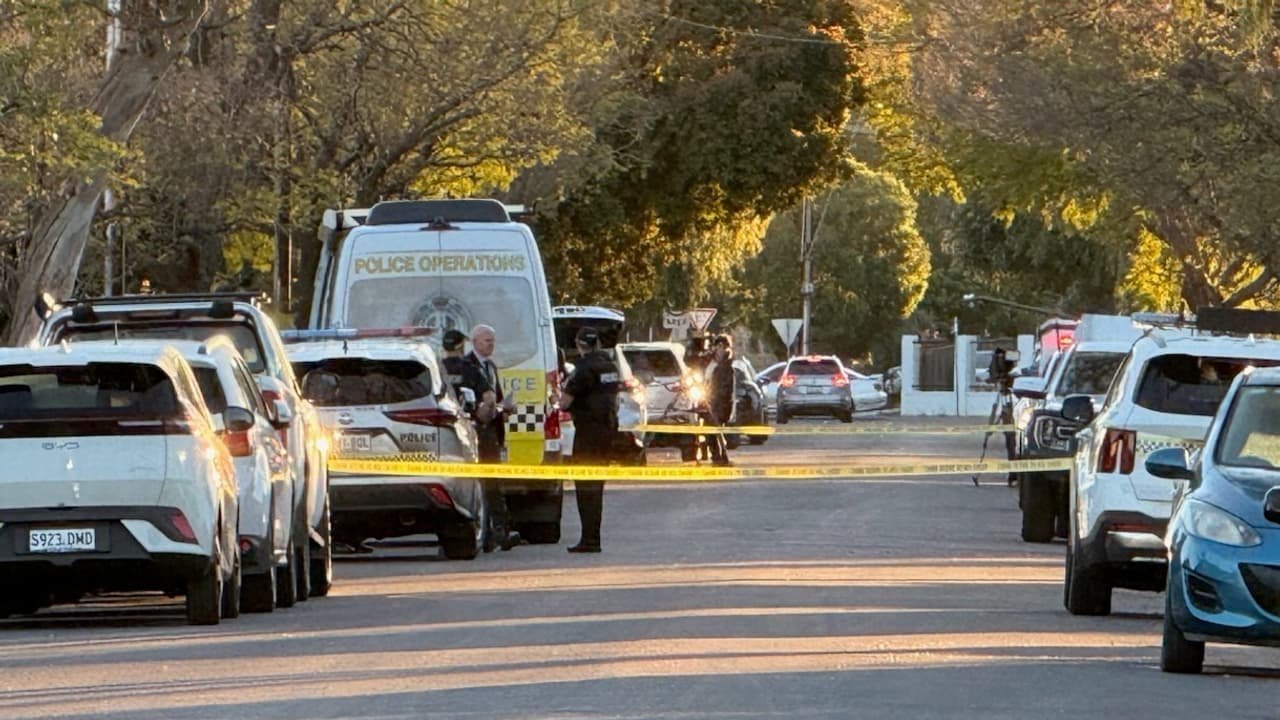
It is the kind of tragedy that no one on Gwynne Street ever expected to see.
Officers from South Australia Police were sent to the residential street at about 2am after reports that a woman was carrying an axe.
According to police, the woman confronted officers soon after they arrived and allegedly made threats towards them.
Police say a Taser was deployed first. It did not work.
An officer then fired a gun, hitting the woman. Police officers tried to save her with first aid until paramedics reached the scene, but she could not be revived and died where she fell.
One officer suffered minor injuries during the incident.
By daybreak, the street had been sealed off. Detectives from the Major Crime Investigation Branch, specialists from the Forensic Response Section and investigators from the force’s Internal Investigation Section were combing the area.
Police confirmed a report would be prepared for the coroner.
Gwynne Street remains closed to traffic, and motorists have been urged to stay away while investigators work.
For those who lived nearby, the official account sits uneasily beside their memories of the woman.
One neighbour who knew her told ABC Radio Adelaide she was deeply shaken.
She described the woman as a well-liked figure on the street who would always ask how people were going, and who would wander over while she was in her garden to ask whether she had any spare bricks.
The woman and her partner, the neighbour said, adored pottering around in their garden. She insisted she had never witnessed any sign of aggression from her.
That same neighbour said she had first been woken by heavy banging, which she assumed was someone hitting the laneway fence.
It was only when her daughter came in, asking whether she had heard the yelling and telling her it had sounded like gunshots, that the reality began to sink in.
Remarkably, amid her grief, she also spared a thought for the officer who pulled the trigger, saying she hoped they would recover both physically and emotionally from having to make such a split-second decision.
Another resident living a few doors away said she did not know the woman personally but had only ever seen her quietly tending her garden. To her, the woman appeared to live a reserved and peaceful life, which made the night’s events all the more confronting.
The deadly confrontation thrusts one of the most fraught questions in modern policing back into the spotlight: what happens when non-lethal options fail?
Tasers are carried by frontline officers across the country precisely to avoid moments like this one. But they are far from foolproof.
Heavy clothing, missed probes, distance and movement can all render the devices useless, leaving officers with seconds to respond to a threat they perceive as potentially deadly.
Every fatal police shooting in South Australia triggers multiple layers of scrutiny, from internal reviews to a coronial examination by the Coroners Court of South Australia.
These inquiries can stretch on for years, with findings often reshaping training, equipment and tactics.
Analysis: What This Means for Australia
The Firle shooting goes to the heart of how Australians expect their police to keep communities safe, and at what cost.
For public safety, the case highlights the razor-thin margins officers operate within when called to volatile situations in the dead of night. An edged weapon at close range is treated as a lethal threat, and once a Taser fails, the options rapidly narrow.
For law enforcement, the incident will inevitably feed into the ongoing national debate around police use of force, the reliability of conductive energy devices and whether more resources should go towards de-escalation and specialist crisis response.
For communities, the human cost is profound. A family has lost a loved one.
Neighbours are left traumatised by gunfire outside their bedroom windows. And an officer must now live with a decision made in an instant.
There are also broader social consequences. Incidents like this can erode trust between police and the public, particularly when the person killed is remembered as gentle and harmless.
Without full transparency, uncertainty can harden into suspicion, making future encounters harder for everyone involved.
Derrick McManus, who was shot 14 times while serving with the elite STAR Group during a 1994 siege, offered his sympathies to the woman and her family.
But he also urged the public to consider the wellbeing of the officers involved.
He explained that police are trained to fire in order to stop an imminent danger, and that aiming for a limb offers no guarantee a threat will be neutralised, which is why officers are taught to target the centre of the body.
Mr McManus warned that the officers would now face an intense investigation, potentially being questioned for hours straight after the shooting.
Law enforcement insiders say the aftermath of a fatal shooting can be among the most gruelling experiences of an officer’s career, with lasting effects on mental health that often go unseen by the public.
Policing analysts believe the coronial process will closely examine the sequence of events, including the timing of the Taser deployment, the distance between the woman and officers, and whether any alternative tactics were available in those critical moments.
Criminology observers note that research from bodies such as the Australian Institute of Criminology has long tracked deaths in police operations, and that each case adds weight to calls for consistent national reporting and review.
For now, Gwynne Street waits for answers. Flowers may soon appear at the cordon.
And a community that knew a woman for her garden and her greetings is left grappling with how her final moments came to this.