
Tragic End to Desperate Search as Body Found in Remote Gold Rush Town Believed to Be Missing Warrnambool Grandfather, 76, Who Vanished While Exploring Victoria’s Historic High Country
- A body found in the isolated alpine town of Walhalla is believed to be that of Geoffrey, a 76-year-old Warrnambool man who disappeared on Wednesday evening.
- His family raised the alarm because he had a medical condition and vanishing was completely out of character for him.
- He was last seen on Church Road around 6pm, apparently exploring the region’s historic sites.
- The tragedy unfolded about an hour from Cowwarr, where police are still searching for a missing 17-year-old boy.
He had come to walk among the ghosts of Victoria’s gold rush. He never came home.
A search for an elderly man who disappeared in one of the state’s most remote and rugged historic towns has ended in heartbreak. Police believe a body found in Walhalla is that of a 76-year-old man from Warrnambool whose disappearance had alarmed his family.
For his loved ones, the agonising wait for news has given way to grief.
For those who live in and visit Victoria’s high country, it is a stark reminder of how quickly a quiet afternoon in the bush can turn deadly.
The man, identified by police only by his first name, Geoffrey, was last seen on Church Road in Walhalla at about 6pm on Wednesday.
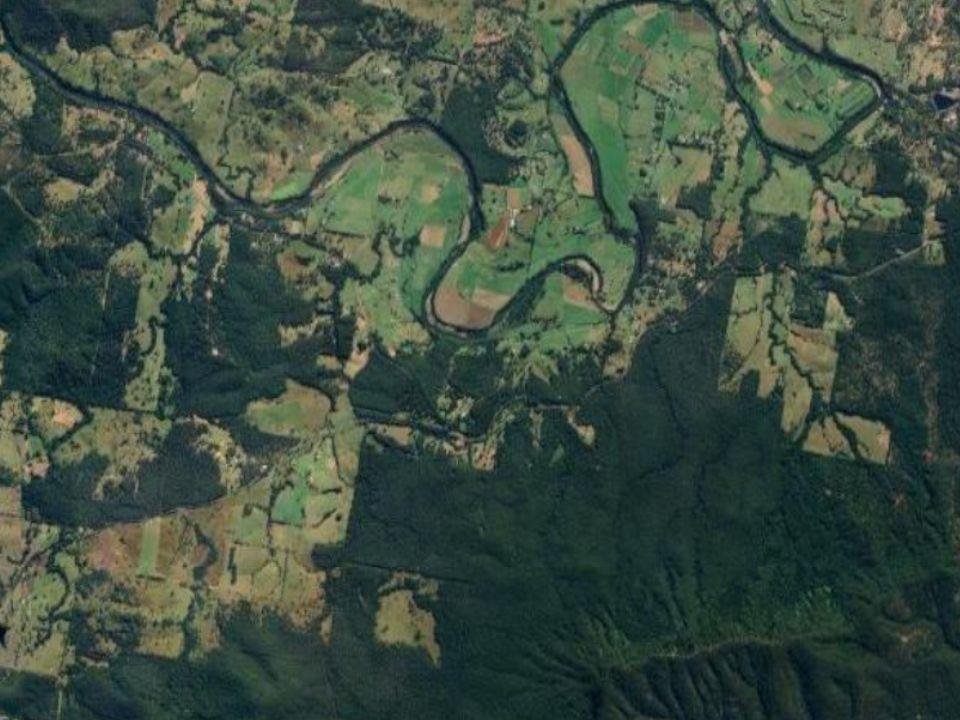
He is believed to have travelled to the area to visit its historical sites. The tiny former mining settlement sits deep in Gippsland’s alpine foothills, north of Morwell, and draws a steady stream of heritage enthusiasts every year.
When he failed to resurface, his family quickly grew worried. Victoria Police said relatives were concerned because Geoffrey had a medical condition, and because disappearing without explanation was entirely unlike him.
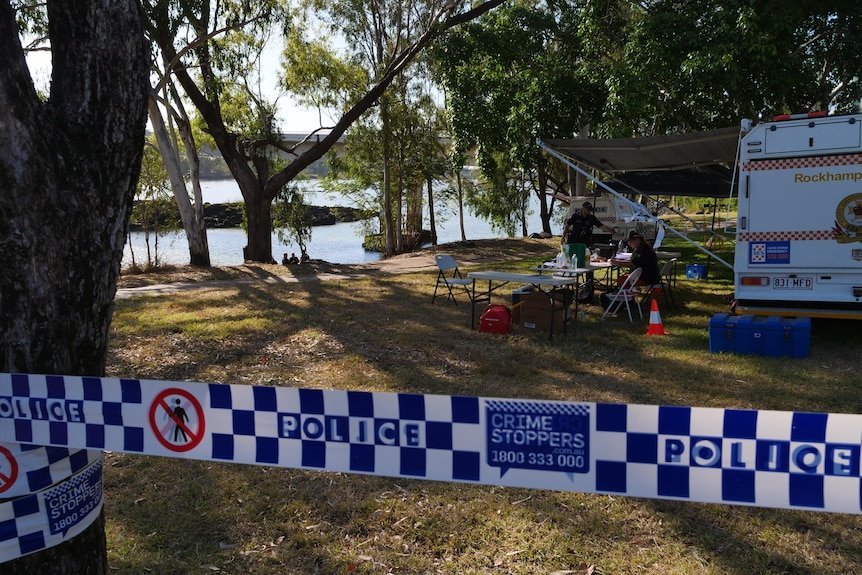
A body was found in Walhalla in the following days. A police spokesperson confirmed a deceased male had been located and that a report would be prepared for the Coroners Court of Victoria.
Formal identification has not yet taken place. However, police said they believe the remains are those of the missing 76-year-old.
The death is not being treated as suspicious.
Investigators have not released Geoffrey’s surname, and they have not given details of where the body was found or how he died.
The discovery came as a separate, unrelated search continues near Cowwarr, about an hour’s drive east of Walhalla, where police and volunteers are still looking for a missing 17-year-old boy.
Two missing persons cases running at the same time in the same corner of the state have put a heavy load on local emergency resources.
To understand why a disappearance in Walhalla is so dangerous, you have to understand the place itself.
The town was born in the gold rush of the 1860s, after prospectors struck rich deposits along Stringers Creek. At its peak it was a booming settlement of thousands, wedged into a steep, narrow valley and surrounded by dense mountain forest.
When the gold ran out, the people left. Today only a handful of permanent residents remain.
The town survives largely on tourism, with visitors drawn to its preserved buildings, old mine workings, cemetery perched on a hillside and heritage railway.
That beauty hides real hazards. The terrain is steep and heavily timbered.
Walking tracks wind through gullies where light fades early.
Mobile phone coverage across parts of Gippsland’s high country is patchy at best, and temperatures in the ranges can fall sharply after dark, even outside winter.
For an older visitor with a medical condition, alone as night approached, the margin for error was dangerously thin.
Analysis: What This Means for Australia
Geoffrey’s death is a deeply personal tragedy. It also raises uncomfortable questions about public safety in Australia’s remote tourist destinations, which often lack the basic infrastructure that city dwellers take for granted.
Australia’s population is ageing fast. More retirees are taking to the road, exploring heritage trails, national parks and historic towns across regional Victoria and beyond.
Many travel alone or in pairs, often managing chronic health conditions.
The isolated places that attract them are frequently the places least able to respond when something goes wrong. Search operations in rugged terrain eat up police time, volunteer hours and specialist equipment.
When two searches run at once within an hour’s drive of each other, as they have in Gippsland this week, those resources are stretched to the limit.
The economic stakes are significant too. Heritage tourism is a lifeline for small communities like Walhalla, where visitors keep cafes, accommodation and historic attractions alive.
Ensuring those visitors are safe is not just a moral duty but a matter of economic survival for towns that have few other options.
Nationally, tens of thousands of missing persons reports are made every year, according to data from the Australian Federal Police National Missing Persons Coordination Centre. Most people are found safe and quickly.
Cases involving elderly people with health conditions in isolated areas, though, are among the most time-critical that police handle.
The broader debate over regional mobile coverage is likely to intensify as more Australians venture into black spots where a single phone call could mean the difference between life and death.
Search and rescue experts say the first hours after someone vanishes are crucial, particularly when the missing person has a known health condition. Weather, terrain and darkness can all rapidly shrink the chance of a good outcome.
Law enforcement insiders warn that families should never hesitate to report someone missing. There is no requirement to wait 24 hours, a myth that persists despite years of public messaging.
In Geoffrey’s case, his family’s instinct that something was wrong was swift.
Regional safety advocates believe better signage, more emergency communication points and wider phone coverage in heritage and tourist areas could help prevent similar tragedies.
They also urge older travellers to share detailed plans with relatives, carry a charged phone or personal locator beacon, and avoid walking alone late in the day.
Community observers note that small towns like Walhalla often feel these losses acutely. In a settlement with so few permanent residents, an emergency involving a visitor quickly becomes everyone’s concern.
Police will now prepare their report for the coroner, who will examine the circumstances of Geoffrey’s death.
For his family in Warrnambool, far to the west on the state’s south-west coast, the answers cannot ease the loss. A man who set out to explore a piece of Victoria’s past has become another reminder of how unforgiving the high country can be.
Meanwhile, near Cowwarr, the search for a teenage boy goes on, and another family waits for news.