
Schoolboy, 15, Knifed Repeatedly in the Stomach Outside Sydney High School in ‘Targeted’ Morning Attack as Tradies and Teachers Rush to Save Him and Boy, 16, Is Arrested
- A 15-year-old was allegedly stabbed several times in the abdomen just metres from the gates of Casula High School as students arrived for the day
- Police say the attack was “targeted” and that the two teenagers knew each other, but the motive remains a mystery
- Two tradesmen and two teachers ran to help the bleeding boy before paramedics arrived, a senior officer revealed
- A 16-year-old was arrested at a Heckenberg home, and a knife found near the scene is awaiting forensic testing
It should have been an ordinary weekday morning. Backpacks, buses and the last-minute shuffle through the school gates.
Instead, a quiet street in Sydney’s south-west became a crime scene.
A 15-year-old boy lay wounded on the footpath with multiple stab wounds to his stomach, while strangers and teachers knelt beside him to keep him alive.
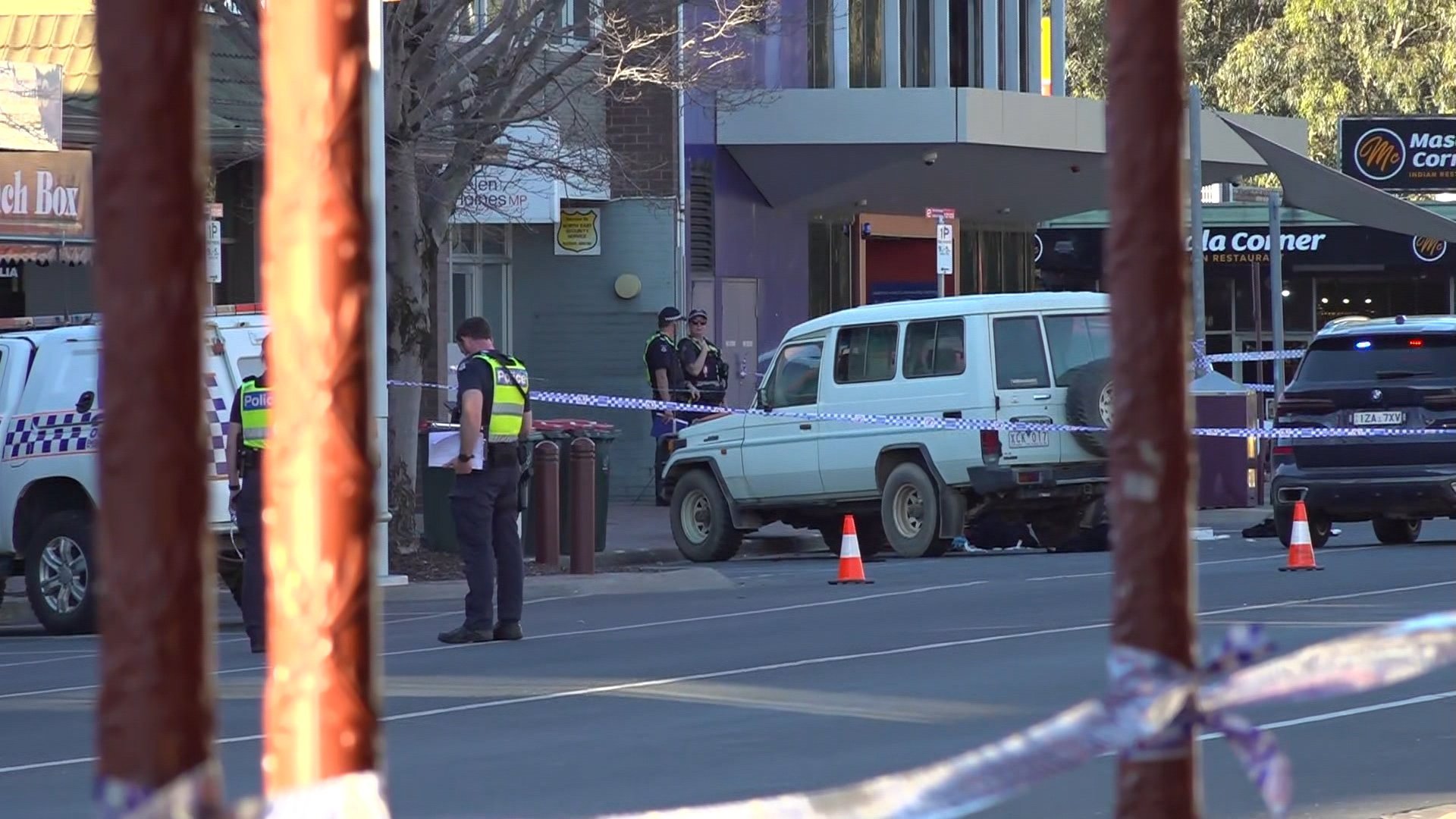
The alleged attack outside Casula High School has left parents shaken and reignited a question that keeps coming back across Australia. How are knives still getting into the hands of children, and why are they using them on each other?
Emergency services were called to Myall Road in Casula shortly before 8.30am, the hour when students fill the surrounding footpaths. Callers reported an assault unfolding outside the school.
When officers arrived, they were told the teenager had been stabbed several times in the abdomen.
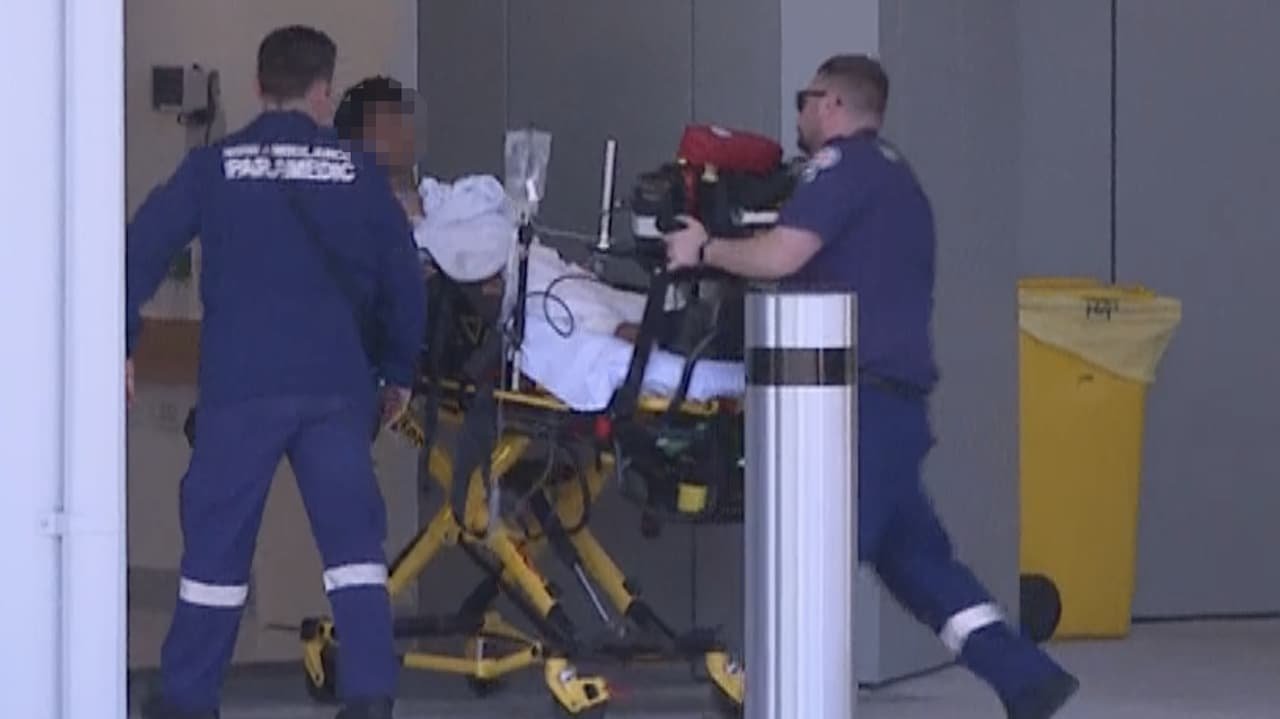
Paramedics worked on the boy at the scene before taking him to Liverpool Hospital.
He was later reported to be in a stable condition, an outcome that may owe a great deal to the people who refused to look away.
Superintendent Robert Toynton of the NSW Police Force said he understood that a couple of tradesmen had stepped in to help, along with two teachers from the school.
Their quick response came in the critical minutes before medical help arrived.
Hours later, detectives went to a home in Heckenberg, a few suburbs away. They arrested a 16-year-old boy, who was assisting police with their inquiries at the time of reporting.
No charges had been publicly announced.
Superintendent Toynton described the incident as “targeted” and confirmed the two boys were known to each other.
He said the central question for investigators was why it happened, and why police were responding to an incident in which a 16-year-old had allegedly stabbed a 15-year-old.
Officers found a knife close to the scene. It has not yet been forensically examined or formally linked to the stabbing.
Several witnesses have already spoken to detectives. Police are urging anyone else who saw the attack, or who has dashcam or phone footage, to come forward or contact Crime Stoppers.
A spokesperson for the NSW Department of Education said support was being offered to everyone affected. The department said its thoughts were with the injured student and that the safety and wellbeing of students and staff remained its top priority.
The attack does not stand alone.
It comes amid years of growing alarm about knife crime among young Australians, a problem that has moved from the margins of public debate to its centre.
In 2024, a string of high-profile stabbings in Sydney shocked the nation and pushed the NSW Government to toughen its laws. Those changes included giving police expanded powers to use handheld metal detectors in designated areas and tightening restrictions on selling knives to minors.
Queensland had already led the way with its own wanding laws, introduced after the killing of teenager Jack Beasley on the Gold Coast. Victoria and other states have since moved to restrict the sale and carrying of dangerous blades.
Yet incidents keep happening. Schools, shopping centres and train stations, the everyday spaces where young people gather, keep turning up in police reports.
South-west Sydney is a diverse, fast-growing region and home to tens of thousands of school-aged children. It has repeatedly found itself at the centre of conversations about youth crime, social media feuds and the pressures facing teenagers in rapidly expanding suburbs.
Analysis: What This Means for Australia
The most confronting part of the Casula stabbing is not only the violence. It is where and when it allegedly took place: outside a public high school, during drop-off, in full view of the community.
For families, the school gate is supposed to be a safe boundary. When that boundary is breached, confidence in the whole system takes a hit.
Parents begin to ask whether their children are safe walking to class, catching a bus or standing in line outside the front office.
For law enforcement, the incident exposes a stubborn gap. Tougher knife laws and wanding powers are mostly designed for public hotspots such as transport hubs and entertainment precincts.
The streets around suburban schools are rarely covered, and they are exactly where many teenage conflicts come to a head.
A “targeted” attack between two boys who knew each other suggests a dispute that may have simmered before it erupted.
That raises hard questions about whether warning signs were missed, whether online threats played a part, and whether schools have the resources to step in early.
There is a social and economic cost too.
Every serious youth assault places further pressure on emergency departments, already stretched in Western Sydney, and on a youth justice system struggling to balance rehabilitation with community safety.
Teachers are increasingly expected to act as first responders, a role few signed up for.
Nationally, this case is likely to feed renewed demands for consistent knife laws across states, better data on youth weapon carrying, and more investment in prevention programs rather than reactive policing alone.
Law enforcement insiders warn that knives have become disturbingly normal among some teenage groups. Some young people carry blades for “protection” and are then drawn into confrontations they cannot de-escalate.
Security analysts say laws targeting the sale of knives can only go so far when kitchen knives are in almost every home. They argue that meaningful change depends on early intervention, mentoring and stronger links between schools, police and families.
Education observers believe schools need dedicated funding for wellbeing staff and conflict-resolution programs. They warn that teachers cannot be expected to manage escalating disputes that often begin, and are inflamed, on social media long before the morning bell.
Child safety advocates stress that the bystanders who intervened in Casula showed the community at its best. They warn, however, that ordinary people should never have to throw themselves into a knife attack outside a school.
For now, a 15-year-old boy is recovering in hospital, a 16-year-old is in police hands, and a south-west Sydney community is left asking the question detectives are asking too: why?