
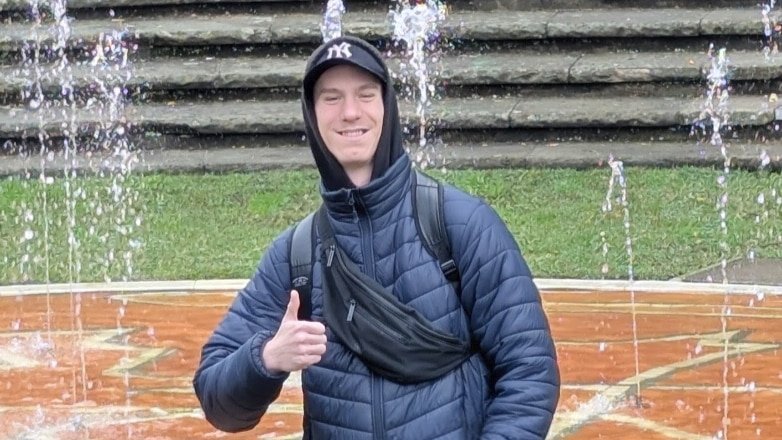
‘Throwing Absolutely Everything At This’: Desperate Race Against Time as Shirtless Teen Vanishes Into Freezing Gippsland Bushland, Leaving a Mysterious Trail of Missing Camping Gear
- A 17-year-old named only as William has been missing since Friday after setting off alone to fetch an esky just one kilometre from his campsite in Victoria’s rugged east
- The teenager is believed to be wearing nothing but shorts and work boots, having taken his shirt off in the afternoon warmth before temperatures plunged
- A fishing tackle box, two pillows and a fold-out table top have disappeared from the drop-off point, but police cannot say whether William took them
- Helicopters, boats, horses and dozens of searchers are scouring dense terrain as police warn eager locals not to become victims themselves
It should have been the simplest of errands. A short walk back down a bush track, an esky to collect, a few supplies to carry to camp.
Instead, a Victorian family is enduring every parent’s worst nightmare.
A 17-year-old boy has now spent several days and nights lost in some of Gippsland’s most unforgiving country, almost entirely exposed to the elements, as one of the region’s largest search operations in recent memory pushes deeper into the scrub.
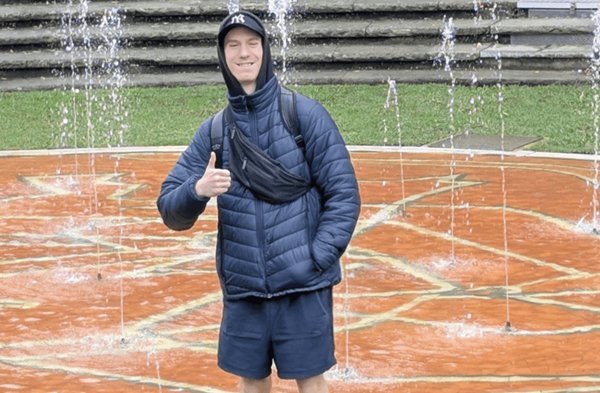
Police are refusing to give up hope. They say the teenager’s youth, height and strength may be what keeps him alive.
Authorities have identified the missing boy only as William, withholding his surname. He was on a camping trip at Walhalla East, near the small township of Cowwarr, when he disappeared on Friday.
According to police, William and his stepbrother had been dropped off roughly a kilometre from where they planned to pitch camp. William then headed back on foot to the drop-off point to retrieve an esky and other gear.
He never returned.
What searchers found next has only deepened the mystery. The esky was located a short distance from where it had originally been left.
But several other items were gone entirely: a fishing tackle box, two pillows and a brown fold-out table top.
Investigators have been frank that they simply do not know whether William picked up those items himself.
Compounding fears for his welfare, the teenager had removed his shirt during the warm Friday afternoon. Police believe he has since weathered cold conditions clad only in shorts and work boots.
His mother, Elizabeth Barkley, has said her son has very little experience of camping.
Victoria Police Acting Inspector Jason Benbow said the boy’s physical condition was giving authorities reason to remain optimistic.
He described William as a fit, healthy and notably tall and strong young man, and said police were clinging to the hope that his health would carry him through until rescuers reached him.
The scale of the response has been immense. Acting Inspector Benbow said the operation had deployed two helicopters, boats, motorbikes and horses, alongside more than 50 searchers on foot.
Around 80 emergency service personnel combed the bushland in a single day of searching, with more people being brought in as the operation continued.
He said police were committing every available resource and had no intention of winding the search back any time soon.
The Cowwarr Football Netball Club clubroom has been converted into a staging area for emergency crews, while volunteers have pitched tents on the grounds in preparation for a lengthy effort.
On Monday afternoon, a police helicopter touched down on the club’s oval, a stark sign of how this quiet country community has been transformed into a command centre.
Police had earlier appealed for a couple who stopped to assist William’s stepbrother on Friday to come forward. Officers have since spoken with them.
The case has landed amid an already sombre week in the area.
In the historic gold mining town of Walhalla, about an hour’s drive from where William vanished despite the similar place name, a 76-year-old man from Warrnambool was found dead.
Police have not suggested any connection between the two matters.
Gippsland’s high country is famously beautiful and famously treacherous.
Thick vegetation, steep gullies and patchy phone coverage can turn a short stroll into a disorienting ordeal within minutes, and conditions can shift from balmy to bitterly cold between afternoon and nightfall.
Analysis: What This Means for Australia
William’s disappearance is a sharp reminder of a danger that hangs over every Australian who heads into the bush: the margin between a routine outing and a life-threatening emergency can be as little as a single kilometre.
For public safety, the lessons are confronting.
A lone walk, a change of clothing in the heat of the day, limited bush experience and fast-falling temperatures are exactly the kind of compounding factors that turn missing persons cases in remote areas into a desperate race against the clock.
For law enforcement, the operation highlights the enormous strain such searches place on regional resources.
Aircraft, water units, mounted officers and large ground teams must be assembled and sustained across difficult terrain, often for days, drawing heavily on police and emergency service capacity in areas where personnel are already thinly spread.
Then there is the community dimension. Locals have flooded the Sale area with offers of help, a powerful expression of the solidarity that defines rural Australia.
Yet police have been forced into a delicate balancing act.
Acting Inspector Benbow said that while authorities would love to accept the community’s help, they had to be careful not to create further problems, stressing that nobody else should end up lost or injured in the bush.
It is a tension that plays out in almost every major bush search: the instinct to rush in versus the reality that untrained volunteers can quickly become additional casualties, diverting crews from the primary task.
There are broader social consequences too. Growing numbers of Australians are embracing camping and outdoor recreation, many of them young people with limited experience.
Cases like this one intensify calls for better bushwalking safety education, from carrying adequate clothing to never separating from a group in unfamiliar terrain.
Search and rescue specialists say the first days of any bush disappearance are critical, but stress that people have survived extended periods in the wild, particularly those who are young and physically robust.
Law enforcement insiders warn that exposure, rather than injury, is often the greatest threat to someone lost without proper clothing, which is why the scale and speed of the response matter so much.
Emergency management observers believe the decision to keep volunteers out of the immediate search zone, however frustrating for locals, reflects hard-won experience from previous operations where well-meaning helpers required rescuing themselves.
Outdoor safety advocates say the case should prompt every family planning a trip into remote country to review basic precautions before setting out.
For now, the focus remains firmly on one goal: bringing William home.
Anyone with information is urged to call Triple Zero, contact Crime Stoppers Victoria, or get in touch with Sale Police Station.