
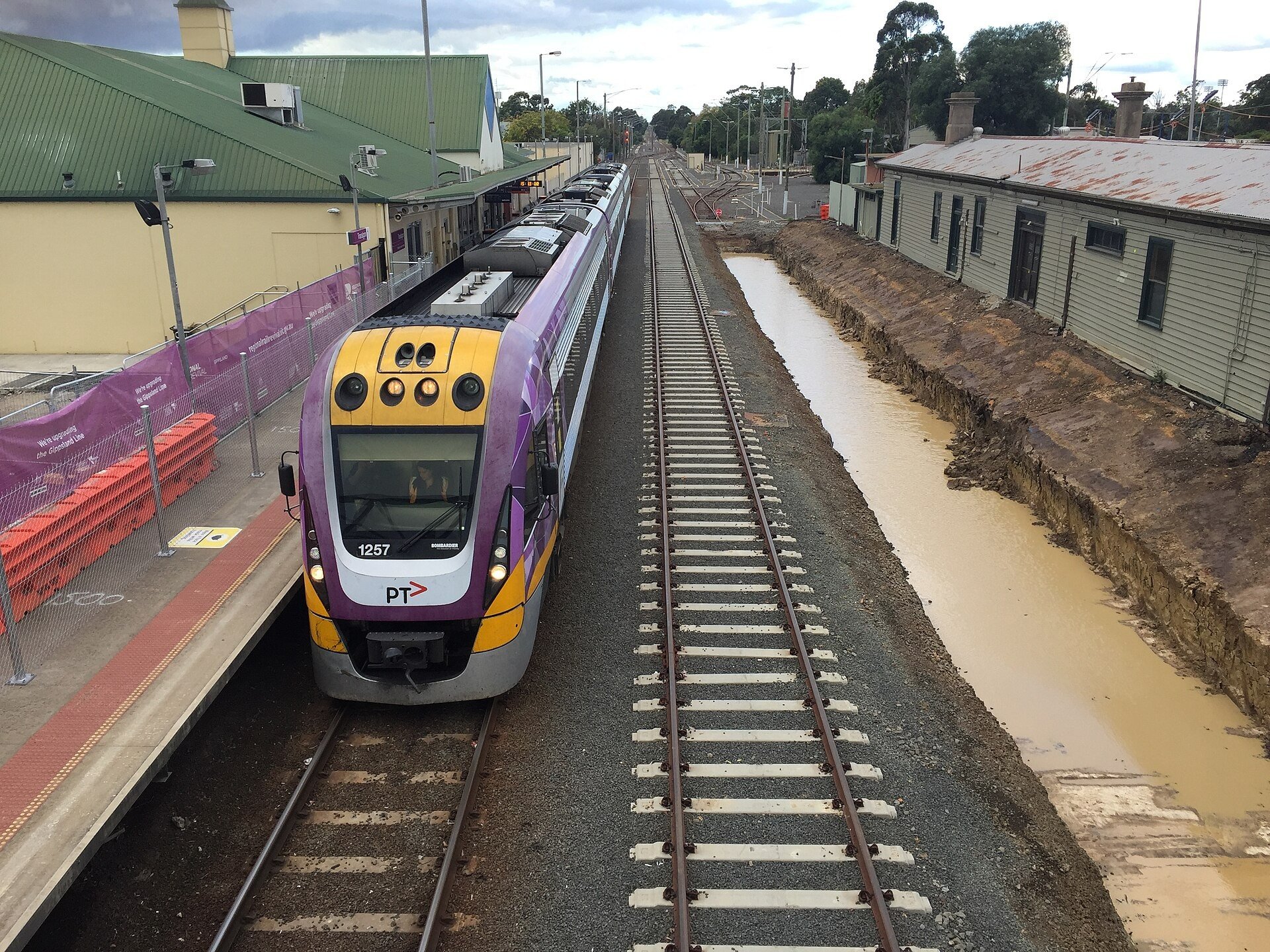
‘For 33 Years, We’ve Been Disadvantaged’: The Forgotten Victorian City Without a Passenger Train, and the $51 Million Election Promise Critics Say Won’t Get It Back on Track
- Mildura has had no passenger train since September 1993, when Jeff Kennett’s Coalition government axed the service to cut state debt. The same party now promises to bring it back.
- A brain-bleed patient airlifted to Melbourne was told by hospital staff to “just get a train home”. His family had to hire a car for the six-hour drive.
- Rail experts warn the Opposition’s $51 million pledge is “well underdone” and would barely cover running costs on lines limited to 80km/h.
- Pauline Hanson’s One Nation is tipped to seize as many as four Nationals seats in regional Victoria, and locals say broken rail promises are fuelling the revolt.
Picture a man collapsing with bleeding on the brain, hundreds of kilometres from the surgeons who can save him.
He is flown to Melbourne. His sister and niece scramble onto a plane after him, not knowing whether they will be planning a recovery or a funeral.
He survives. Then comes the second ordeal: getting home.
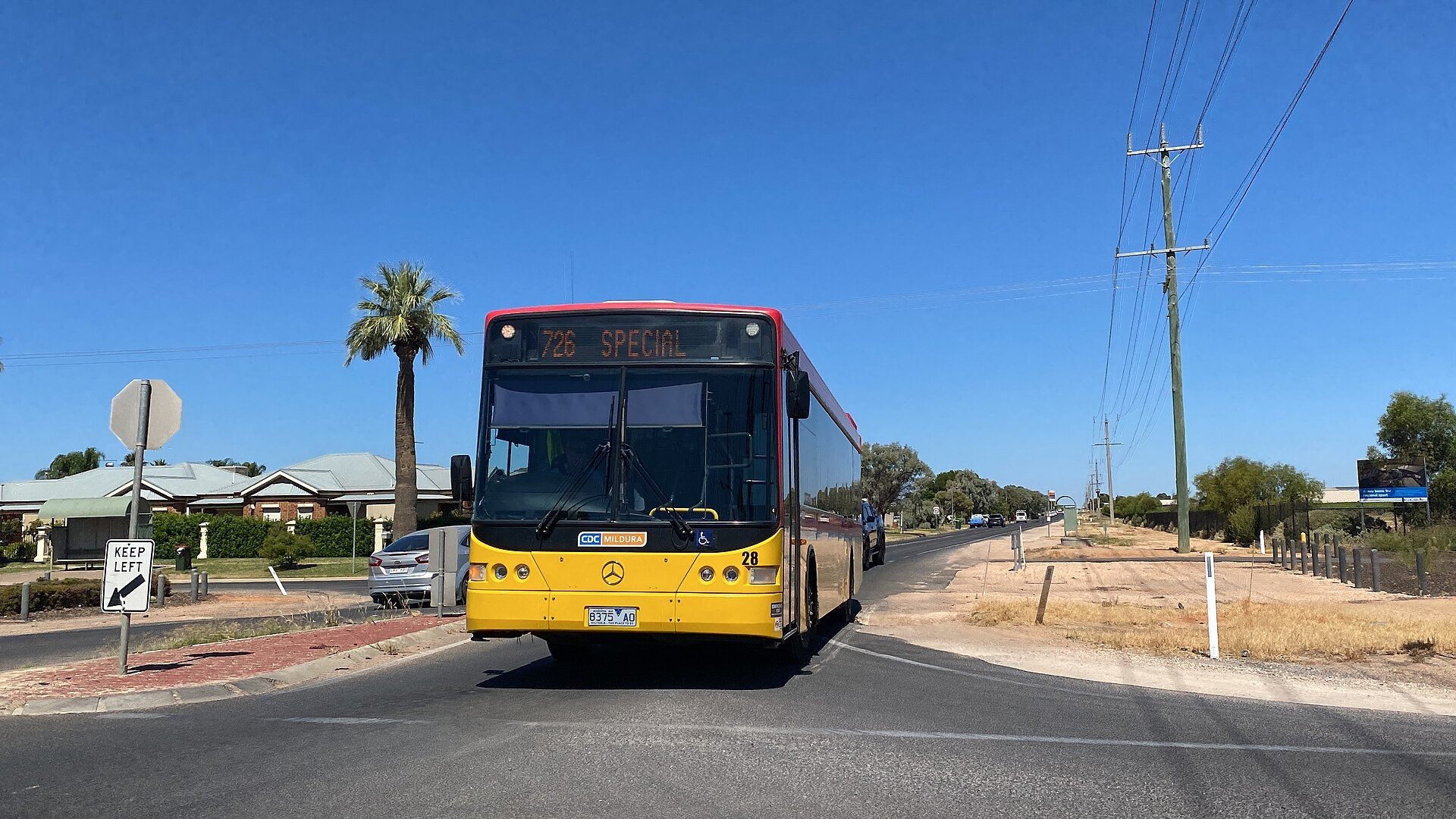
When the family asked for advice, hospital staff offered a cheerful suggestion. Why not catch the train?
There is no train. Not to Mildura.
Not for more than three decades.
That episode, relayed by local rail campaigner Julie Calaby, captures the quiet humiliation felt by a city of tens of thousands stranded at the far north-western tip of Victoria.
The family hired a car. Calaby says such stories are routine, and she calls the situation “appalling”.
Now, with the Victorian state election looming, Mildura’s empty platform has become one of the most politically charged slabs of concrete in the state.
Last month Jess Wilson put $51 million on the table for a Mildura–Maryborough service running three round trips a week, with passengers able to change onto V/Line trains for the rest of the journey to Melbourne.
If all goes to plan, passengers could be boarding by mid-2029.
Wilson says the same money would also restore services between Dimboola and Ararat, another route shut down in 1993.
The irony is impossible to ignore. It was the Liberal-National Coalition, under then-premier Jeff Kennett, that switched off Mildura’s line in the first place.
Today, getting from Victoria’s sixth-largest city to the capital means paying upwards of $200 for a one-way flight, enduring roughly six hours behind the wheel, or piecing together an even longer journey of buses and trains.
The station itself sits on prime land between the town centre and the red gum-lined Murray River. Freight trains still rumble through, hauling the region’s prized grapes and citrus.
Passengers do not.
The final passenger service departed on September 12, 1993, one of several regional casualties of Kennett’s debt-slashing drive. It was supposed to be the second-last run.
The true farewell, scheduled five days later, was cut short when false reports of a landslide forced travellers off the train and onto buses. Locals saw it as an omen.
Kennett, who backs the new plan to restore regional trains, remains unapologetic about the original cuts.
He told The Age that dire economic circumstances demanded putting the state’s interests ahead of political ones, and that every service had been weighed carefully on cost and return.
Mildura has heard the promise of a returning train before, more than once.
Labor vowed to reinstate services ahead of the 1999 election, which it won. Its pledge to have trains running by 2004 collapsed after talks with the company holding the Mildura line lease broke down.
Ararat and Bairnsdale got their trains back that year, a reminder of how far behind Mildura has fallen. Mildura was left behind.
In 2018, the Coalition put up $80 million to extend services from Maryborough to Donald, a town still more than 200 kilometres short of Mildura. By 2022, that had been abandoned in favour of a proposed $100 cap on regional airfares.
Asked why it had swung back to rail this time, a Coalition spokesperson declined to give a direct answer.
Small wonder local Lucie Haley reports a common refrain around town: residents will believe it when they see it.
Analysis: What This Means for Australia
Mildura’s plight is not just a local transport grievance. It is a case study in how decades of patchy infrastructure investment can corrode trust in government across regional Australia.
The human cost is clear.
When medical emergencies send patients to Melbourne, families are left to shoulder steep airfares or long drives at their most vulnerable moments, adding to an already punishing cost of living burden in the bush.
The economic damage is harder to measure but just as real. Calaby says tourism has slumped, noting the region’s paddle steamers have decamped to Echuca.
She says some people have told her they abandoned plans to move to Mildura once they learned it had no train, a worrying sign for a city competing for workers and new residents.
There are public safety concerns too. Removing rail options pushes more people onto long, fatigue-prone highway trips, raising questions about road safety in remote areas.
And politically, the ground is shifting fast.
Former independent MP Ali Cupper, who held Mildura from 2018 to 2022 and now leads the NorthWest Rail Alliance, says the Nationals arrive every election promising money that never materialises, leaving the door open for One Nation.
She jokes that a visit from Pauline Hanson would spark something like Beatlemania.
The surging minor party is tipped to snatch up to four Nationals seats in regional Victoria, Mildura among them. Notably, the Coalition’s proposed route would also pass through the Labor-held seat of Ripon, a three-way battleground with One Nation.
One Nation’s Mildura candidate, Guy Cooper, told the ABC he supports bringing trains back but won’t commit funding until after polling day. The Greens back the idea too, offering $3 million to get early planning work started.
Labor has made no promise, instead attacking the Coalition’s figures as poorly costed.
Transport specialists share Labor’s doubts about the numbers.
Rail Futures Institute director John Hearsch has described the $51 million as “well underdone”, warning that operating costs alone on the Mildura and Dimboola lines would consume the entire sum.
He also points out trains on the existing track can travel no faster than 80km/h.
Notably, the state’s arm’s-length infrastructure adviser, Infrastructure Victoria, has not once backed bringing passenger rail back to either Mildura or Horsham. Detailed timetables and costings will be locked in only after talks with rail operators, according to the Coalition.
Infrastructure observers believe that without significant track upgrades, any revived service risks becoming a slow, symbolic gesture rather than a practical alternative to flying or driving.
Political analysts say the timing of the pledge reflects anxiety inside the Coalition about losing its regional heartland to a populist insurgency, and warn that another broken promise could deepen voter cynicism.
Regional development watchers argue the bigger question is whether any government will commit to the long-term funding needed to make rail genuinely viable, not just announce it at election time.
For Julie Calaby, the debate over costings and campaign tactics misses the point. She believes the town’s future depends on it.
Mildura, she says, is simply too far behind the eight ball.