
Fred Nile Dead at 92: Firebrand Preacher Who Waged Four-Decade War on Mardi Gras, Abortion and Gay Marriage Leaves Behind a Legacy That Still Divides NSW, and a Surprise Final Act That Stunned His Fiercest Critics
- Reverend Fred Nile, the longest-serving MP in NSW history when he lost his seat in 2023, has died peacefully at the age of 92.
- The crusading clergyman spent more than 40 years in the Legislative Council fighting abortion, same-sex marriage and the Sydney Gay and Lesbian Mardi Gras, and once tried to outlaw topless sunbathing.
- In an unexpected twist, his most determined parliamentary opponent has now called for a state service, crediting Nile with helping clear the names of hundreds of gay men.
- Former premier Bob Carr has suggested the preacher’s thunderous attacks on Mardi Gras may have been aimed more at his voter base than driven by genuine conviction.
For more than four decades, he was the voice that rang out against the tide.
When Sydney danced, Fred Nile prayed for rain. When reformers pushed for change, he stood in the doorway.
Now the man who became a byword for moral conservatism in Australian public life is gone, and the state he spent a lifetime trying to shape is grappling with what he truly leaves behind.
The Reverend the Honourable Frederick John Nile died peacefully on 21 November, aged 92. His family shared the news on social media, saying they were announcing his passing with deep sadness.
He leaves his wife, along with children, grandchildren and great-grandchildren. The family said arrangements for a service or memorial would be released in the coming days.
His departure from parliament came at the 2023 state election, when voters finally ended a career in the upper house that had stretched beyond 40 years.
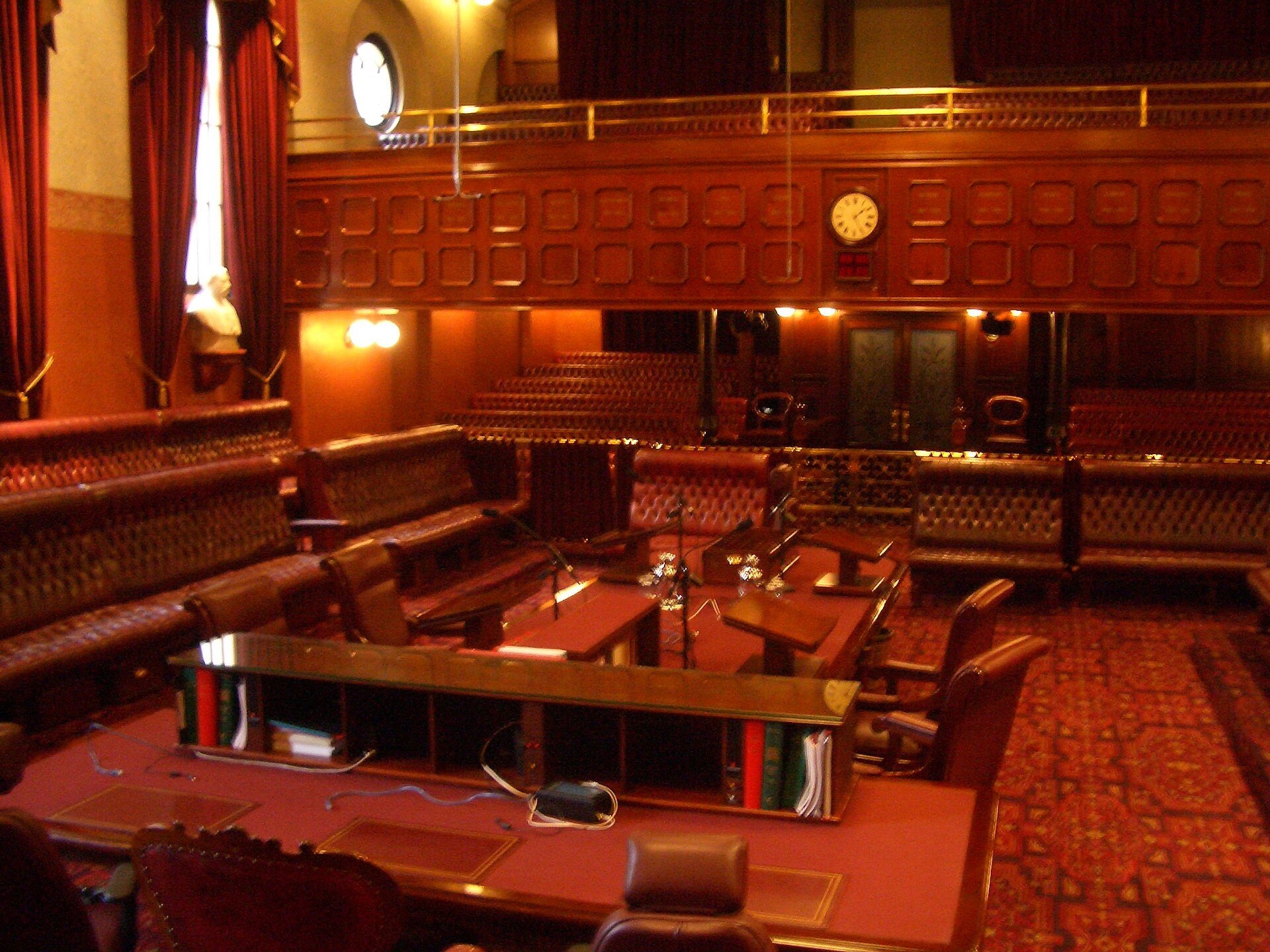
At the time, no one in the chamber had served longer.
The tributes that followed his death have been striking, not least for who delivered them.
Among the first to speak was Alex Greenwich, the independent Member for Sydney and one of the most prominent LGBTQ+ voices in NSW politics. The two men clashed repeatedly across the chamber.
Yet Mr Greenwich said Nile always “played the ball, not the man”, conceding they disagreed often but did so as adults.
Mr Greenwich revealed that, late in Nile’s parliamentary life, the pair had forged a productive working partnership to advance protections for First Nations cultural sites.
He also pointed to Nile’s key role in passing laws to expunge historical homosexual convictions, landmark reforms that wiped the records of hundreds of gay men.
He believes Nile’s life should be marked with a state service.
Barry O’Farrell, the former Liberal premier, described Nile as diligent and forthright.
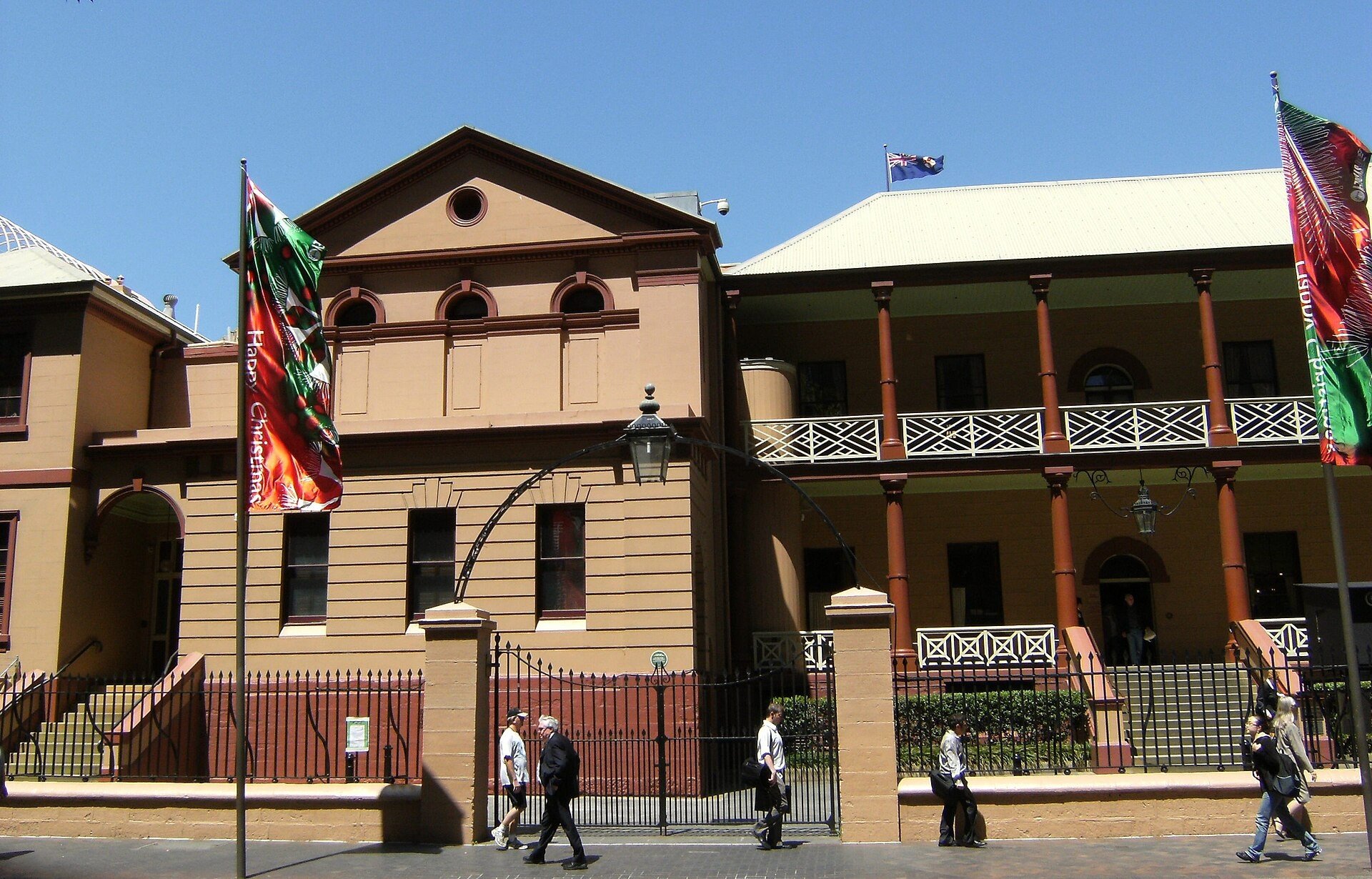
Whatever people made of his views, Mr O’Farrell said, Nile always turned up to argue his case, whether at a public meeting or on the floor of Parliament of New South Wales, and never made it personal.
He called the reverend’s political endurance extraordinary.
Labor’s Bob Carr went further, praising Nile as a deeply honourable figure who never held crucial economic legislation hostage to win concessions on moral issues. If Nile promised his vote, Mr Carr said, he always delivered.
But the former premier also offered a provocative assessment.
He suggested the reverend’s lurid, end-of-days denunciations of Mardi Gras were largely about keeping his supporters onside, adding he was unsure how much Nile actually believed them, particularly in earlier years.
Nile’s story began in Kings Cross in 1934, the very heart of the inner-city world he would later spend decades condemning. He was schooled in Mascot and Surry Hills before heading to Melbourne for bible college.
Back home in NSW, he entered the ministry, taking holy orders in 1964.
In 1981 he entered state parliament under the banner of Call to Australia, a party he built himself. From 1997 he sat for the Christian Democratic Party.
In 2004 he quit the Legislative Council to chase a seat in Canberra, a bid that failed, before returning to the upper house that same year.
He stayed until the 2023 defeat.
His campaigns became the stuff of Sydney legend. He railed against abortion laws, opposed same-sex marriage and made the annual Mardi Gras parade a recurring target.
His push to ban topless sunbathing on the city’s beaches remains one of the most memorable episodes of his career.
He lived long enough to see much of that agenda overtaken.
Same-sex marriage became law nationally after the 2017 postal survey, NSW decriminalised abortion in 2019, and Mardi Gras grew into one of the country’s biggest public celebrations.
Analysis: What This Means for Australia
Nile’s death closes a chapter in how minor parties wield influence in Australian parliaments. For years, crossbench figures in the NSW upper house held enormous sway over which bills lived or died.
Mr Carr’s account of a man who refused to use that leverage as blackmail on budgets and economic reform is a pointed reminder of how differently that power can be exercised, at a time when fragmented chambers are increasingly common across the country.
For the communities he opposed, the legacy is complicated. Many LGBTQ+ Australians remember decades of hostility from the pulpit and the parliament.
Yet the expungement reforms he helped pass carried real, practical weight: men who had carried criminal records for consensual relationships finally had them erased, removing barriers to employment, travel and dignity.
Socially, his career charts the dramatic shift in Australian values over half a century. The arguments he made were once mainstream in the parliament.
By the time he left, they had become the minority position, reflecting broader changes in religion in Australia and public attitudes.
The debate over whether he deserves a state service will itself become a test of how Australia honours public figures whose views many now reject.
Political observers say Nile’s discipline in keeping his word made him a rare and reliable negotiating partner for governments of both stripes, something they argue is increasingly scarce in modern politics.
Parliamentary insiders note that the warmth of tributes from across the divide reflects a style of conduct, combative in public yet civil in private, that many fear is disappearing from Macquarie Street.
Social commentators believe his late-career cooperation on Indigenous heritage and historical convictions will prompt a reassessment of a figure long painted in only one colour.
Others warn that softened obituaries should not erase the hurt felt by those on the receiving end of his crusades.
What is beyond dispute is this: for more than 40 years, Fred Nile refused to be ignored. And even in death, NSW is still arguing about him.