

‘Deceived at the Ballot Box’: Greens Win Dramatic Supreme Court Injunction Against Prahran Independent Over Lookalike How-To-Vote Cards, as Victoria’s Justice System Becomes an Election Battleground Days Before Polling
- Victoria’s Supreme Court has banned a Prahran independent from handing out how-to-vote cards that copied the Greens’ colours and font while ranking the party dead last.
- The state’s electoral watchdog was invited into the courtroom and has signalled the ruling could reshape how it polices misleading campaign material.
- Opposition Leader Jess Wilson has vowed to drag Victoria’s top prosecutor before parliament every year to explain why charges are laid, changed or dropped.
- The family of Pat Cronin, the 19-year-old killed by a single punch in 2016, marched again as both major parties made promises in his name.
Picture a voter walking toward a polling booth in inner Melbourne. A volunteer hands over a card in familiar green, set in a familiar typeface.
The voter trusts it, follows it and casts a ballot.
That vote may have helped the very party the card’s design suggested they were supporting finish last.
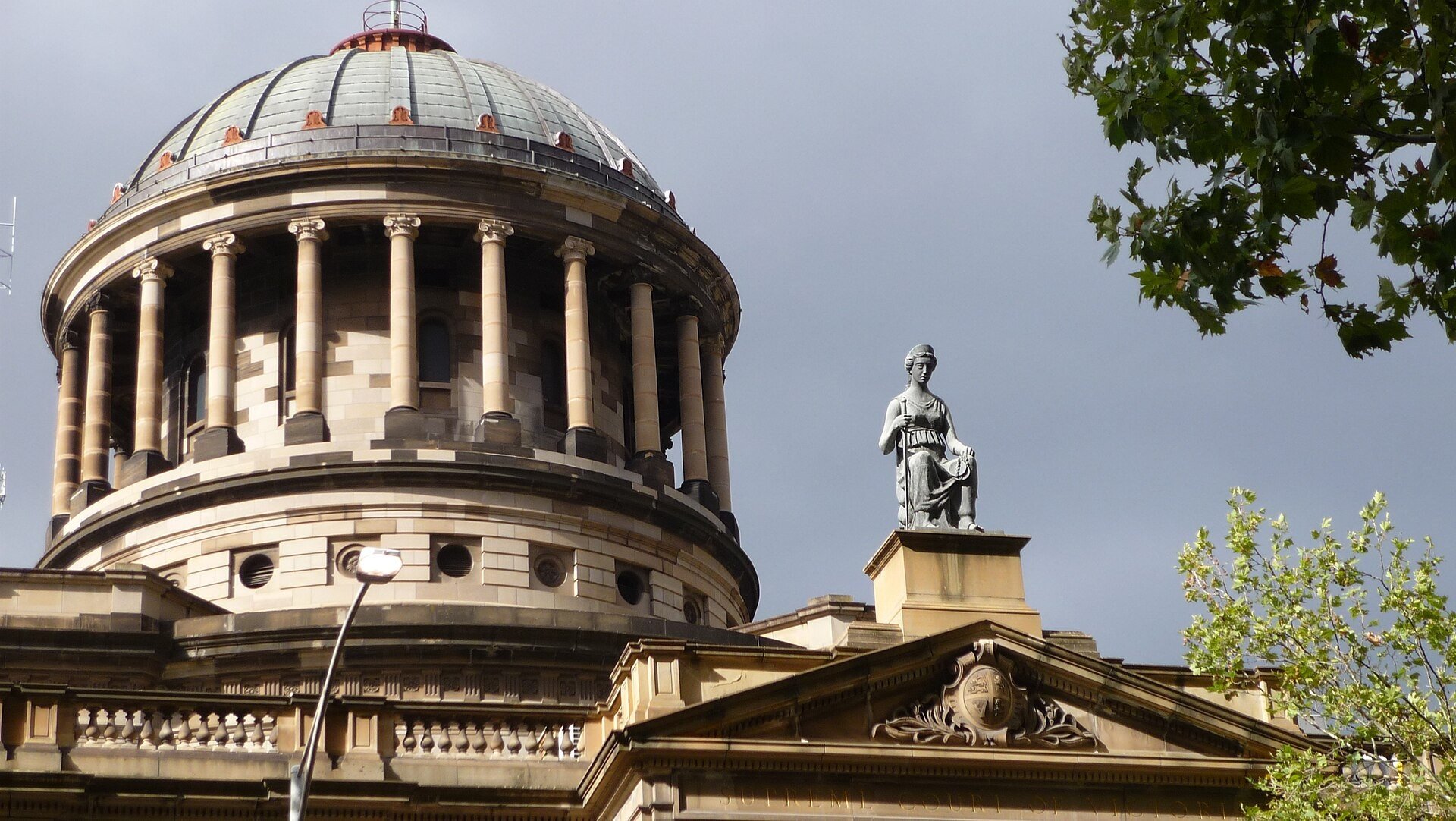
That scenario has now been shut down by Victoria’s highest court, days before the state heads to the polls. It is a rare and pointed legal rebuke that strikes at the core of how Australians decide who governs them.
The Supreme Court of Victoria has granted the Greens an injunction against Tosh-Jake Finnigan, an independent contesting the seat of Prahran. The court has ordered Finnigan to stop distributing how-to-vote material that mimics the minor party’s branding.
The Greens argued the cards used the same colours and font as their own official material. Yet they directed preferences firmly away from the party, placing the Greens at the very bottom of the ballot.
The ruling went the Greens’ way. The party said it welcomed the strong stand, which it argued had prevented voters from being deceived or misled.
Finnigan’s Facebook page describes them as a ‘Green independent’ for Prahran, a label likely to sharpen scrutiny of the episode. Finnigan has been approached for comment.
In an unusual step, the Victorian Electoral Commission appeared at the hearing after the court invited it to assist with its deliberations.
A commission spokesperson noted that electoral law prohibits distributing material that may mislead or deceive electors when casting their vote.
The spokesperson said the commission would study the judgment closely and consider how it might strengthen its own enforcement under section 84 of the Electoral Act 2002.
The stakes in Prahran are unusually high. The Greens once held the leafy inner-city electorate but lost it at a 2025 by-election, and they are fighting hard to reclaim it.
In tight inner-Melbourne contests, preference flows routinely decide the result. A few hundred misdirected votes can be enough to hand a seat to another party.
That is why how-to-vote cards, often dismissed as a dull ritual of election day, carry real weight. Many voters arrive undecided or unfamiliar with minor candidates and lean heavily on the material thrust into their hands at the school gate.
Disputes over lookalike campaign material are not new in Australian politics.
Allegations that candidates have dressed up their cards in rivals’ colours have surfaced in state and federal contests for years, usually ending in complaints that come too late to matter.
What makes this case different is its timing. The court intervened before the damage could be done, not after the count.
Analysis: What This Means for Australia
On the surface, this is a local squabble over colour schemes. Underneath, it exposes a weakness in how electoral rules are enforced across the country.
Electoral commissions have legal powers against misleading material, but they often move slowly. Election day leaves almost no room for drawn-out investigations, and deceptive material can do its work long before any finding is made.
This ruling suggests the courts may be willing to act quickly when a candidate’s material crosses the line.
That could set a precedent watched closely in other jurisdictions as preference deals grow more complex and the field of minor parties and independents keeps expanding.
For communities, the issue is trust.
A voter who discovers they were steered by a disguised card may lose faith not just in one candidate but in the Victorian election process itself.
In an era of rising cynicism and disinformation, that erosion carries a real social cost.
The same theme of institutional accountability ran through the wider campaign on Sunday, as the justice system became a central battleground ahead of the November 28 vote.
Opposition Leader Jess Wilson announced that a Coalition government would require Victoria’s Director of Public Prosecutions to appear before parliament each year. The DPP currently tables an annual report but does not have to front MPs in person.
Under the plan, the prosecutor would face questions about how decisions are made to lay criminal charges, when those charges are altered and when they are abandoned.
Ms Wilson stressed that the Office of Public Prosecutions would keep full independence over individual cases.
‘Victorians need and deserve a justice system that is transparent, accountable, and puts victims first,’ she said, adding that the DPP wields enormous powers and the public deserves confidence the system is working for them.
She chose a symbolic setting for the announcement: the annual march remembering Pat Cronin.
The 19-year-old was killed in 2016 after being punched in the head while trying to drag a friend away from a brawl outside a pub in Diamond Creek, in Melbourne’s north-east.
His grieving family later set up a foundation to teach young Australians about the devastating consequences of violence.
Ms Wilson claimed Victoria’s coward punch laws, introduced in 2014 with the promise of tougher penalties for one-punch killings, have rarely been used in prosecutions since.
That claim feeds directly into community anxiety about crime and whether the laws are delivering on their promise.
Labor answered with funding.
It pledged almost $450,000 to the Pat Cronin Foundation if re-elected, saying the money would help the organisation reach more schools, sporting clubs, workplaces and community groups.
Legal observers say the Prahran ruling may embolden electoral regulators nationwide. They argue a court acting before votes are cast sends a far stronger deterrent message than any fine handed down months later.
Political analysts believe parties will now scrutinise rival campaign material more aggressively. They expect more pre-emptive legal challenges in marginal seats, where preferences can decide the outcome.
Justice sector insiders caution that forcing the DPP to appear before parliament must be handled carefully. They warn the line between legitimate scrutiny and political pressure on prosecutors can be thin, especially in high-profile cases.
Community advocates say the true test for both major parties will come after polling day. They argue that grieving families like the Cronins will judge parties by whether these promises are kept, long after the campaign ends.