
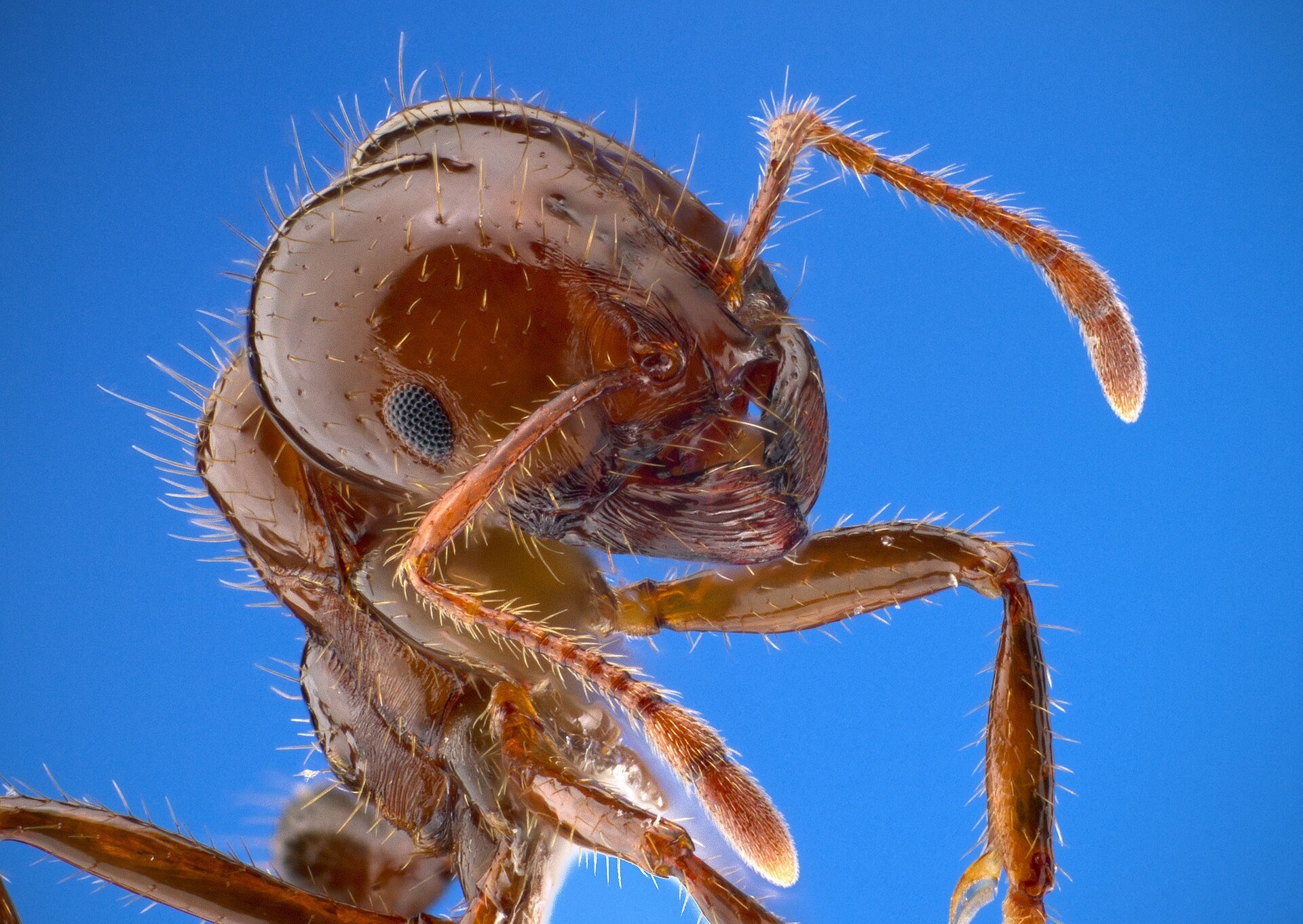
‘Very Different to Anything We’ve Seen’: Sydney’s Fire Ant Nightmare Deepens as More Aggressive Multi-Queen Invader Is Found Tunnelling Beneath Auburn
- Scientists believe a second, more dangerous type of fire ant has invaded Sydney, one that tunnels, travels and breeds with multiple queens.
- A sprawling network of underground tunnels and mound after mound has been uncovered in Auburn, well beyond the first outbreak site.
- Agriculture Minister Tara Moriarty concedes the crisis is far worse than first thought and is demanding urgent federal help at Port Botany.
- Residents are being told to watch where they step, with people who react badly to bee stings urged to take particular care.
Beneath the suburban soil of western Sydney, an invasion has been quietly spreading.
It moves through hidden tunnels. It builds mound upon mound.
And according to the scientists now racing to contain it, it may be unlike anything Australia has faced before.
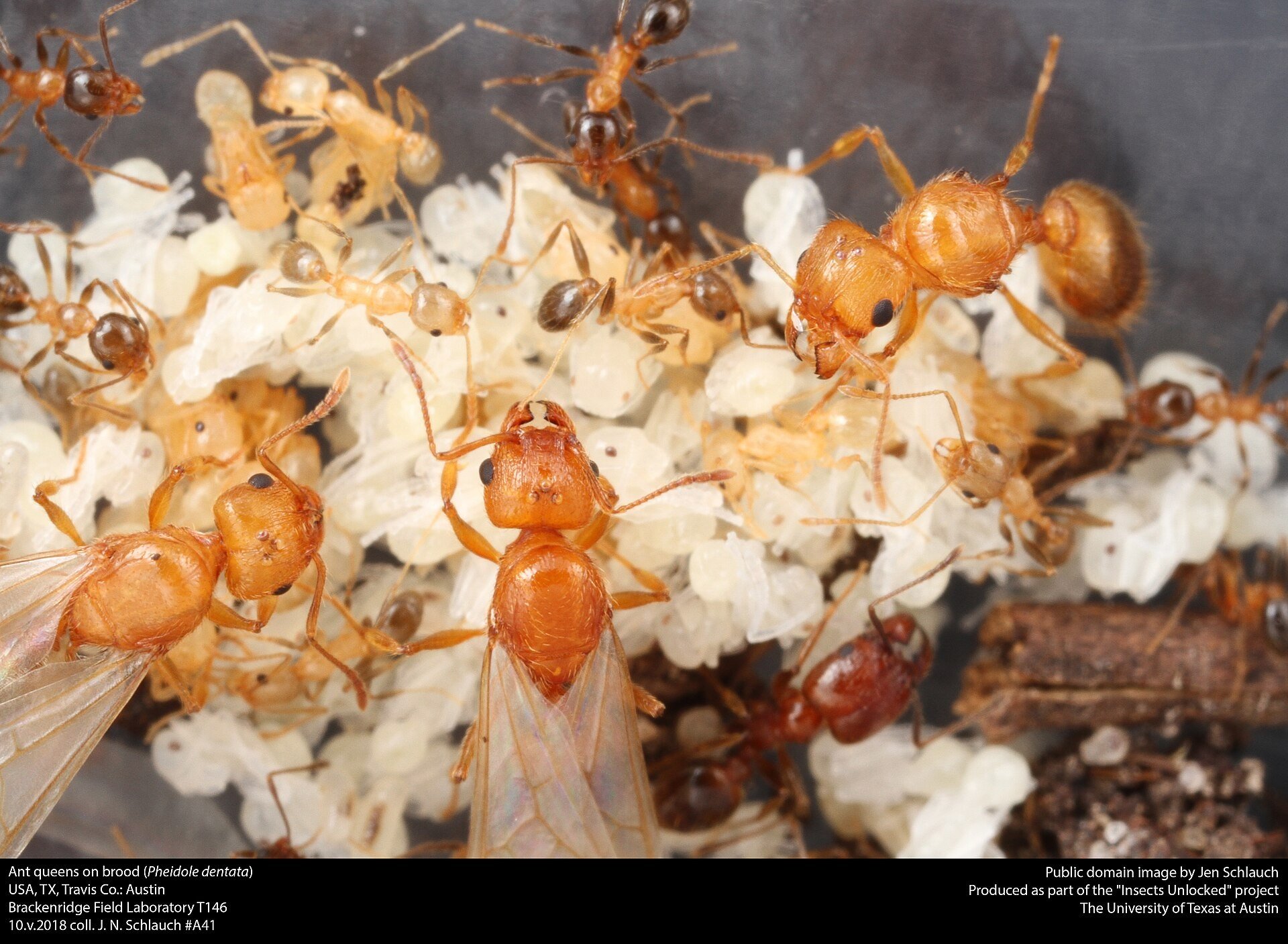
The discovery that a second, more aggressive type of fire ant has established itself in Auburn has turned a worrying biosecurity incident into a full-blown emergency.
It raises a troubling question: how did one of the world’s most destructive invasive pests get past the nation’s borders again?
On Tuesday, NSW Agriculture Minister Tara Moriarty went to the Auburn infestation, where crews were pumping pesticide deep into the ground in a desperate attempt to stop the colonies spreading further.
Her assessment was blunt. She said the spread was regrettable but no surprise, and admitted the situation was considerably more serious than authorities had first believed.
She went further, saying the outbreak appeared to be very different from anything previously seen in Australia.
The alarm stems from a stark contrast with the original detection at Strathfield South. There, biosecurity teams found and destroyed a single nest ruled by a single queen, a contained and manageable threat.
Auburn is a different story.
Scientists now suspect the colonies there belong to a type far more inclined to tunnel and travel, with numerous queens jostling to establish new colonies of their own.
That detail changes everything. A single-queen nest can be eliminated in one strike.
A colony with many queens is a moving target.
NSW biosecurity chief Lisa Szabor cautioned that nests with several queens are a more serious threat. She explained that while the queens may cluster together for a time, eventually they will push outwards to expand their territory.
Ms Moriarty acknowledged authorities may need to rethink their tactics entirely.
Meanwhile, NSW Premier Chris Minns said experts were working to trace the ants’ genetic lineage, hoping to pinpoint where they came from and how they reached Australia, information considered vital to stopping the next incursion.
Australia’s battle with fire ants is not new. Red imported fire ants were first detected in Brisbane in 2001, sparking one of the most expensive biosecurity campaigns in the nation’s history.
More than two decades later, the pest has not been eradicated, and in recent years detections in northern NSW have shown the ants creeping steadily south.
Originally native to South America, fire ants have wreaked havoc across the United States and other nations, destroying crops, damaging electrical infrastructure, killing native wildlife and rendering backyards, parks and sporting fields unusable.
Their stings deliver a burning venom. For most people the result is painful pustules.
For those prone to severe allergic reactions, the consequences can be life-threatening.
That a new outbreak has surfaced in the heart of Sydney, hundreds of kilometres from the known front line, points not to natural spread but to fresh arrivals, almost certainly through the freight and shipping networks that keep the city’s economy moving.
Analysis: What This Means for Australia
This is, at its core, a border failure.
Biosecurity is frequently described as a pillar of national security, and for good reason. Australia’s agricultural sector, its unique ecosystems and its outdoor way of life all depend on keeping invasive species out.
When a pest of this calibre slips through not once but potentially twice, the integrity of the entire system comes under scrutiny.
Ms Moriarty has called on the federal government to commit more resources, beginning with stronger surveillance at the Port Botany container terminal, one of the country’s busiest gateways for international cargo.
The request is pointed. Border inspection is a Commonwealth responsibility, and the clean-up is landing on the state.
For law enforcement and biosecurity agencies, the shift to a multi-queen species means longer campaigns, wider treatment zones and more intensive monitoring. Eradication efforts that once targeted a single nest may now have to cover entire neighbourhoods.
The community toll could be heavy. Auburn and surrounding suburbs are densely populated, with families, schools and parks in close proximity.
Residents face the prospect of movement restrictions on soil, mulch and turf, and the constant unease of knowing a stinging pest could be lurking underfoot.
Economically, the stakes are enormous.
Fire ants threaten agriculture, construction and landscaping industries, and research cited by the Invasive Species Council has warned that failing to stop them could cost the nation billions of dollars every year.
Trade partners also watch closely; a pest that spreads unchecked can complicate exports.
Security analysts say the Auburn outbreak should serve as a wake-up call about the vulnerability of Australia’s ports. They argue that container volumes have grown far faster than inspection capacity, leaving gaps that hitchhiking pests can exploit.
Biosecurity insiders warn that multi-queen colonies are notoriously difficult to wipe out because a surviving queen can rebuild a colony from scratch. They believe repeated treatment over an extended period will likely be needed, along with intensive surveillance well beyond the visible mounds.
Industry observers believe the genetic tracing work flagged by Mr Minns could prove decisive.
If scientists can identify the ants’ origin, authorities may be able to target specific shipping routes or cargo types for tougher checks, closing the door before the next colony arrives.
Others argue the dispute over funding between Macquarie Street and Canberra must be resolved quickly. Every week lost, they warn, gives the queens more time to spread.
For now, the message to Sydneysiders is simple. Authorities are urging anyone who spots suspected fire ants or unusual mounds to report them immediately to the NSW Department of Primary Industries.
Watch where you walk, keep children and pets away from suspicious nests, and if you have ever reacted badly to a bee sting, be especially vigilant.
The fight beneath Auburn has only just begun.