Fuel Frenzy: Desperate Australians Stockpile Petrol as Supply Crisis Looms, Expert Warn of “Crisis-Level” Economic Consequences
- Viral footage shows a motorist stockpiling petrol at a Gold Coast service station, sparking outrage and concern over Australia’s fuel supply.
- Experts warn that panic buying is driven by perception and expectation rather than actual shortages, with the Federal Government’s assurances doing little to quell fears.
- The economic consequences of fuel shortages could be “significant”, with economists warning of a potential crisis-level fiscal and monetary response to support the economy.
A viral video has captured the desperation of Australians as they resort to stockpiling petrol amid a looming supply crisis. The footage, taken by social media prankster Willem Ungermann, shows a motorist filling up multiple jerry cans of fuel at a Tweed Heads service station.
The man’s car boot is packed with petrol-filled cans, water containers, and metal canisters, sparking outrage and concern over the country’s fuel supply.
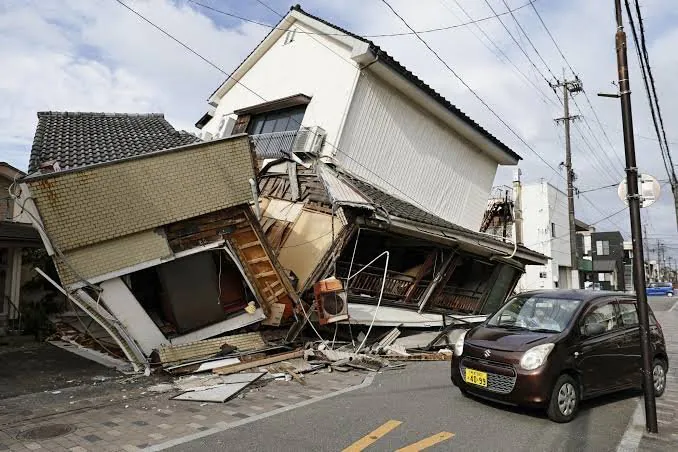
The incident has sparked a national conversation about the country’s preparedness for a potential fuel shortage. Despite the Federal Government’s assurances that Australia’s fuel supply is secure, panic buying has reached alarming levels.
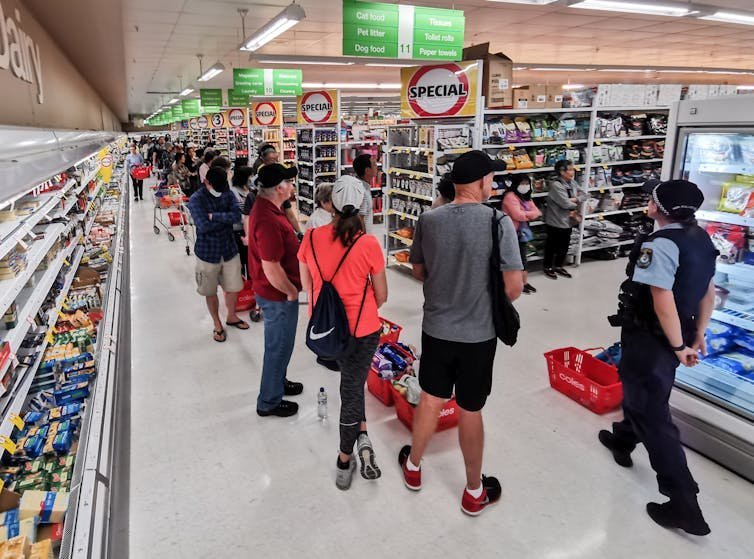
UNSW Business School experts say that people are stockpiling fuel because they don’t know what’s happening and are trying to protect themselves from uncertainty.
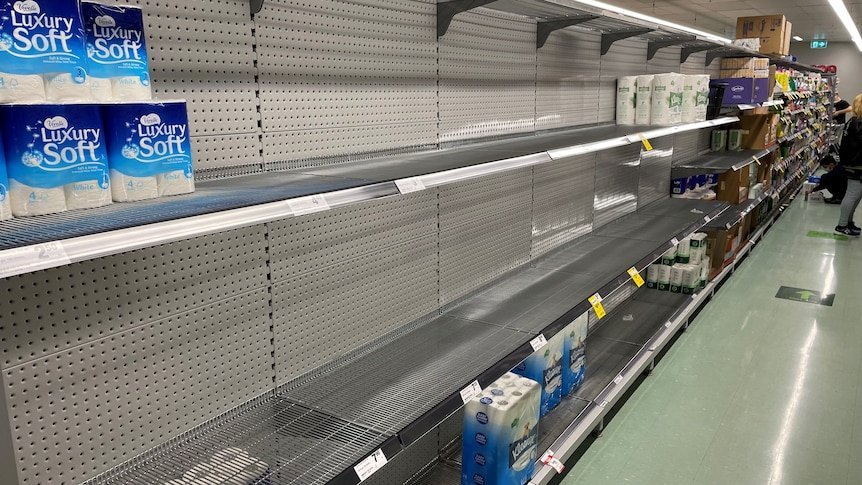
The current wave of panic buying is being driven more by perception and expectation than actual shortages, unlike during the pandemic.



According to UNSW School of Marketing’s Professor Nitika Garg, people are doing this because they don’t know how the whole thing is going to play out, and given that uncertainty, they just try to protect themselves from it.
Australia’s sensitivity to global events and local impact is also a contributing factor.
As Dr Timothy Neal, senior lecturer in the UNSW School of Economics, explained, people consume the news, but how they connect that to their consumer behaviour often depends on interpretation or analysis from others.
The media and/or social media play a very large role in shaping public perception and driving panic buying.
Once consumers see others stocking up, the behaviour can escalate quickly. “The more essential a commodity is perceived to be, from the consumer perspective, the more fearful they will be,” Prof Garg said.
Dr Neal agreed, adding that all that you need for panic buying to be considered rational is to believe that other people are going to be panicking.
Two factors are driving the petrol panic: fear of diminishing supply and the skyrocketing price of fuel, which has reached almost $3 a litre at some stations in Sydney and Melbourne.
If people expect the price to go up, they’re incentivised to stock up now.
Head of Master Builders Australia Denita Wawn warned that the construction industry is concerned that the longer this goes, the longer the tail will be, and economists at Barrenjoey Capital Partners warned of significant economic consequences.
Analysis: What This Means for Australia
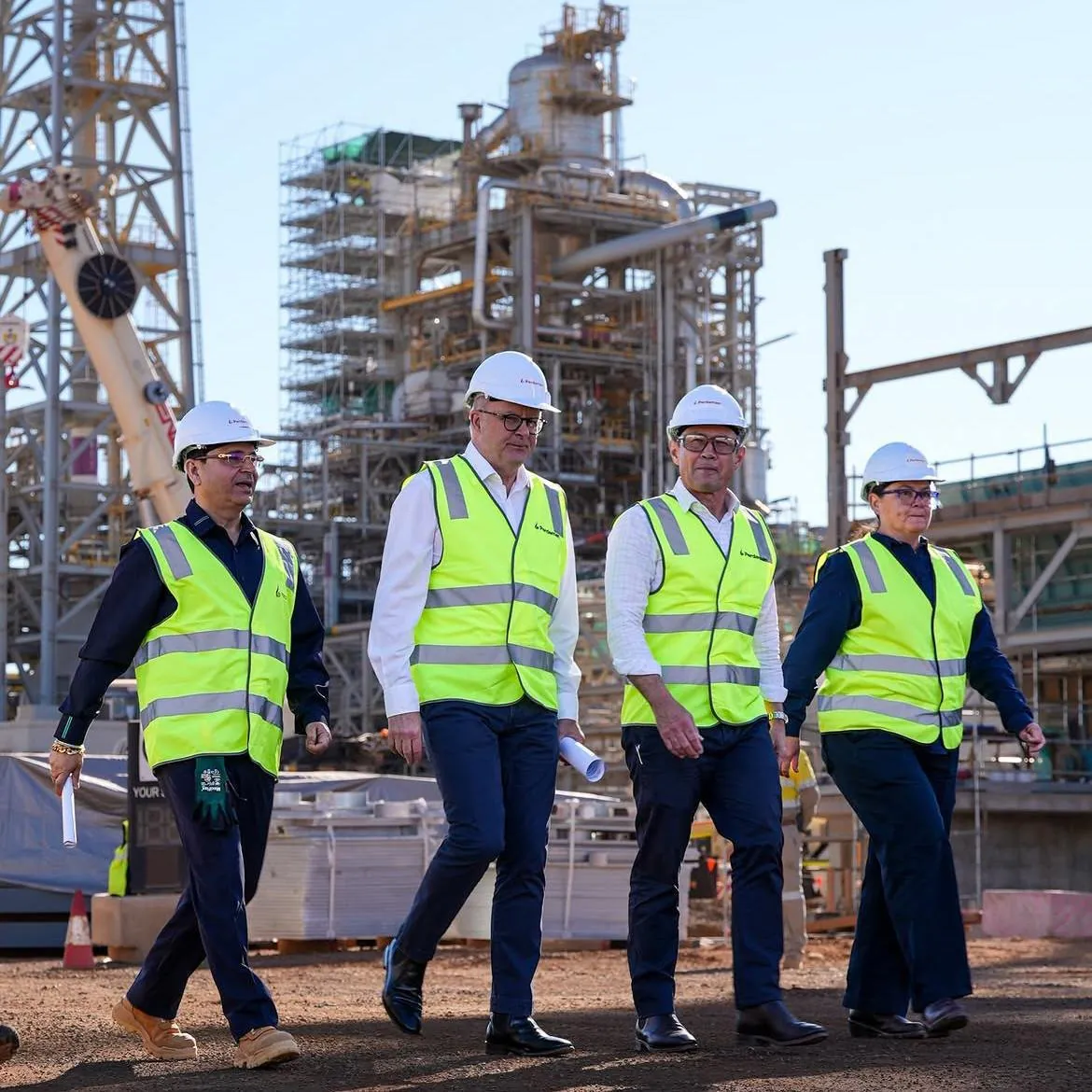
The fuel supply crisis has sparked a national emergency, with Prime Minister Anthony Albanese holding a snap national cabinet meeting with state and territory leaders to consider the implementation of new emergency measures to conserve Australia’s reserve.
This includes carpooling, working from home when possible, and public transport discounts. Security analysts say that the government’s response will be critical in mitigating the impact of the crisis.
Law enforcement insiders warn that the crisis could lead to civil unrest and social disorder if not handled properly.
Industry observers believe that the crisis will have a significant impact on Australian communities and public safety. The economic consequences of fuel shortages could be devastating, with potential crisis-level fiscal and monetary responses required to support the economy.
The government’s decision to implement emergency measures will be critical in preventing widespread panic and ensuring the stability of the country.
As the situation unfolds, one thing is clear: Australia is on high alert, and the government’s response will be critical in determining the outcome of this crisis.
Will the Prime Minister take drastic measures to conserve fuel and prevent panic buying, or will the country be plunged into chaos? Only time will tell.