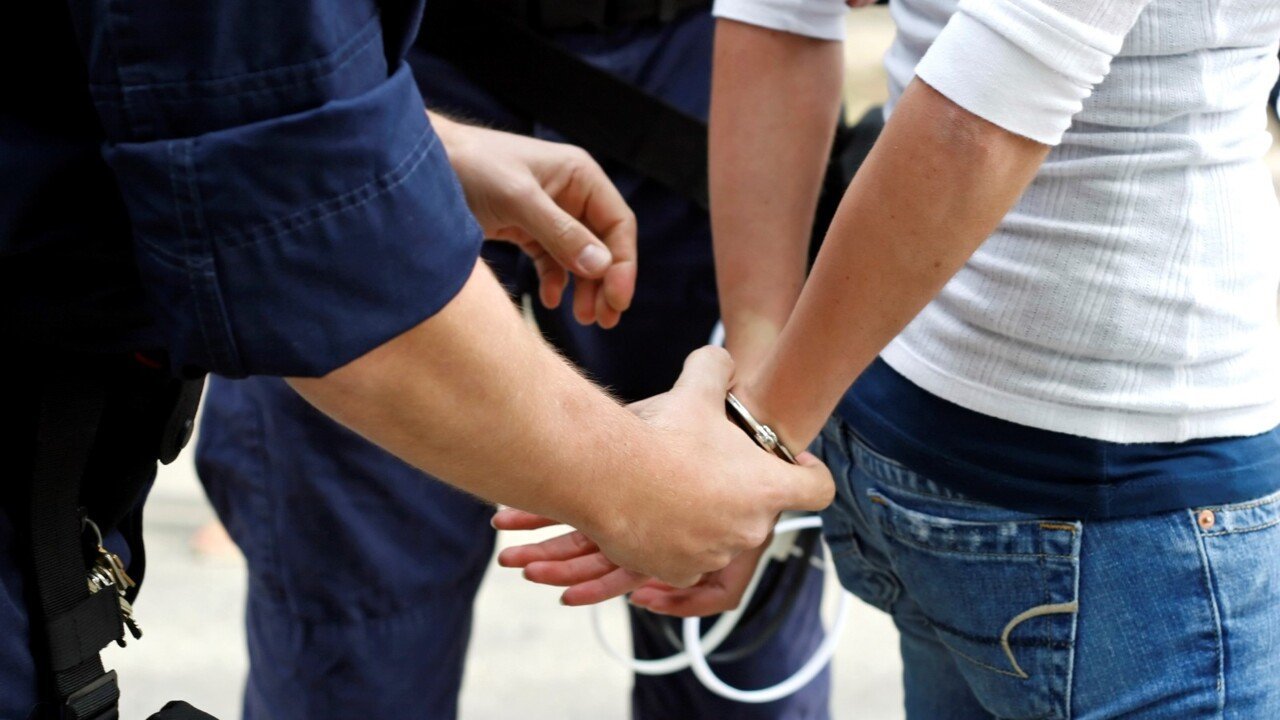
Shocking New Data Reveals Australia’s Hidden Epidemic: 400,000 Victims of Physical Assault in Just 12 Months
- Almost 400,000 Australians, or 1.8% of the population, experienced physical assault in the last year, equivalent to over 1,000 incidents every day.
- Women are more likely to be assaulted by a family member, intimate partner, or known person, while men are more likely to be assaulted by a stranger.
- The majority of physical assaults occur at residential locations, with women more likely to be assaulted at home and men more likely to be assaulted in non-residential areas.
The Australian Bureau of Statistics (ABS) has released shocking new data on rates of crime victimisation across Australia, revealing a hidden epidemic of physical assault. In the last 12 months, an estimated 395,100 people experienced physical assault, equivalent to over 1,000 incidents every day.
This represents 1.8% of the Australian population, with women and men affected in different ways.
The ABS surveyed over 25,000 people across Australia to obtain the latest crime victimisation rates.

The data reveals that women were more likely to be assaulted by a family member, intimate partner, or known person, while men were more likely to be assaulted by a stranger.
This trend is consistent with previous years, with women more likely to experience physical assault from someone they know, rather than a stranger.



According to the ABS, 210,000 men and 180,000 women reported experiencing physical assault in the last year.
The data also shows that 49% of those who experienced physical assault reported two or more incidents in the last year, with only 56% reporting the most recent incident to the police.
Perpetrators were more commonly male, with 80.2% of male victims and 81.1% of female victims reporting their attacker was male.
The ABS head of crime statistics, William Milne, highlighted the key differences in how men and women experience physical assault. “Females are more likely to experience more than one incident of physical assault in the last 12 months,” he said.
“That’s about 56% for females to about 44% for males.” Mr. Milne also noted that while physical assaults were similar across males and females, the context of the assaults differed significantly.
Analysis: What This Means for Australia
The data has significant implications for national security and law enforcement in Australia. The high rate of physical assaults, particularly against women, highlights the need for increased support services and more effective policing strategies.
The fact that many assaults are committed by family members or known persons also raises questions about community safety and the need for more effective interventions.
Security analysts say that the data underscores the need for a more comprehensive approach to addressing violence against women and children.
“The fact that women are more likely to be assaulted by someone they know highlights the need for more effective support services and community-based interventions,” said one analyst.
“We need to address the root causes of violence and provide more support for victims.”
The data also has economic implications, with the cost of physical assault estimated to be in the billions.
The impact on victims, their families, and the broader community is significant, with long-term effects on mental and physical health, as well as productivity and economic output.
Industry observers believe that the data highlights the need for more effective crime prevention strategies and more investment in support services.
“The fact that many assaults are committed by family members or known persons suggests that we need to focus on early intervention and prevention,” said one observer.
“We need to invest more in support services and community-based programs that address the root causes of violence.”
The ABS data is a wake-up call for Australia, highlighting the need for a more comprehensive approach to addressing physical assault and violence. The government, law enforcement, and community organisations must work together to address the root causes of violence and provide more effective support services for victims.