Israel Vows to ‘Escalate and Expand’ Attacks on Iran as Trump Claims Progress in Ceasefire Talks
- Israel threatens to intensify its strikes on Iran, despite US President Donald Trump’s claims of progress in ceasefire talks
- Tensions soar as Iran refuses to back down, ordering thousands more troops to the region and rejecting a 15-point US proposal for a ceasefire
- Global markets reel as the conflict extends beyond the Middle East, with oil prices surging and stock markets plummeting
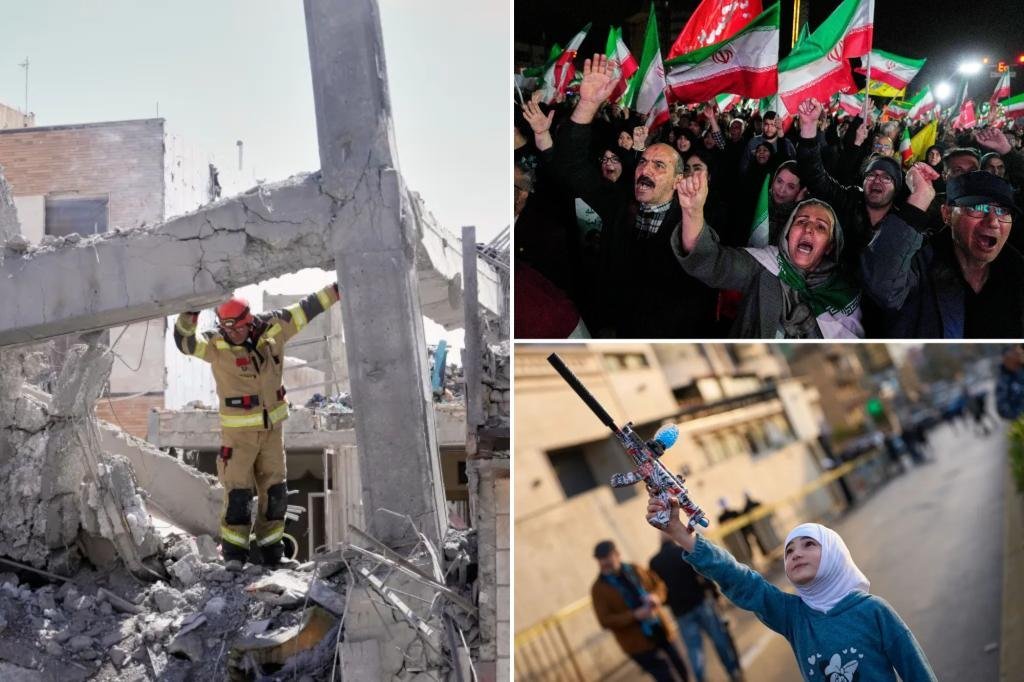
Israel has warned that it will “escalate and expand” its attacks on Iran, ratcheting up the stakes in a conflict that has already sent shockwaves through global markets and claimed hundreds of lives.
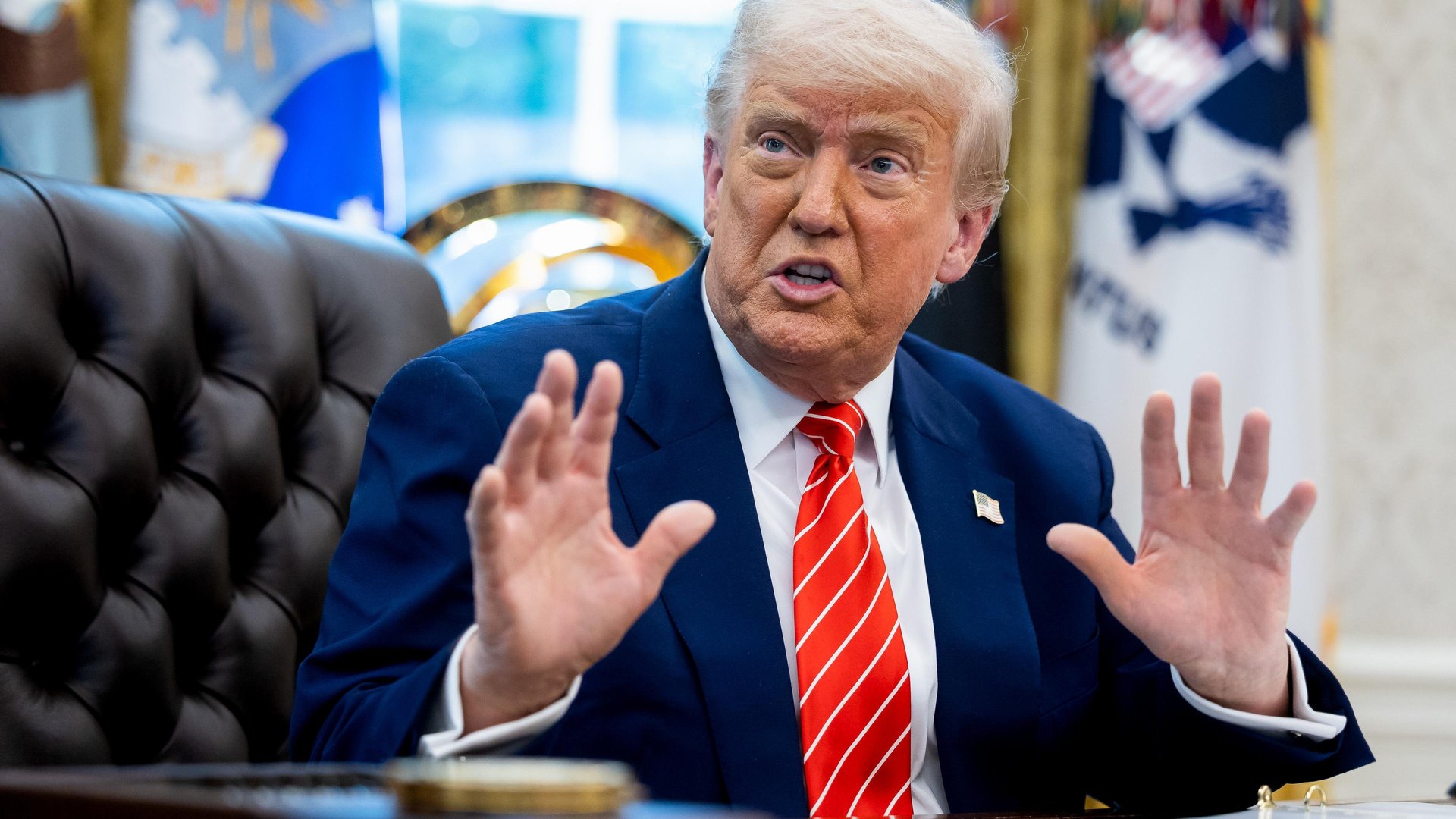
The threat comes despite US President Donald Trump’s claims of progress in ceasefire talks, which have been met with skepticism by Iran.
The Israeli Defence Minister, Israel Katz, vowed that Iran “will pay heavy, increasing prices for this war crime” as air raid sirens sounded in Israel and the military intercepted Iranian missiles on a daily basis.
Katz warned that attacks on Iran would target additional areas and sites that assist the regime in building and operating weapons against Israeli citizens.
The conflict has already had far-reaching consequences, with the Strait of Hormuz – a strategic waterway through which a fifth of the world’s oil is shipped – closed by Iran.



The move has sent oil prices soaring, with Brent crude reaching $107 a barrel in morning trading, up more than 45% since the conflict began.
The global economy is also feeling the pinch, with stock markets plummeting and the US experiencing its longest losing streak in nearly four years. Asian shares have also fallen, and the UN has warned of a potential humanitarian disaster if the conflict continues.
Despite the growing pressure, Iran has shown no signs of backing down, ordering thousands more troops to the region and rejecting a 15-point US proposal for a ceasefire.
The proposal, which includes relinquishing control of the Strait of Hormuz, has been met with defiance by Iran, which has instead presented its own five-point proposal that includes reparations and recognition of its sovereignty over the vital waterway.
Analysis: What This Means for Australia
The conflict has significant implications for Australia, which relies heavily on Middle Eastern oil. The closure of the Strait of Hormuz has already sent oil prices soaring, and a prolonged conflict could lead to a global energy crisis.
Additionally, the conflict has the potential to destabilize the region, posing a threat to Australian national security and economic interests.
Security analysts say that the conflict highlights the need for Australia to diversify its energy sources and reduce its reliance on Middle Eastern oil.
Law enforcement insiders warn that the conflict could also lead to an increase in terrorist activity in the region, posing a threat to Australian citizens and interests.
Industry observers believe that the conflict could have a significant impact on the Australian economy, particularly if it leads to a global energy crisis. They warn that the government must take steps to mitigate the impact of the conflict and ensure that Australia is prepared for any eventuality.