Billions in Unexpected Tax Windfall from Iran War to Be Used to Pay Down Australia’s Soaring Debt as Cost-of-Living Crisis Continues to Bite
- The Albanese government is set to reap a windfall of billions in extra tax revenue driven by the Iran war, but it won’t be used to ease the cost-of-living crisis.
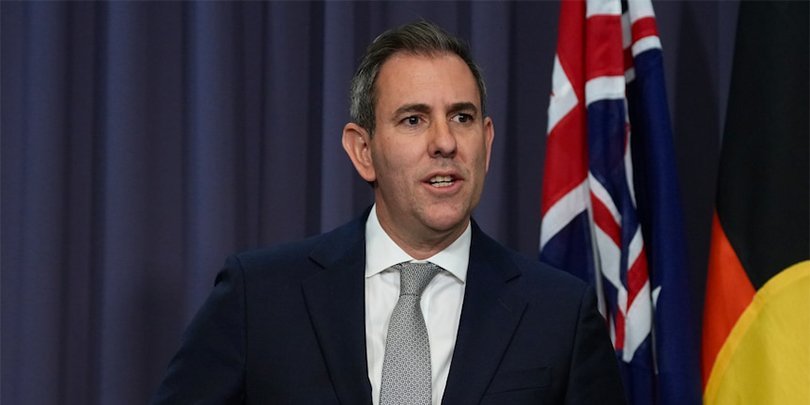
- Instead, Treasurer Jim Chalmers has confirmed the money will be used to pay down the nation’s debt, forecast to reach a trillion dollars next financial year.
- The budget, to be handed down on May 12, is expected to be the government’s most “responsible” yet, with a focus on debt reduction and restraint.
- Despite the tax windfall, the government is warning of little relief for households struggling with inflation, which is running at 4.6 per cent and above target.
The Albanese government is bracing for a significant tax revenue boost driven by the Iran war, but it’s not going to be the silver bullet many Australians were hoping for.
Treasurer Jim Chalmers has made it clear that the extra money will be used to pay down the nation’s debt, which is forecast to reach a staggering trillion dollars next financial year.
As the government prepares to hand down its budget on May 12, Chalmers is managing expectations of major cost-of-living relief. The budget is expected to be the government’s most “responsible” yet, with a focus on debt reduction and restraint.
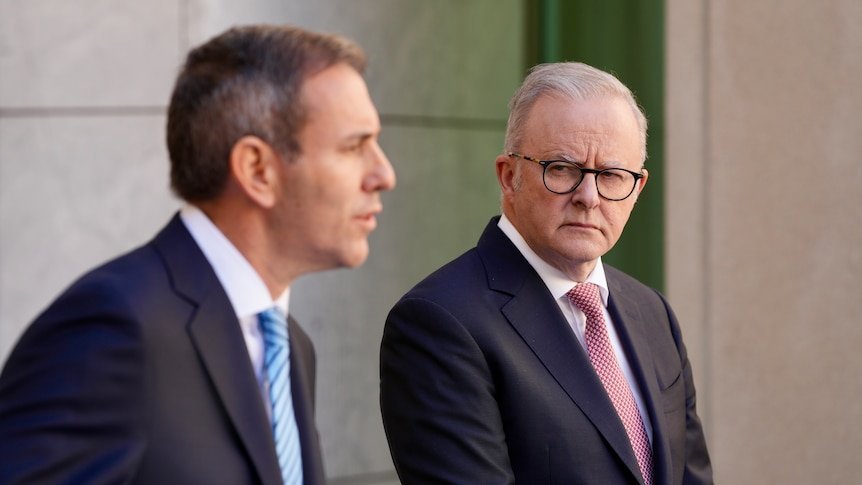
The Treasurer has rebuffed estimates by economists of tens of billions more revenue over the next four years, saying “nobody should anticipate a big upward revision”, and some years will be worse.
The extra tax revenue generated by the Iran war will be saved in its entirety, with savings measures, including a $35 billion belt-tightening on the National Disability Insurance Scheme, also going to paying down debt.



The government is expecting a small revenue boon driven by higher inflation and commodity prices in the near term, but Treasury is also forecasting downgrades in some years.
Analysis: What This Means for Australia.
The decision to use the tax windfall to pay down debt is a clear indication of the government’s priorities. With inflation running too hot and the cost-of-living crisis continuing to bite, the government is taking a cautious approach.
But this means that households struggling to make ends meet will have to wait even longer for relief.
Security analysts say the government’s decision to prioritize debt reduction over cost-of-living relief is a sign of the times. “The government is playing it safe, but this means that the cost-of-living crisis will continue to worsen,” one analyst said.
“The question is, how long can the government keep kicking the can down the road before something has to give?”
Industry observers believe the government’s decision will have significant implications for the economy. “The government is sending a clear message that it’s committed to fiscal responsibility, but this comes at a cost,” one observer said.
“The cost-of-living crisis is real, and it’s not going away anytime soon.”
As the government prepares to hand down its budget, Shadow Treasurer Tim Wilson is expected to take the extraordinary step of accusing the government of intentionally fuelling inflation.
“Inflation is not a bug in the economy Labor built, it is a design feature: a deliberate cycle to fuel the inflation, tax the inflation, spend the inflation, to fuel the inflation,” Wilson is expected to say.
The average worker has lost about $1,000 in annual purchasing power due to lower real wages since 2022, and $2,000 due to bracket creep, where higher wages lead to an overall higher tax rate, but increased costs ultimately leave workers with less disposable income.
Combined with higher interest payments since the Coalition was last in office, Wilson estimates the average couple with a mortgage of about $736,000 has lost $30,000 in real purchasing power since 2022.